Last Updated on March 26, 2026 by Rosslyn Tebbutt
Aquascaping is more than just a hobby; it’s an art form that transforms aquariums into living works of art; Aquascape.
For those who love the serenity of aquatic life combined with the creativity of design, aquascaping offers a rewarding and visually stunning pastime.
Whether you’re a beginner or looking to refine your skills, this guide will help you start your journey into the fascinating world of aquascaping.


What Is Aquascaping?
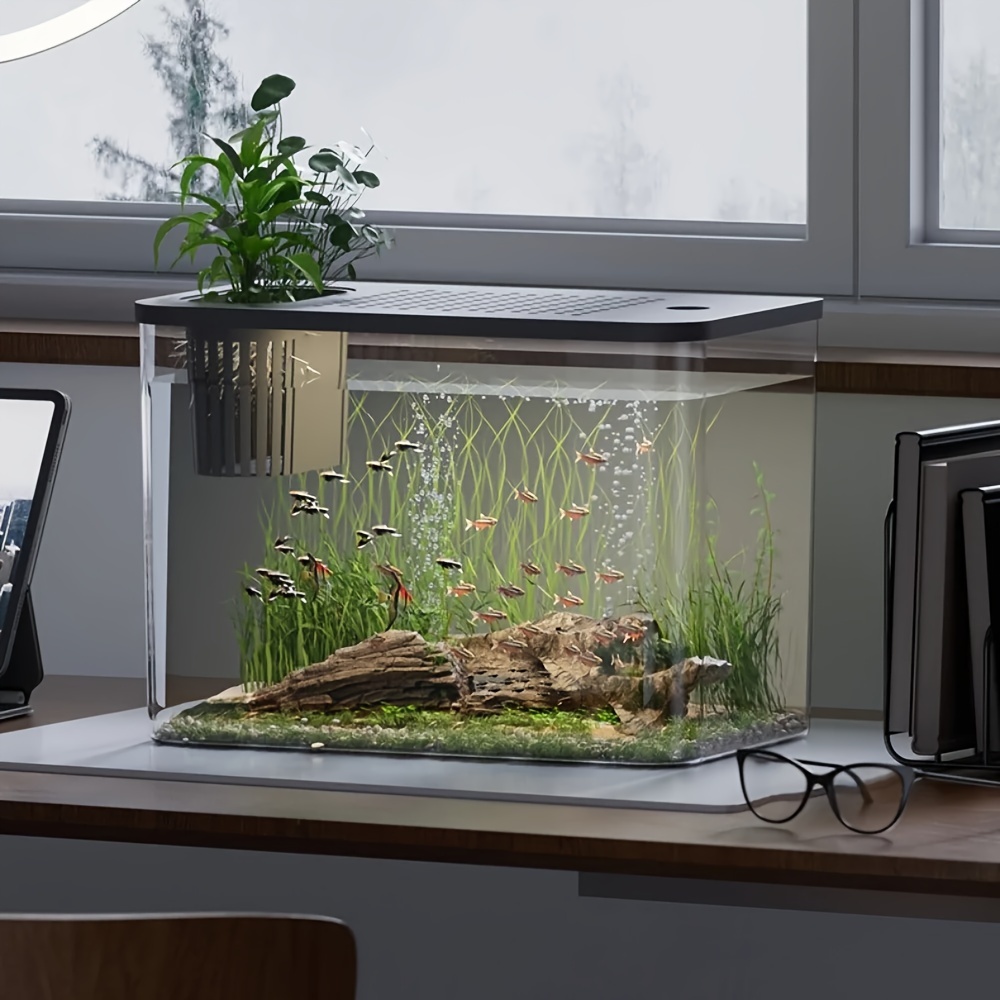
Aquascaping involves the design and arrangement of aquatic plants, rocks, driftwood, and other natural elements within an aquarium.
The goal is to create a harmonious, natural environment miming underwater landscapes such as rivers, lakes, and coral reefs.
It’s not just about aesthetics; aquascaping also focuses on maintaining a healthy ecosystem for the aquatic life within.


Benefits of Aquascaping
- Stress Relief: Watching a beautifully designed aquascape can be incredibly calming.
- Creative Outlet: Aquascaping allows for endless creativity and personal expression.
- Improved Aquarium Health: Proper aquascaping promotes a balanced ecosystem, reducing algae growth and supporting fish health.
- Educational Value: It’s an excellent way to learn about aquatic plants, water chemistry, and ecosystems.


Essential Tools and Supplies
Before you start, gather the necessary tools and supplies to set up your aquascape.
Here’s what you’ll need:
Aquarium
Choose a tank size that fits your space and budget.
A 20-gallon tank is ideal for beginners, offering enough room for creativity without being overwhelming to maintain.
Substrate
Select a suitable substrate to anchor plants and enhance aesthetics.
Popular options include nutrient-rich soil, sand, or fine gravel.
Lighting
Proper lighting is essential for plant growth.
LED aquarium lights are energy-efficient and provide the full spectrum of light needed for photosynthesis.
Filtration System
A sound filtration system maintains water quality and supports the health of your aquatic life.
CO2 System
A CO2 injection system promotes healthy plant growth for a heavily planted tank.
For beginners, liquid CO2 supplements can also work.
Aquascaping Tools
Invest in aquascaping tools such as planting tweezers, scissors, and a substrate spatula to make detailed work easier.
Hardscape Materials
Rocks, driftwood, and other hardscape materials form the backbone of your aquascape design.
Choose natural, aquarium-safe items.
Aquatic Plants
Start with hardy, low-maintenance plants like Java Fern, Anubias, and Amazon Swords if you’re new to aquascaping.
Fish and Invertebrates
Once your aquascape is established, add compatible fish and invertebrates that thrive in your specific setup.


Planning Your Aquascape
Choose a Style
There are several popular aquascaping styles to choose from:
- Nature Aquarium: Mimics natural landscapes with a balanced mix of plants and hardscape elements.
- Iwagumi: Focuses on simplicity with a minimalist rock layout.
- Dutch Style: Features dense, colorful plant arrangements without hardscape materials.
- Biotope: Replicates a specific natural environment.
Sketch Your Design
Before adding anything to your tank, sketch your design on paper.
This helps you visualize the layout and ensures a balanced composition.
Consider the Rule of Thirds
Use the rule of thirds to create focal points within your aquascape.
Divide your tank into a 3×3 grid and place key elements at the intersections.
Balance Height and Depth
Layer plants and hardscape materials to create a sense of depth and height.
Use taller plants and larger rocks at the back, with smaller elements in the foreground.


Setting Up Your Aquascape
Step 1: Prepare the Tank
Clean your tank thoroughly to remove any dust or debris. Avoid using soap or chemicals; instead, rinse with water.
Step 2: Add the Substrate
Spread the substrate evenly, creating slopes or contours as per your design.
A thicker substrate layer in the back can enhance the sense of depth.
Step 3: Arrange Hardscape Materials
Position your rocks, driftwood, and other hardscape items.
Experiment with different layouts to find the most visually appealing arrangement.
Step 4: Plant Your Aquarium
Using planting tweezers, carefully place your aquatic plants into the substrate.
Anchor root systems firmly and ensure plants are spaced appropriately for growth.
Step 5: Fill the Tank with Water
Slowly fill your tank with dechlorinated water to avoid disturbing the substrate and plants.
Use a plate or bowl to diffuse the water flow.
Step 6: Install Equipment
Set up your filtration system, lighting, and CO2 system.
Ensure all equipment is functioning properly before proceeding.
Step 7: Cycle Your Tank
Allow your tank to cycle for 2-4 weeks before adding fish.
This process establishes beneficial bacteria that maintain water quality.


Maintaining Your Aquascape
Regular Water Changes
Perform weekly water changes of 25-30% to maintain water quality.
Prune Plants
Trim overgrown plants regularly to maintain the intended design and promote healthy growth.
Monitor Water Parameters
Test water for pH, ammonia, nitrite, and nitrate levels. Adjust as needed to keep your tank’s ecosystem balanced.
Clean Equipment
Rinse filters and other equipment periodically to prevent buildup and ensure efficiency.


Troubleshooting Common Issues
Algae Growth
Reduce lighting duration, improve water circulation, and avoid overfeeding fish to combat algae.
Plant Melting
This occurs when plants adjust to a new environment. Remove dead leaves and provide proper nutrients to support recovery.
Cloudy Water
Cloudiness often occurs during the cycling process. Patience and regular water changes will resolve this.
Unhealthy Fish
Ensure water parameters are within acceptable ranges and avoid overcrowding your tank.

Conclusion: Tips for Success
- Start small: Choose a manageable tank size and simple design for your first aquascape.
- Research: Learn about the specific needs of your plants and aquatic life.
- Be patient: Aquascaping requires time and regular maintenance to achieve stunning results.
- Join a community: Engage with aquascaping forums and social media groups for inspiration and support.
Creating an aquascape is a rewarding journey that combines science, art, and a passion for nature.
With the right tools, knowledge, and patience, you can craft a beautiful underwater landscape that brings joy and tranquility to your home.