Last Updated on August 11, 2026 by Rosslyn Tebbutt
Selling a home isn’t just a financial transaction—it’s a presentation. The moment potential buyers walk through the door, they begin forming an opinion based on what they see, feel, and imagine.
And while location, size, and condition all matter, it’s often the interior design that leaves the most lasting impression.
Good design helps buyers picture themselves living in the home. It highlights the strengths of each room, creates a sense of warmth, and reduces visual noise that might distract or discourage.
The goal is to evoke an emotional connection—to make people feel like they’ve already arrived at their next chapter.
Even small, strategic changes in layout, color, and style can significantly speed up the selling process and increase perceived value.

#1 The Power of Neutral and Timeless Palettes
Color has a profound impact on how we interpret a space. While you may love bold feature walls or vibrant accent pieces, they don’t always translate well to the general market.
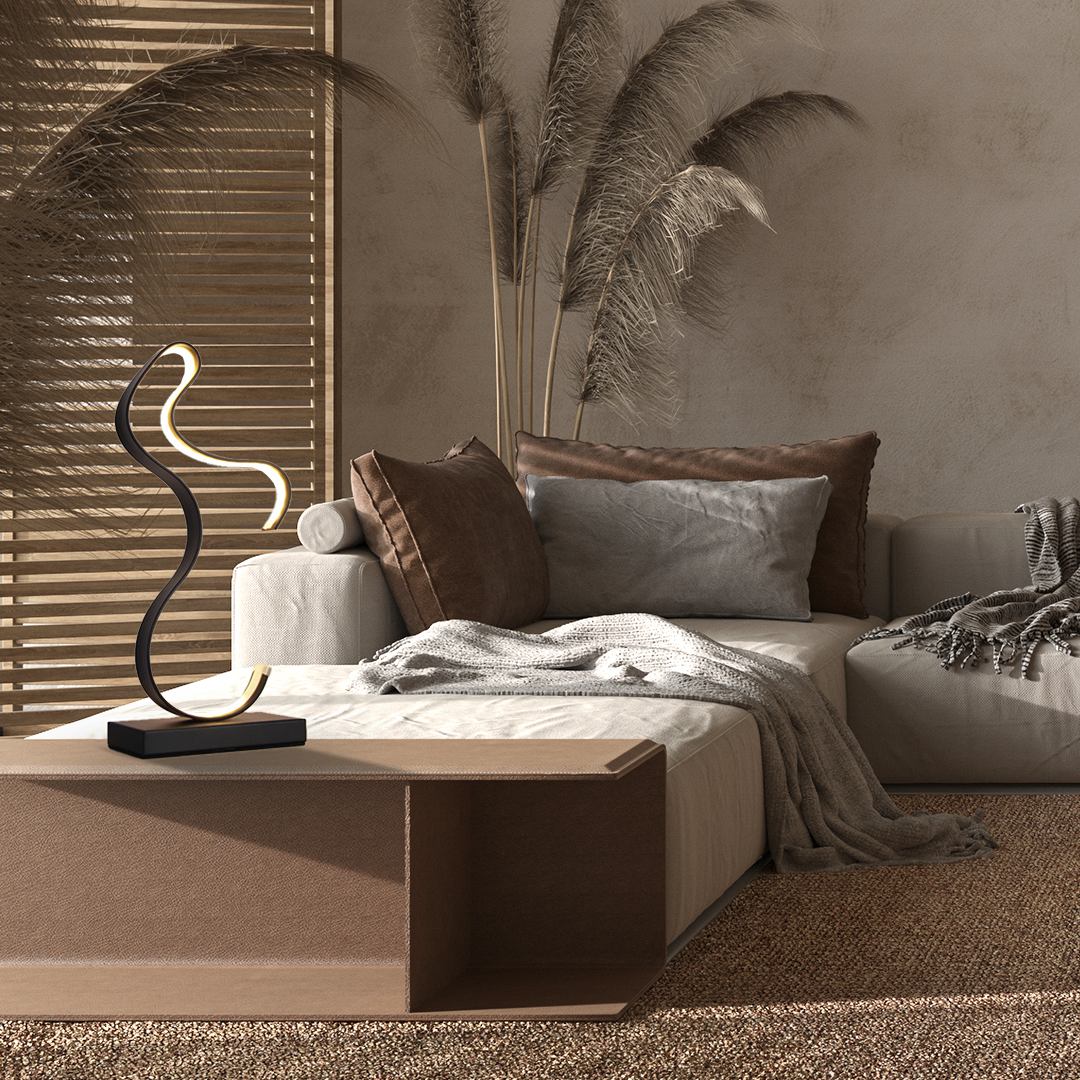
Neutral palettes, on the other hand, offer a blank canvas. Shades like soft gray, warm beige, off-white, or gentle taupe allow rooms to appear brighter, larger, and more modern without alienating any particular buyer.
When walls, floors, and even major furniture pieces are kept neutral, buyers can better imagine their belongings in the space.
These tones also photograph beautifully—an important consideration since most buyers first encounter a property online.
If you want to add color, do it subtly through accessories: throw pillows, artwork, or fresh flowers. These can be easily swapped and create just enough visual interest without overwhelming the viewer.
#2 Maximize the Perception of Space
A sense of spaciousness is one of the most important things buyers look for, regardless of the home’s actual square footage.
Interior design can play a major role in either enhancing or diminishing that perception. Decluttering is a must—cleared surfaces and tidy storage spaces make the home feel more open and organized.
Beyond just removing clutter, thoughtful furniture placement makes a big difference. Avoid pushing everything against the walls; instead, create groupings that encourage conversation and flow.
Use mirrors strategically to reflect light and make smaller rooms feel larger. In open-concept homes, area rugs help define zones, giving each part of the space a clear purpose without putting up walls.
Natural light is also a major contributor to perceived space. Keep window treatments minimal to let in as much sunlight as possible.
When privacy is necessary, use sheer curtains to maintain brightness while softening the view.
These small touches help the home breathe, giving buyers a sense of comfort and possibility from the moment they enter.

#3 Give Each Room a Clear Identity
Buyers want to understand how a home functions, and that starts with clarity in layout. One of the most common mistakes sellers make is using rooms in undefined or mixed-use ways.
A spare room that doubles as an office, gym, and storage closet can be confusing and feel chaotic. Instead, assign a specific role to each space, even if it’s staged temporarily.
A small guest room can be styled as a cozy reading nook or home office. A basement with minimal light can become a media room with the right lighting and furniture arrangement.
The key is helping buyers visualize the use of the space, not just its dimensions.
Staging with this level of intention doesn’t need to be elaborate. A basic desk, chair, and shelf can transform an empty corner into a home office.
A few plush pillows and blankets can make a window seat inviting. Simple changes like these bring life to the home and eliminate buyer uncertainty.
If staging isn’t feasible due to time or budget constraints, or if your property needs repairs that would be too costly to take on, working with direct Cincinnati home buyers can be a practical option.
These buyers typically purchase homes as-is and help sellers avoid lengthy preparation or the stress of showing the property.
It’s a convenient path for those needing to sell quickly without sacrificing too much in value.

#4 Focus on Kitchens and Bathrooms
There’s a reason kitchens and bathrooms are often cited as the most influential rooms in a home sale—they’re where buyers tend to scrutinize the most.
But you don’t have to undertake a full renovation to leave a strong impression. Cosmetic updates guided by smart design choices can be highly effective.
In the kitchen, consider repainting cabinets in a neutral shade, updating hardware, or replacing outdated lighting fixtures.
A well-placed rug or cutting board display can add warmth and functionality. Keep counters clean and minimal to highlight workspace and openness.
In bathrooms, white or soft-toned towels, updated fixtures, and a tidy vanity make a big difference.
Add small spa-like elements—a simple plant, a glass jar of cotton balls, or neatly folded linens—to create a clean and calming atmosphere.
The design here is about evoking freshness and cleanliness above all else.
Even if the space is older, showing that it’s well-maintained and thoughtfully styled can help buyers overlook dated elements and focus on potential.

#5 Consistency Creates Comfort
One often overlooked design trick is maintaining consistency throughout the home.
When every room feels like it belongs to the same story—using a similar color scheme, style, and tone—the overall experience becomes much more cohesive.
Jarring shifts in design from one room to the next can disrupt the buyer’s emotional journey.
This doesn’t mean every room has to look the same. Instead, think of your home as a coordinated collection.
A unified aesthetic helps buyers feel grounded and reassured as they walk from room to room.
It also subtly signals that the home has been designed and maintained with care, which adds to their sense of trust.
Think of your home as telling a story. The furniture, lighting, textures, and colors all serve as characters contributing to a consistent, welcoming narrative.
That continuity helps build confidence in the home’s overall value and makes buyers feel ready to take the next step.

Conclusion
Interior design isn’t just about beauty—it’s about strategy.
When preparing your home for sale, thoughtful design choices can accelerate the process, boost offers, and make the entire experience smoother for both you and potential buyers.
From creating space and light to clarifying each room’s purpose, the changes don’t have to be drastic or expensive.
It’s the subtle cues—how a room feels, how the light moves, how furniture is arranged—that influence a buyer’s emotions and decision-making.
And in real estate, those emotions matter just as much as numbers.
So whether you’re investing a weekend or a few weeks into staging and design, remember: you’re not just selling a house—you’re presenting the idea of a future home.
And with the right design approach, that future becomes easier for buyers to see—and say yes to.