Last Updated on August 11, 2026 by Rosslyn Tebbutt
A well-fitted custom suit can transform how a person feels and appears at any special event.
Whether the occasion calls for formal business attire, wedding guest wear, or black-tie elegance, the right suit makes a powerful impression. However, many people struggle with the numerous decisions involved in creating their perfect custom garment.
The key to success lies in understanding five fundamental elements: personal style details, event dress codes, fabric selection, proper fit, and versatile color choices.
These core principles help guide every decision from the initial consultation through the final fitting.
By focusing on these areas, anyone can create a suit that serves them well across multiple occasions while reflecting their individual taste and lifestyle needs.
1. Personalize details like lapel style and buttons to reflect your personal style
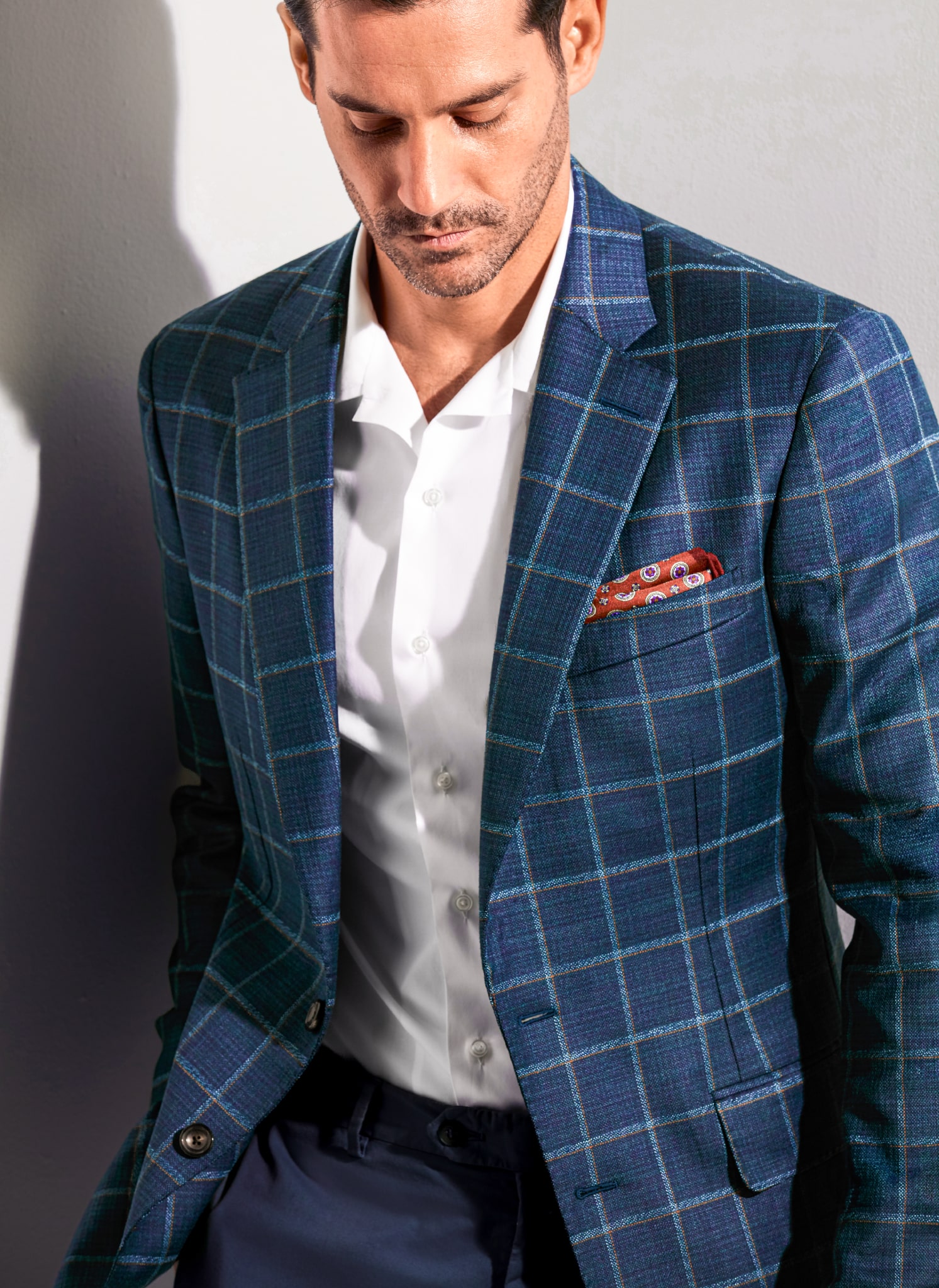
The lapel style defines the overall look of your suit and serves as one of the most important design elements.
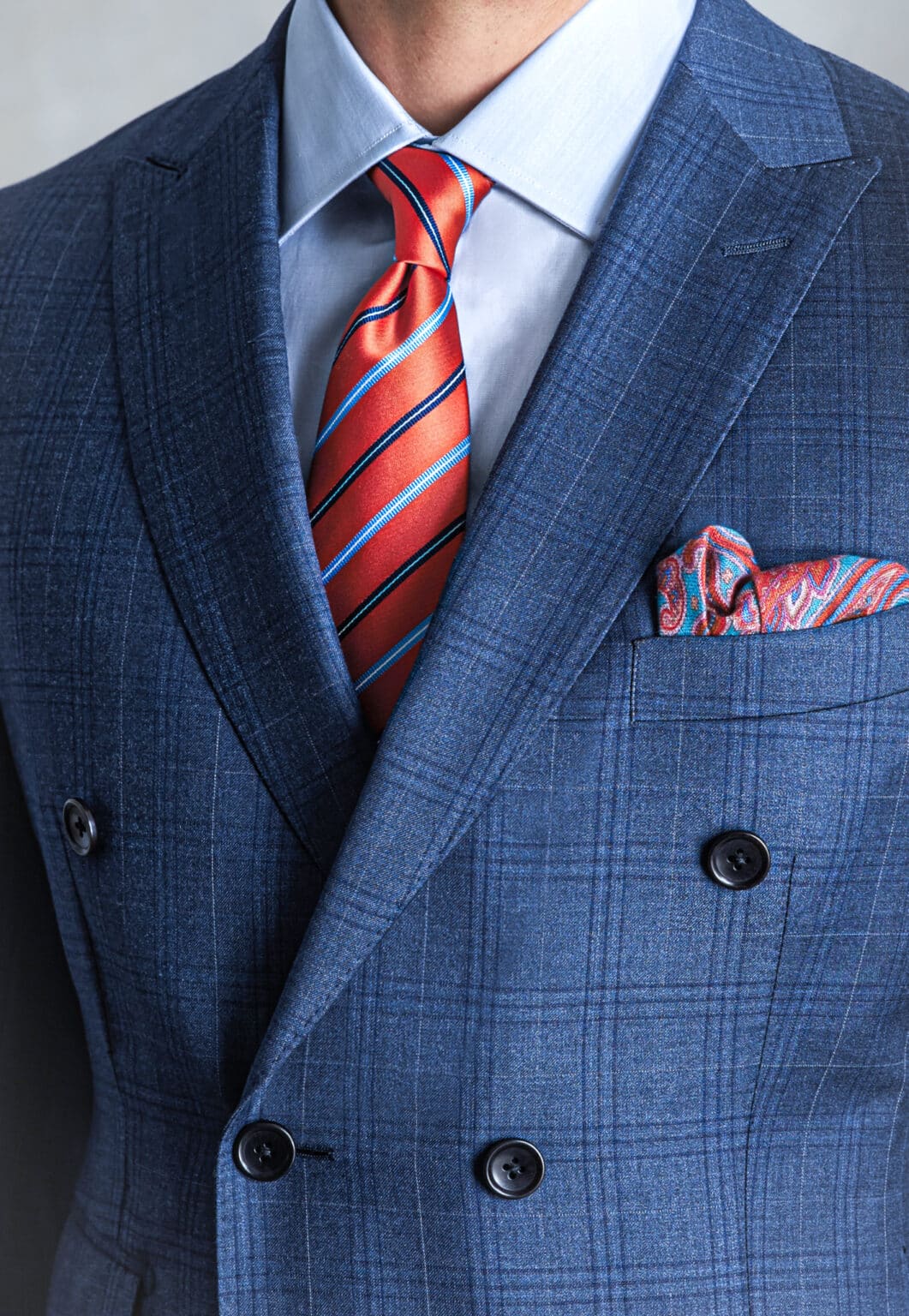
Notched lapels work well for business settings and create a classic appearance. Peak lapels add formality and work perfectly for weddings or evening events.
The width of your lapels should match your body type and personal preferences. Wider lapels create a bold statement while narrow lapels offer a more modern look.
Buttons reveal much about your style, personality, and attention to detail.
Horn buttons provide a traditional feel, while mother-of-pearl buttons add elegance. Metal buttons work well for blazers and create a more casual appearance.
Consider custom monogramming or embroidery to make your suit truly unique. These personal touches make the garment yours alone without compromising professionalism.
Custom tailored suits in NYC allow you to select every detail according to your exact preferences.
The right tailor will guide you through lapel options and button choices that complement your style and the occasion’s requirements.
2. Understand the dress code of your event to guarantee the suit fits appropriately
Different events call for different suit styles and colors. Business meetings require navy or charcoal suits that project professionalism.
However, weddings allow for more color options, like burgundy or lighter shades.
Formal events need darker colors and traditional cuts. Black-tie events typically require a tuxedo instead of a regular suit. Semi-formal occasions offer more flexibility with suit choices.
The time of day matters for suit selection. Morning and afternoon events work well with lighter colors. Evening events call for darker, more formal options.
Seasonal factors also influence suit choices. Summer events pair well with lighter fabrics and colors. Winter occasions allow for heavier materials and deeper tones.
A person should match their suit color to the event’s formality level. This approach helps create a polished appearance that fits the occasion perfectly.

3. Choose breathable fabrics like wool or cotton for comfort and season suitability
The right fabric makes all the difference for custom suits. Cotton and wool stand out as top choices because they allow air to flow through the material.
Cotton works well for warm-weather events. This natural fiber feels soft and lets skin breathe during hot days. Cotton suits resist wrinkles and clean easily.
Wool offers more versatility across seasons. Lightweight wool keeps you cool in summer while heavier wool provides warmth in winter. However, wool also maintains breathability year-round.
Both fabrics adjust to different climates. Cotton excels in hot and humid conditions. Wool performs better in moderate to cool temperatures.
The weave affects breathability, too. Loose weaves create more airflow than tight ones. Natural fibers like cotton and wool naturally offer better air circulation than synthetic materials.
Consider the event season before you choose. Summer weddings call for lightweight cotton or tropical wool. Winter formal events work better with heavier wool blends. Spring and fall events suit medium-weight options in either fabric.
4. Prioritize a perfect fit by working with a skilled tailor for adjustments
A well-fitted custom suit makes all the difference for special occasions. However, even the best measurements need fine-tuning to achieve that flawless look.
Professional tailors transform good suits into great ones. They understand how fabric should drape across different body types and can make precise adjustments that off-the-rack clothing simply cannot match.
The key lies in clear communication with your tailor. Share your style preferences and explain how you plan to wear the suit. This information helps them make targeted modifications that align with your vision.
Multiple fittings are often necessary for the perfect result. The first appointment addresses major adjustments, while subsequent visits focus on smaller details. Each session brings the suit closer to ideal proportions.
A skilled tailor can adjust jacket sleeves, trouser length, and waist measurements. They also refine shoulder fit and jacket length to create a polished silhouette that flatters your unique body shape.
Quality tailors take time with each client. They measure carefully and make thoughtful recommendations about fit and style details.
5. Select versatile colors such as navy or charcoal gray for broad event compatibility
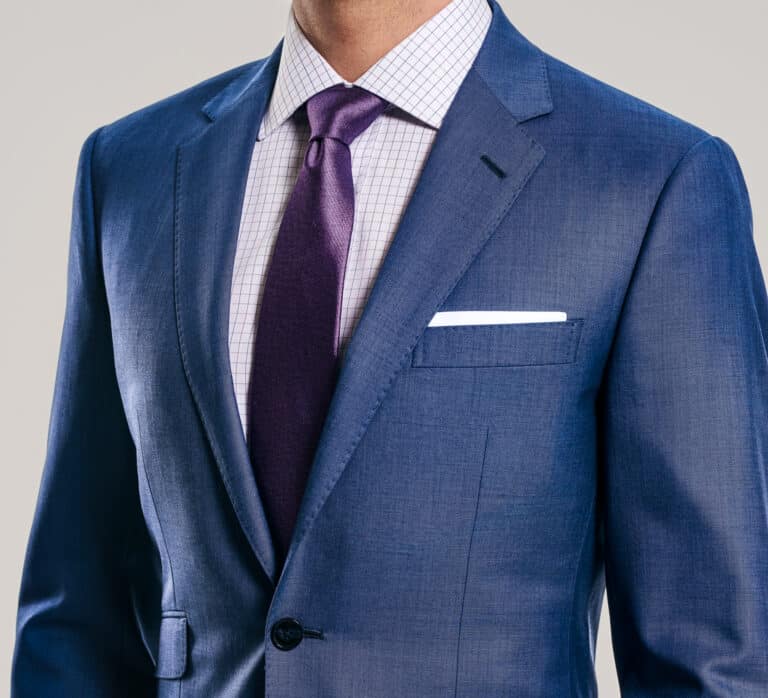
Navy suits stand out as the most adaptable choice for men’s formal wear. This color works well for business meetings, weddings, and casual events alike.
A navy suit provides a professional appearance without being too formal. It pairs easily with different shirt colors and tie patterns.
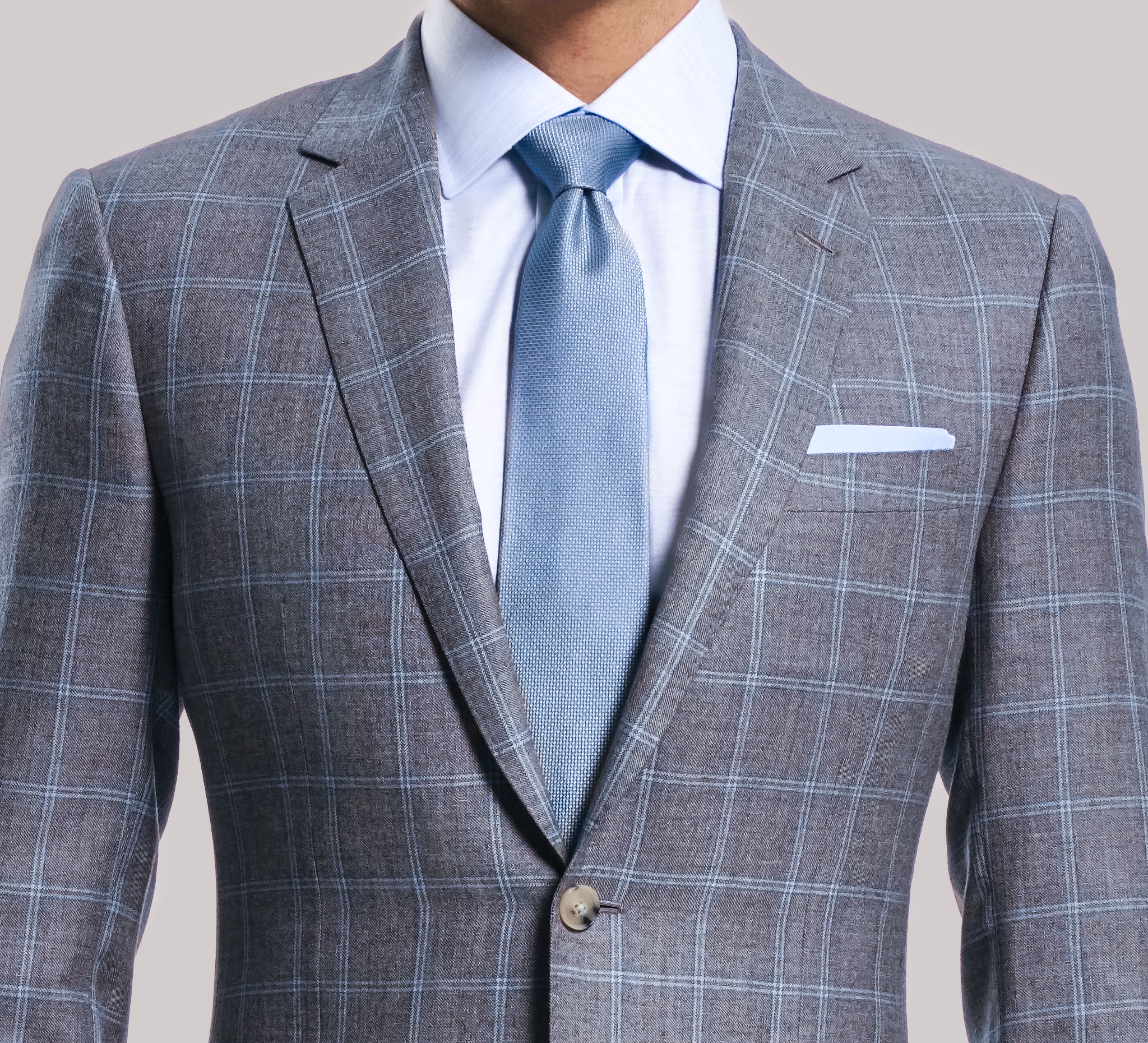
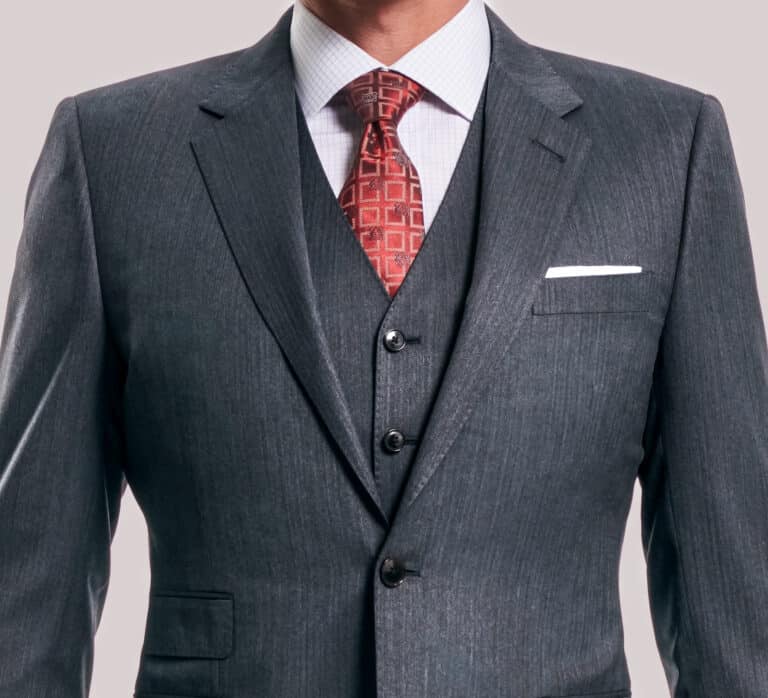
Charcoal gray offers similar flexibility to navy. This color complements various skin tones and works across multiple seasons.
Both navy and charcoal gray allow men to attend different events with confidence. These colors avoid the limitations that come with black suits, which can appear too formal for daytime events.
Gray suits work particularly well during the fall and winter months. They add depth to a man’s wardrobe while maintaining professional appeal.
Navy and charcoal gray both accept accessories well. Men can customize these suits with different shoes, belts, and pocket squares to match specific occasions.
These two colors form the foundation of a smart wardrobe. They eliminate guesswork and provide reliable options for any formal situation.
Conclusion
A custom suit serves as the perfect foundation for any special occasion. The right fit, fabric, and style transform how a person looks and feels at important events.
These five tips help anyone navigate the process with confidence. Proper measurements, quality fabrics, and attention to detail make the difference between an ordinary suit and an exceptional one.
The investment in a well-made custom suit pays dividends across multiple occasions. A thoughtfully chosen suit becomes a wardrobe staple that delivers both style and confidence for years to come.