Last Updated on August 11, 2026 by Rosslyn Tebbutt
Creating a welcoming and comfortable space for guests might seem easy, but designing a superb guest bedroom requires more consideration than simply throwing a spare duvet on an extra bed.
After all, just because it’s a spare room doesn’t mean it deserves the spare treatment. Instead, you want the room to feel less like a storage overflow and more like a serene, temporary haven.
Therefore, before diving into plans for paint colors and furniture, it helps to pause and consider these seven essential things.

1. Start With Who Will Be Staying
Who will actually be sleeping in the guest room? Is it your parents visiting from Christchurch, friends passing through on a road trip, or your adult children returning home for the holidays?
Having a clear idea of your most frequent visitors helps shape every decision that follows. For example, a young couple might appreciate a contemporary bed, while grandparents will be more grateful for a soft one.
In addition, consider how long they’ll stay. Occasional overnighters only need the basics, but long-term guests will appreciate thoughtful extras such as drawer space, a comfortable desk, or a quiet corner where they can unwind.

2. Think About Placement and Privacy
Ask builders Dunedin, Mosgiel, or Otago residents recommend, and they’ll say the location of your guest bedroom matters more than you might realise.
You want guests to have their own retreat, but you also don’t want to feel like you’re tiptoeing around your own home.
One strategy is to avoid putting the room directly off the living room or kitchen if possible. You’ll also want to add an en suite bathroom or at least make sure it’s near a bathroom.
Accessibility should matter as well. Elderly visitors or those with mobility challenges will appreciate a ground-floor room with level access and minimal steps.

3. Use the Space You Have Wisely
Guest bedrooms come in all shapes and sizes, but it’s how you use the space that counts. In fact, a small room can still feel generous if it’s well planned.
For instance, a double bed might be better than a queen-size one. A double is big enough for most visitors and leaves space for a compact desk or luggage bench.
Conversely, if the room is on the larger side, resist the temptation to fill every corner. Empty space is not a waste. Rather, it gives the eye room to rest and keeps the energy within the space calm.
Adding a cozy reading chair or a simple console table with a vase of flowers can already create charm without clutter.
In any case, balance function and breathing room so your guest bedroom feels easy to move through and genuinely restful.

4. Plan for Practical Storage
Once the main layout feels right, plan where your guests will store their belongings. Travelers sometimes arrive with more than just an overnight bag, so they’ll need somewhere to unpack, hang clothes, and store shoes.
If you have the luxury of built-in wardrobes, that’s ideal. Otherwise, think creatively or consult a builder for ideas.
A freestanding rack or a slim wardrobe can be both practical and stylish. Under-bed drawers are another clever solution for smaller rooms, where every bit of space counts.
Additionally, remember the luggage spot. Providing a bench or stand where guests can open their luggage easily saves them from crouching on the floor or piling clothes on the bed.
Hooks behind the door or a tallboy drawer also help keep the space tidy and comfortable for longer stays.

5. Choose the Right Flooring
Flooring sets the tone for how a room feels the moment someone steps inside.
A building expert might suggest timber since it always looks fresh and natural. You can then layer soft wool carpet over it to instantly add warmth and coziness.
Whatever flooring you choose, make sure it’s something durable and easy to clean, since suitcases, shoes, and the occasional coffee spill are inevitable.
Ultimately, the flooring should support comfort without creating fuss.

6. Layer Lighting Thoughtfully
Lighting has a remarkable power to transform a room. It can dictate the vibe, influence the perceived size, and affect the usability of a space.
So, take a page from your favorite hotel suite and aim for a mix of ambient, task, and accent lighting to give the room depth and flexibility.
Equally, pay attention to natural light. If the room faces the sun, use curtains or blinds that allow control without plunging the space into darkness.
Blackout curtains are worth considering for guests who are light-sensitive, but pairing them with sheer drapes gives options throughout the day.
The goal is to create a room that’s bright and uplifting during the day, and warm and restful once the sun sets.

7. Define the Look and Feel of the Space
Finally, tie the guest room together by defining the overall design.
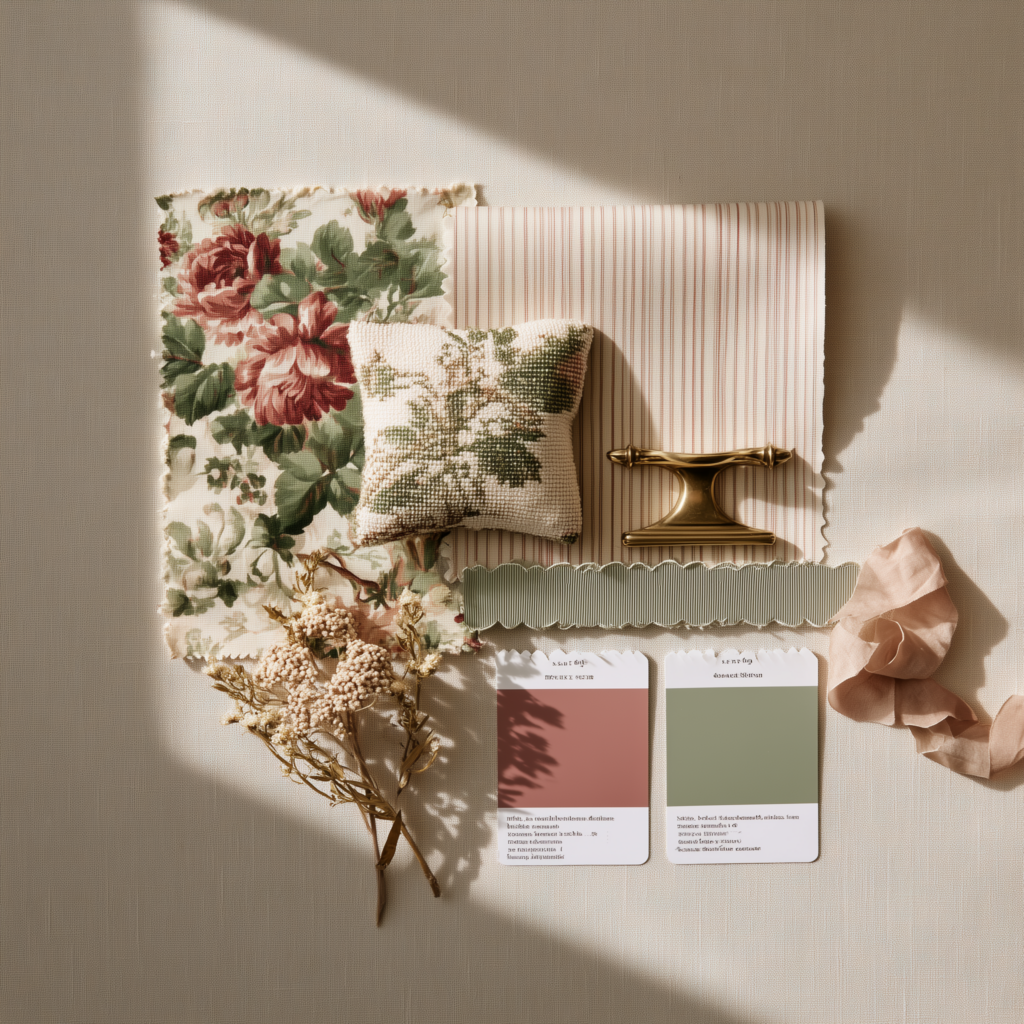
It doesn’t have to match your bedroom exactly, but it should feel cohesive with the rest of your home. For this, use colors and textures that echo your home’s aesthetics.
At the same time, avoid making the space too personal. For example, those family photos are better left in your own bedroom.
But don’t let the guest room feel sterile either. You can put a vase of fresh flowers on a nightstand, artwork on the wall, or patterned cushions on an armchair to add personality without overwhelming the space.

Build a Room Guests Will Love
When everything else is done, spend a night in the room yourself. By experiencing it first-hand, you’ll notice small details you might have overlooked.
Perhaps there’s nowhere to charge a phone, or the curtains don’t quite block the morning light. This test run helps you fine-tune those finishing touches so your guests don’t have to.
After all, when you treat the guest room with the same care as any other part of your home, you’ll create a space that your guests never forget, and one you’ll take pride in every time you open the door.