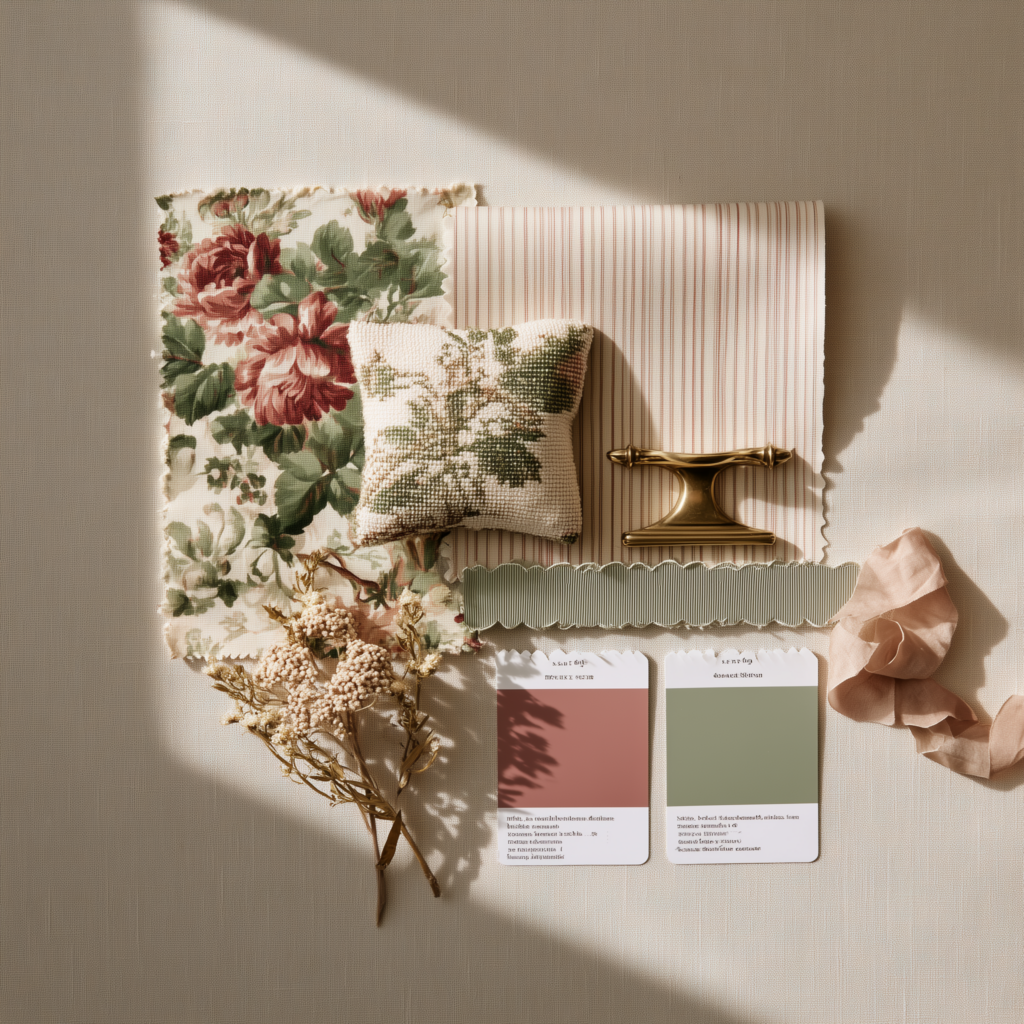
Last Updated on September 30, 2026 by Rosslyn Tebbutt
A room’s comfort rarely comes down to one single choice.
It’s the quiet interplay of furniture arrangement, flooring, lighting, and soft materials that determines whether a space feels welcoming or simply looks nice in photographs.
Years ago, a cramped, echoey living room became noticeably more inviting after simply repositioning the seating and adding a soft floor layer—no major renovation required.
This article isn’t about trends; it’s about durable, adaptable principles that apply regardless of style, budget, or square footage.

Understanding How a Room Feels: More Than Just Looks
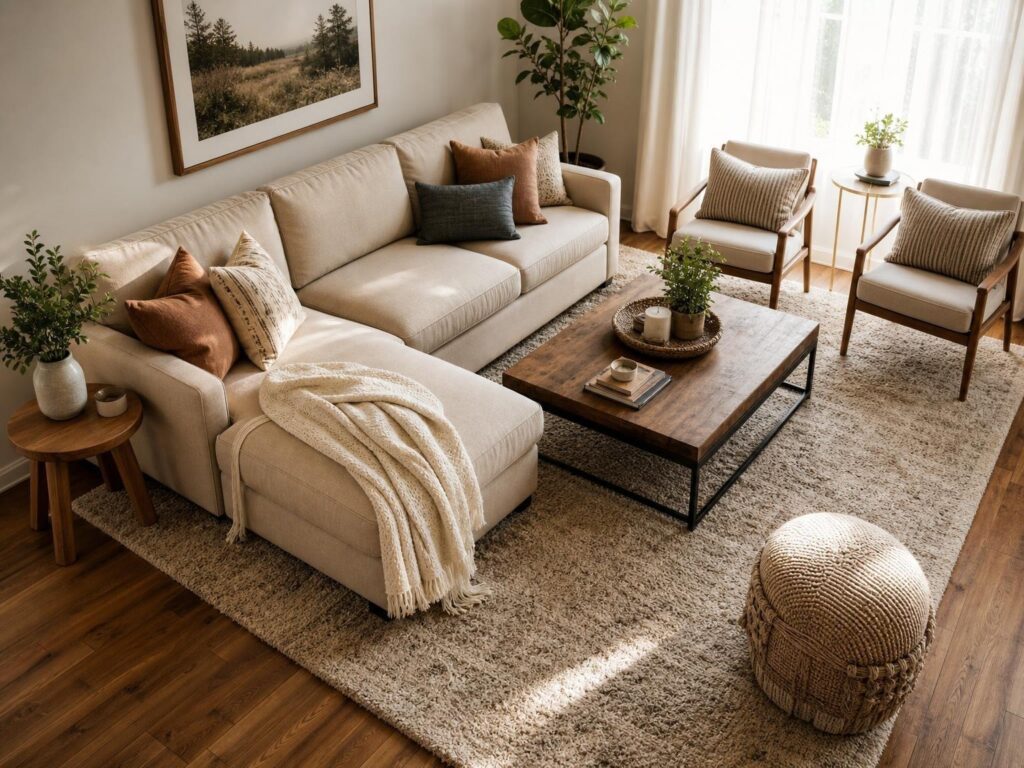
Textiles like curtains, throws, and rugs play a crucial role in softening a space and adding comfort, working alongside layout and surfaces to shape how a room actually feels to live in.
Comfort in a room is shaped by three overlapping factors: visual balance, tactile comfort, and acoustics.
Visual balance concerns how larger pieces—sofas, tables, beds—relate to open floor space, keeping a room from feeling either sparse or crowded.
Tactile comfort involves the surfaces people actually touch: upholstery, flooring, and layered textiles.
Acoustics matter more than most people realize; hard surfaces like bare floors and walls reflect sound, while soft materials absorb it, making a room feel calmer and more intimate.
Many well-designed rooms rely on anchoring—a central element, often a seating arrangement or bed, around which everything else is organized.
Identifying this anchor early makes every other decision easier.

Planning Furniture Layout for Flow and Function
Before considering décor, it helps to look honestly at how a space is actually used.
Is it primarily for reading, conversation, working, or hosting guests? Understanding this shapes everything that follows.
Equally important is traffic flow—the natural paths people take between doorways, seating, and other functional zones.
Sketching a rough floor plan, or even using tape on the floor to test furniture placement, can reveal problems before they become permanent.
A few layout principles tend to hold true across most rooms:
- Keep walking paths clear of large furniture.
- Arrange seating so people can face each other comfortably without raising their voices.
- Preserve clearance around doors and frequently used storage.
- Consider sight lines—what’s visible from the entrance and from the main seating area.
Start with how you use the room, then arrange furniture to support those activities.
A living room where a sofa blocks the main pathway, for instance, often feels tense and awkward; shifting it just a few feet to open a clear route can transform how the space functions.
Working with Flooring: Hard Surfaces, Soft Layers, and Safety
Flooring affects comfort more than many homeowners initially expect.
Hard flooring—wood, tile, laminate, vinyl—is durable and easy to maintain, but it can feel cold underfoot and tends to amplify sound.
Soft flooring, including wall-to-wall carpet or large floor textiles, adds warmth and cushioning but requires more upkeep.
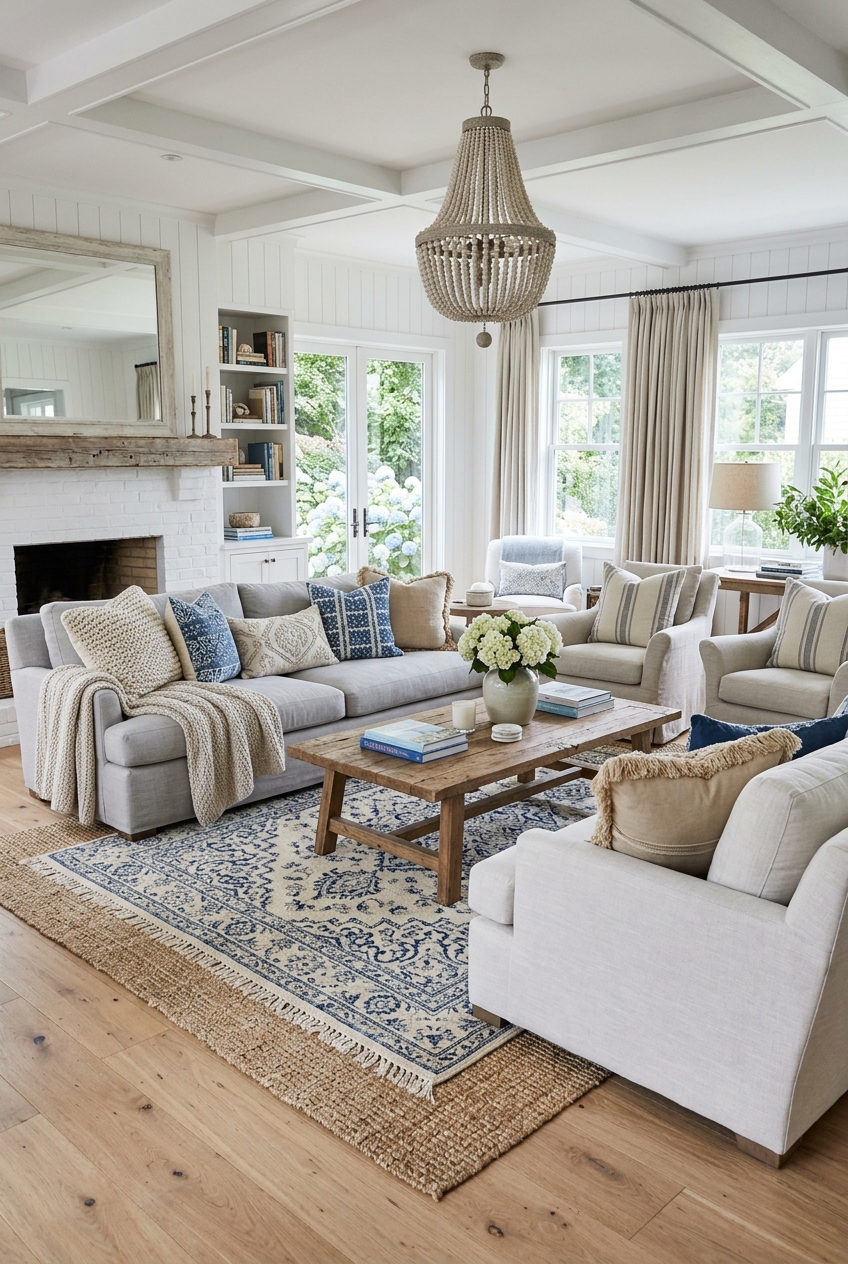
Layering soft textiles over hard floors offers a practical middle ground. They can:
- Define separate zones within an open-plan space, such as distinguishing a seating area from a dining area.
- Add insulation and comfort in high-use spots like living rooms or beside a bed.
- Reduce slipping risk when paired with a proper non-slip underlay.
Key Takeaway: Hard floors are practical; soft layers bring comfort. The right balance depends on your climate, household, and daily habits.
Whatever flooring or layering you choose, follow manufacturer care instructions and prioritize safety—secure edges and non-slip pads matter as much as appearance.
Textiles That Transform a Room: From Windows to Floors
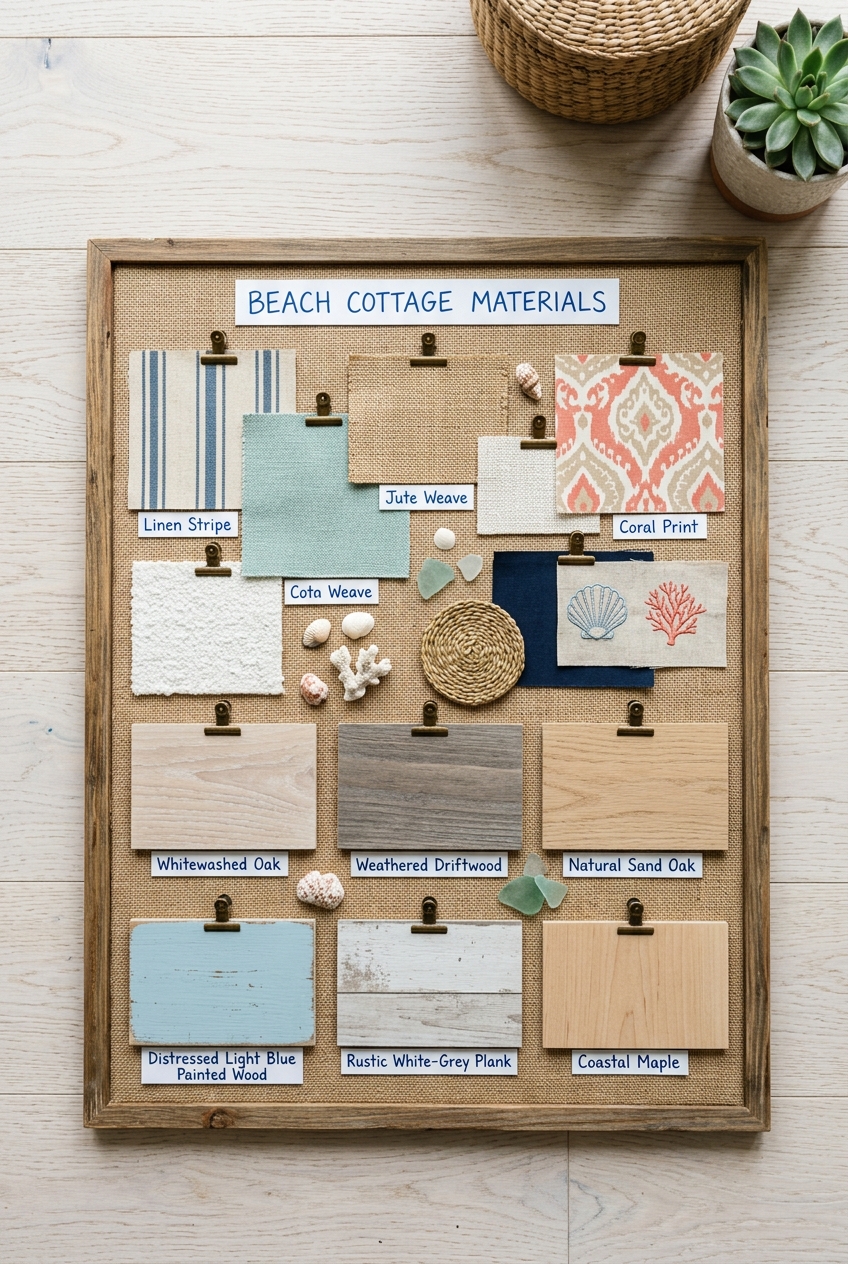
Textiles are among the most flexible tools for shaping a room’s mood.
Curtains, throws, cushions, and floor coverings introduce color and pattern without permanent commitment, soften harsh light, improve privacy, and absorb sound that would otherwise bounce off bare surfaces.
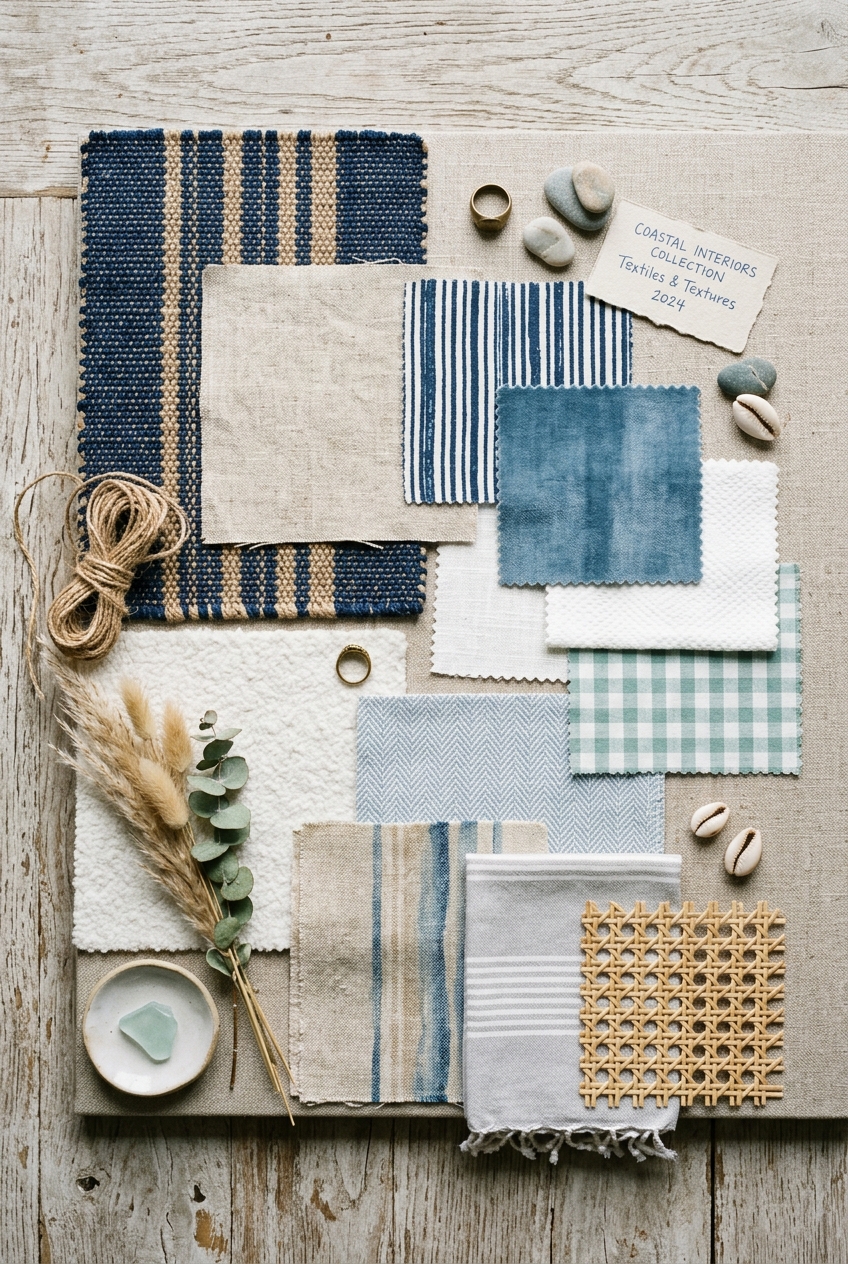
To keep a room cohesive rather than cluttered, it helps to start with a neutral base—a sofa or larger floor covering—and build outward with smaller, more colorful accents.
Limiting the palette to a few coordinating colors, and mixing textures like smooth, woven, and nubby fabrics, adds depth without visual chaos.
Floor textiles can echo colors found in cushions or artwork, tying a room together in a way that feels intentional rather than accidental.
Practical Guidelines for Layering Textiles on Hard Floors
When using floor textiles to anchor furniture, proportion matters.
A common misstep is choosing a textile too small, leaving furniture “floating” awkwardly around it rather than resting partially on it.
Leaving a visible margin of floor around the edges also keeps a room from feeling cramped.
For those who want to layer:
- Start with a larger, flatter base textile for comfort and floor protection.
- Add a smaller accent layer on top for pattern or color.
- Secure everything with an appropriate underlay to prevent shifting.
Always secure floor textiles on hard surfaces with an appropriate underlay.
This is especially important in high-traffic areas, where curling edges can become a tripping hazard.
Checking manufacturer guidance on compatibility between flooring material and underlay helps avoid unintended damage.

Bringing It All Together: A Simple Framework for Any Room
Three pillars support most comfortable interiors: furniture layout for flow, flooring and soft layers for comfort and safety, and textiles for mood and sound control.
A simple process ties them together:
- Clarify the room’s primary activities.
- Arrange major furniture to support those activities while keeping pathways clear.
- Identify where hard surfaces feel cold or noisy, and add soft layers as needed.
- Adjust textiles—curtains, cushions, floor coverings—for a cohesive look.
Start with function, then layer in comfort and character.
There’s no universal formula; the most successful rooms evolve gradually, as people notice what isn’t working and make small, thoughtful adjustments over time.