Last Updated on November 24, 2026 by Rosslyn Tebbutt
There is something undeniably captivating about an oversized design feature.
A sculptural chandelier suspended above a dining table, a dramatic slab of natural stone, a floor-to-ceiling mirror, or an impressive piece of custom furniture can completely transform the way a room feels.
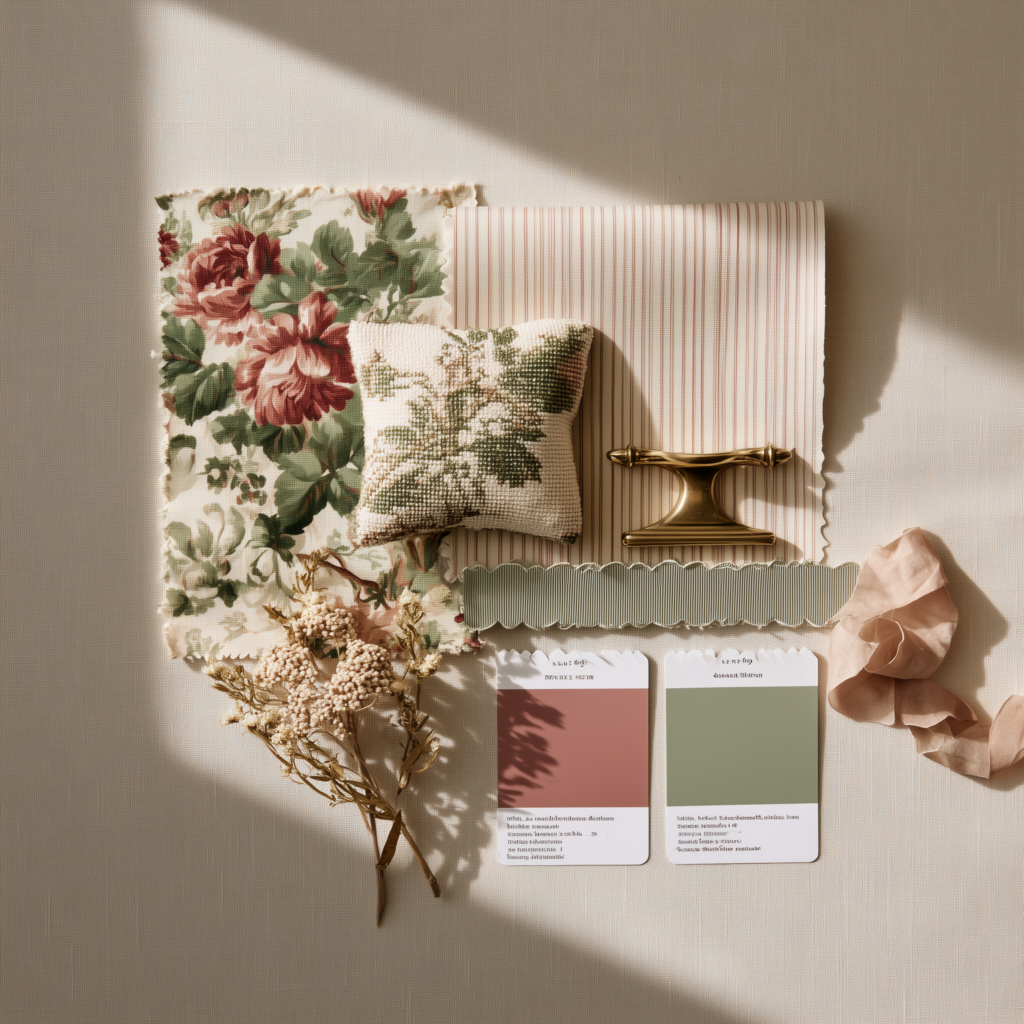
On a mood board, these pieces help establish scale, texture, color, and personality. But turning that visual concept into reality involves more than choosing the perfect statement piece.
Designers also have to consider how that piece will physically be brought into the space.
The larger and heavier a feature becomes, the more critical installation planning is.
Measurements, access points, structural support, delivery logistics, and sometimes even specialized rigging equipment can all play a role in bringing an ambitious design concept to life.

Designing With Scale in Mind
Oversized elements work because they create an immediate focal point.
A large pendant light can visually anchor an open dining area. An expansive stone fireplace can give a living room architectural presence.
A sculptural table can serve as the centerpiece around which the rest of the room is designed.
This sense of scale should begin at the mood board stage.
When gathering inspiration, it is easy to focus primarily on color palettes and aesthetics. However, designers should also consider proportion.
How large is the piece relative to the room? How high are the ceilings? Will surrounding furniture complement it, or will everything compete for attention?
Thinking about these details early makes it easier to create a room that feels intentional rather than merely filled with large objects.

Consider How the Piece Will Enter the Space
One of the least glamorous but most important questions is surprisingly simple:
How will it get in?
An oversized sofa might look perfectly proportioned in a living room but be too large to fit through the home’s entryway.
A stone dining table may fit through the door but be too heavy to carry safely up a staircase. A chandelier may arrive in several sections but still require specialized equipment to position it above a double-height space.
Before ordering oversized pieces, measure doorways, hallways, staircases, elevators, and any tight turns along the route from the delivery point to the final location.
For particularly challenging installations, windows or exterior openings may sometimes offer better access than interior routes.

Heavy Materials Require Extra Planning
Natural stone, solid wood, glass, concrete, and metal add wonderful texture and permanence to interiors, but they can also add significant weight.
A large marble or quartzite slab, for example, requires very different handling than a lightweight decorative panel.
The same is true of a solid stone table compared with a hollow or composite alternative.
Heavy materials may require professional lifting and rigging equipment for installation.
Depending on the project, installers may use synthetic lifting slings to support an object while minimizing direct contact with finished surfaces.
Shackles and rated lifting hardware can create secure connection points, while chain hoists may provide the controlled lifting needed to position a heavy feature gradually.
For long or unusually shaped pieces, a spreader beam can help distribute the lifting force across multiple points rather than concentrating it in one area.
The goal is not simply to lift something heavy. It is to keep the feature stable and under control while protecting the material and the surrounding interior.

Installing Oversized Lighting
Few design elements demonstrate the importance of installation planning better than oversized lighting does.
Large chandeliers and sculptural pendants can transform an entryway, dining room, or double-height living space, but they can also be surprisingly heavy.
Before installation, the ceiling structure should be evaluated to confirm it can support the fixture.
The mounting system, electrical connections, finished height, and access for future maintenance should also be considered.
For especially large fixtures, installers may use a material lift, chain hoist, or portable gantry system to slowly raise the fixture into position.
This controlled approach is especially valuable when working around finished flooring, cabinetry, walls, and furniture.

Protecting Delicate Finishes
Weight isn’t the only challenge.
Many statement pieces have surfaces that are easily scratched, chipped, bent, or cracked.
Polished stone, glass, decorative metal, finished wood, and custom plaster elements require careful handling throughout installation.
This is another reason the lifting method matters.
A sling positioned incorrectly against a finished edge could cause damage even if it can easily support the weight.
Glass and stone may require specialized lifting clamps or vacuum-lift equipment designed for those materials.
Protective padding can also be used around contact points and nearby architectural finishes.
Ideally, these considerations are addressed before the piece arrives, rather than improvised on installation day.
Plan the Installation Alongside the Design
For complex interiors, installation logistics should become part of the design process.
If a room will eventually feature an enormous stone table, for example, it may make sense to deliver it before certain door frames or architectural details are completed.
Likewise, a large chandelier may be easier to install before scaffolding is removed or delicate furnishings arrive.
Designers can coordinate early with contractors, fabricators, installers, and lifting professionals to determine what equipment is needed and when the installation should happen.
This is particularly important when working with custom pieces. A relatively small adjustment to dimensions, lifting points, or assembly methods during fabrication can sometimes make the final installation considerably easier.
From Inspiration to Reality
A mood board gives us permission to think big.
It is where dramatic materials, sculptural shapes, oversized lighting, and statement furniture can be explored without worrying about every practical detail.
But great interior design doesn’t end with inspiration.
The most successful spaces balance creativity with execution. Behind a seemingly effortless statement feature may be careful measuring, structural planning, custom fabrication, delivery coordination, lifting slings, hoists, and a team of experienced installers.
That behind-the-scenes work lets ambitious ideas become beautifully resolved interiors.
So, when adding that oversized chandelier, monumental stone table, or sculptural feature to your next mood board, think beyond how it will look in the finished room.
Consider how it will arrive, how it will be handled, and how it will ultimately be installed.
Taking a design from mood board to reality isn’t only about choosing the right pieces. It is about making sure every piece, no matter how large, has a clear path into the space.