Last Updated on August 11, 2026 by Rosslyn Tebbutt
The New Era of Customization in Interior Design
Interior design today is as much about usability as it is about aesthetics.
This evolution is especially clear in kitchen and cabinetry design, where clients expect spaces tailored to their routines, preferences, and style.
Cabinetry plays a foundational role in shaping how people experience their homes. It defines not only how a kitchen looks but also how it functions.
However, finding cabinetry that fits both design intent and project realities can be challenging. Stock cabinets often lack flexibility, while custom solutions may stretch budgets and timelines.
Semi-custom cabinetry has emerged as a smart alternative, offering greater design control without the logistical weight of fully bespoke work.
It enables designers to meet unique client needs while staying on schedule and within budget.

Why Semi-Custom Cabinetry is Gaining Momentum
Semi-custom cabinetry offers a practical blend of personalization and efficiency.
For designers, it means greater control over finishes, door styles, and configurations—without starting from a blank slate.
This makes it especially valuable in kitchens, where cabinetry commands a significant portion of the budget and visual space.
Products like semi custom cabinets from iCabinetryDirect allow professionals to make meaningful design choices without delays or overcomplications.
They combine adaptability with the assurance of working from a well-supported product line.
More designers are turning to semi-custom cabinetry to meet the rising demand for cohesive interiors.
By coordinating cabinets with flooring, countertops, and wall finishes, it’s easier to craft harmonious spaces that feel thoughtfully designed rather than pieced together.
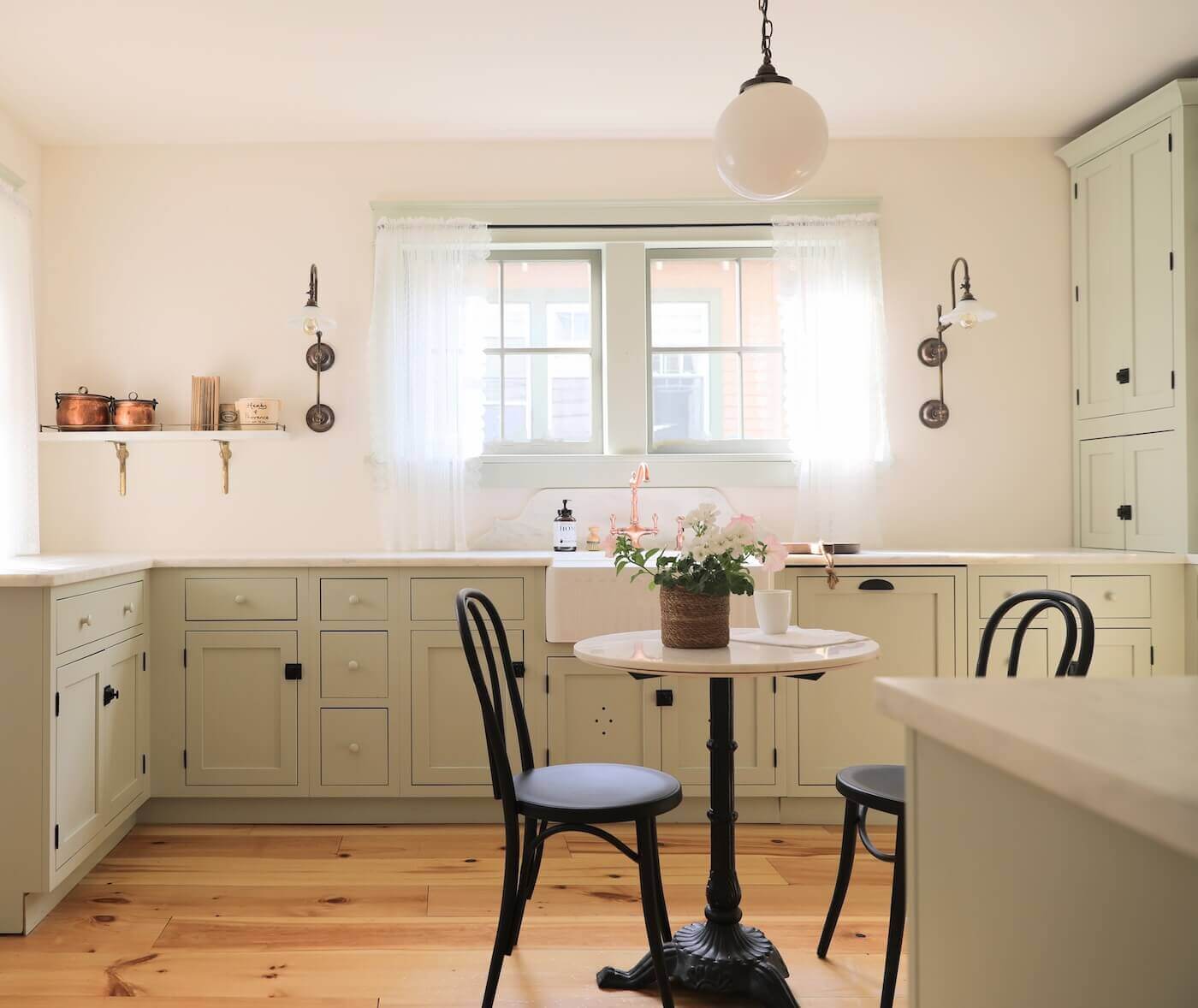
Design Flexibility Without the Overwhelm
Semi-custom cabinetry supports creative freedom while simplifying decision-making.
With a wide range of finish options, sizes, and layouts, it gives designers the tools to execute diverse styles—traditional, modern, or somewhere in between—without overcomplicating sourcing.
This flexibility becomes especially useful during the concept phase. Designers can match cabinet choices with the visual language of their presentations, ensuring that client expectations remain aligned throughout the project.
The ability to showcase realistic cabinet selections in early-stage planning builds clarity and trust.
As clients become more style-conscious, designers need access to materials that reflect current aesthetics.
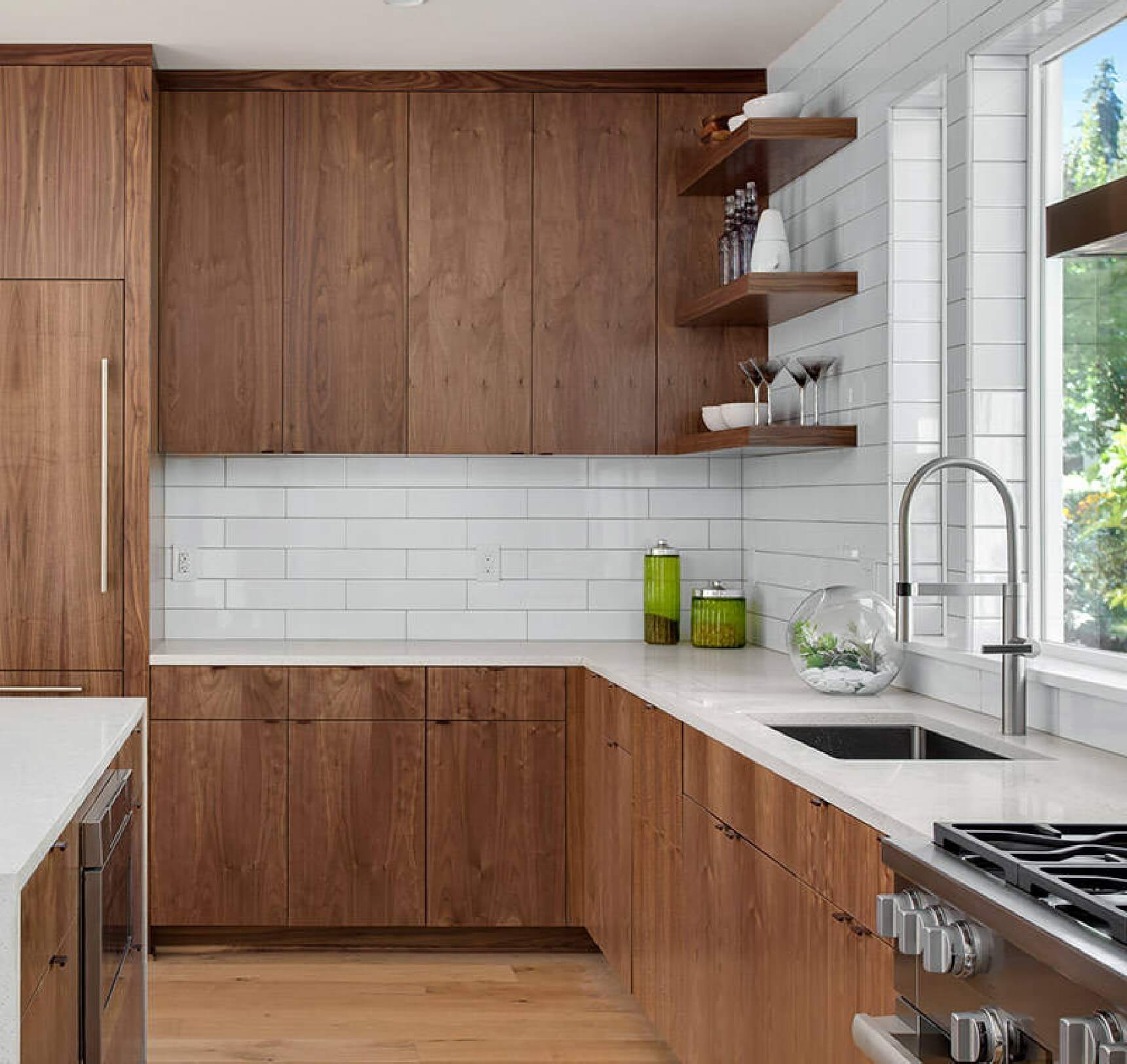
Many semi-custom lines now include features aligned with cabinet finish trends, such as flat-panel doors, warm neutral palettes, and integrated hardware.
These updates help professionals offer relevant and sophisticated options without sacrificing functionality.

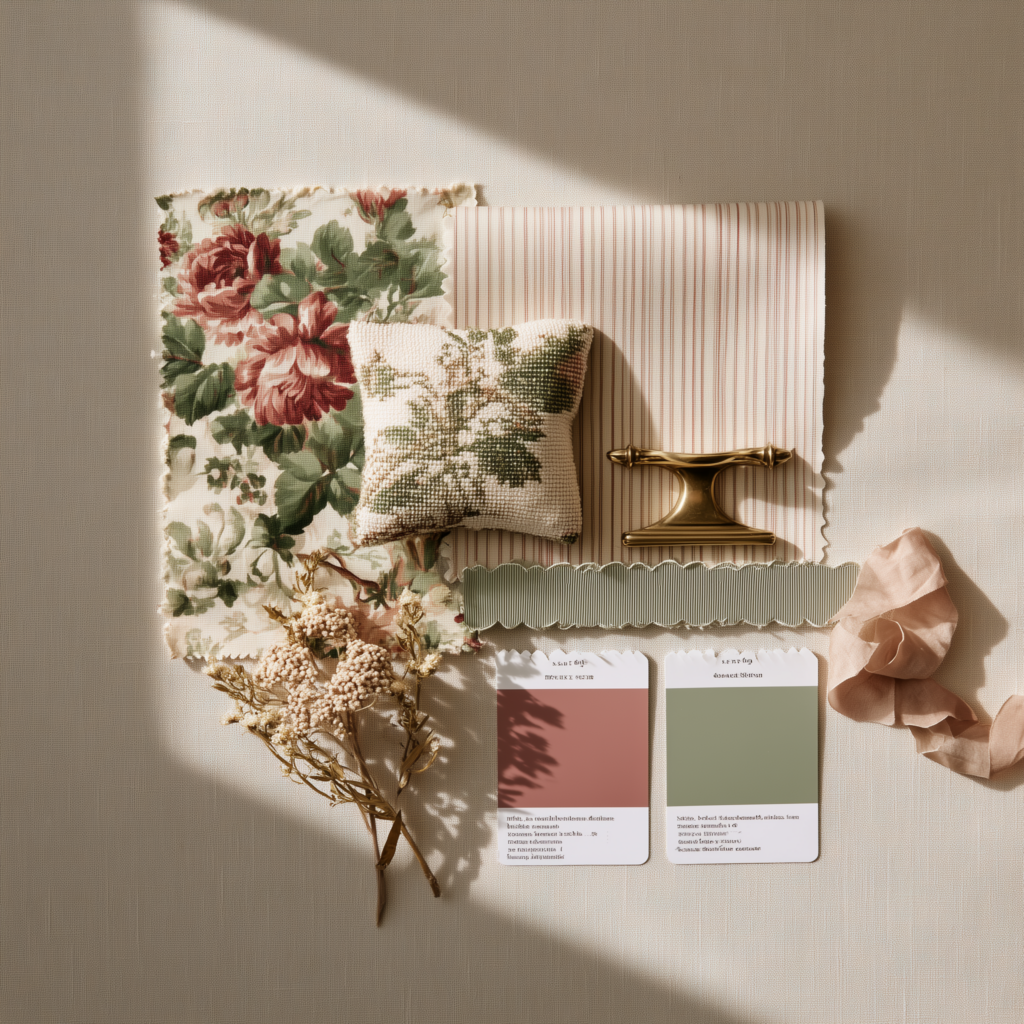
Bridging Mood Boards and Real-World Spaces
Mood boards are essential tools for communicating a design vision.
But turning those visual concepts into finished interiors depends on sourcing materials that match the original plan’s look and feel.
Semi-custom cabinetry bridges that gap by offering enough variety to reflect the project’s aesthetic intent.
With a broad catalog of finishes and configurations, designers can confidently build plans that translate seamlessly from screen to installation.
Cabinet choices can be integrated directly into visual presentations, reducing revisions and streamlining approvals.
This also strengthens client communication from the start. When designers use tools to create mood boards that incorporate realistic cabinetry options, they present a clear, professional proposal grounded in real-world execution.
Whether the project calls for sleek urban styling or a more classic look, semi-custom cabinetry gives designers the versatility to maintain visual consistency while accommodating practical constraints.

Making Cabinetry a Creative Asset
Semi-custom cabinetry offers an ideal combination of adaptability, efficiency, and design impact.
It supports creative thinking without adding unnecessary complexity, allowing designers to deliver work that is both thoughtful and practical.
By choosing products that reflect their vision and meet client expectations, designers can use cabinetry as a central, expressive element in their work—not just a functional one.
When aligned with the rest of the design process, the right cabinetry becomes a valuable contributor to a space’s overall success.
As design tools and client demands continue to evolve, solutions that help connect vision with execution will remain essential.
Semi-custom cabinetry delivers on that promise—making it a smart, reliable choice for today’s interiors.