
Last Updated on August 11, 2026 by Rosslyn Tebbutt
Most garages look tired because concrete ages fast. Cracks appear, stains accumulate, dust settles everywhere.
A pristine garage gradually becomes a space you apologize for when visitors arrive. That degradation feels inevitable, like something you just accept as part of owning a garage.
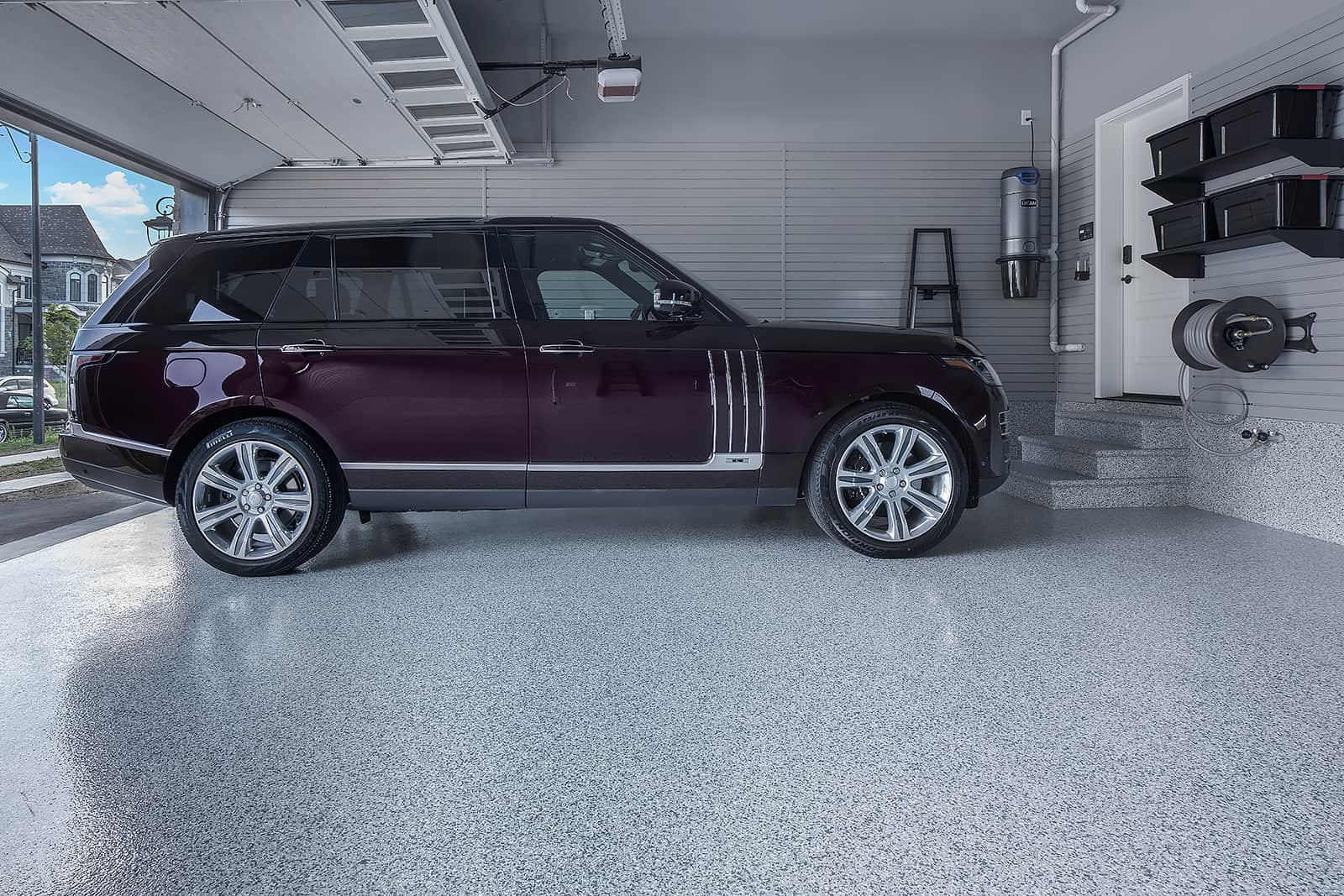
But here’s the thing, that assumption is wrong. A weekend upgrade with modern garage floor coatings transforms dull cement into a durable, high-gloss surface that looks intentional and lasts for years.
These aren’t just paint. They’re engineered systems that seal, protect, and enhance concrete fundamentally. They stop degradation and create surfaces that improve with age because maintenance becomes simpler and protection strengthens.
Reclaiming your garage means understanding what’s happening to your concrete and how professional coatings address those problems.
It’s about stopping damage, creating surfaces that function better, and making spaces that actually look maintained instead of neglected.
Why Concrete Fails Over Time
Oil, salt, and moisture are concrete’s primary enemies. Oil from vehicles soaks into unsealed concrete creating permanent stains. Salt from winter roads accelerates deterioration from inside.
Moisture trapped in concrete expands and contracts, creating cracks. An unsealed garage absorbs all these damage vectors simultaneously, which is why concrete ages quickly despite appearing permanent.
Concrete is porous at the molecular level, making it vulnerable to whatever contacts it. Water seeps in and sits, creating mold conditions.
Salt penetrates deep and creates internal crystallization that breaks concrete apart. Oil settles into pores creating permanent stains that cleaning never fully removes. Each damage pathway works independently and simultaneously, leaving unsealed concrete defenseless.
Degradation accelerates over time because initial damage creates more surface area for subsequent damage.
Cracks trap moisture, creating more cracks. Porous areas absorb more stains and salt. That vicious cycle means neglected concrete gets progressively worse until failure becomes apparent and costly.
What a Professional Coating Actually Does
Sealing pores is the foundational function protecting concrete from damage.
A quality coating fills microscopic voids in concrete, creating a barrier between concrete and whatever tries to damage it.
Oil can’t soak in because pores are sealed. Salt can’t penetrate because there’s a barrier. Moisture can’t sit inside because it can’t get inside.
That simple barrier principle protects concrete for decades when coatings are applied properly.
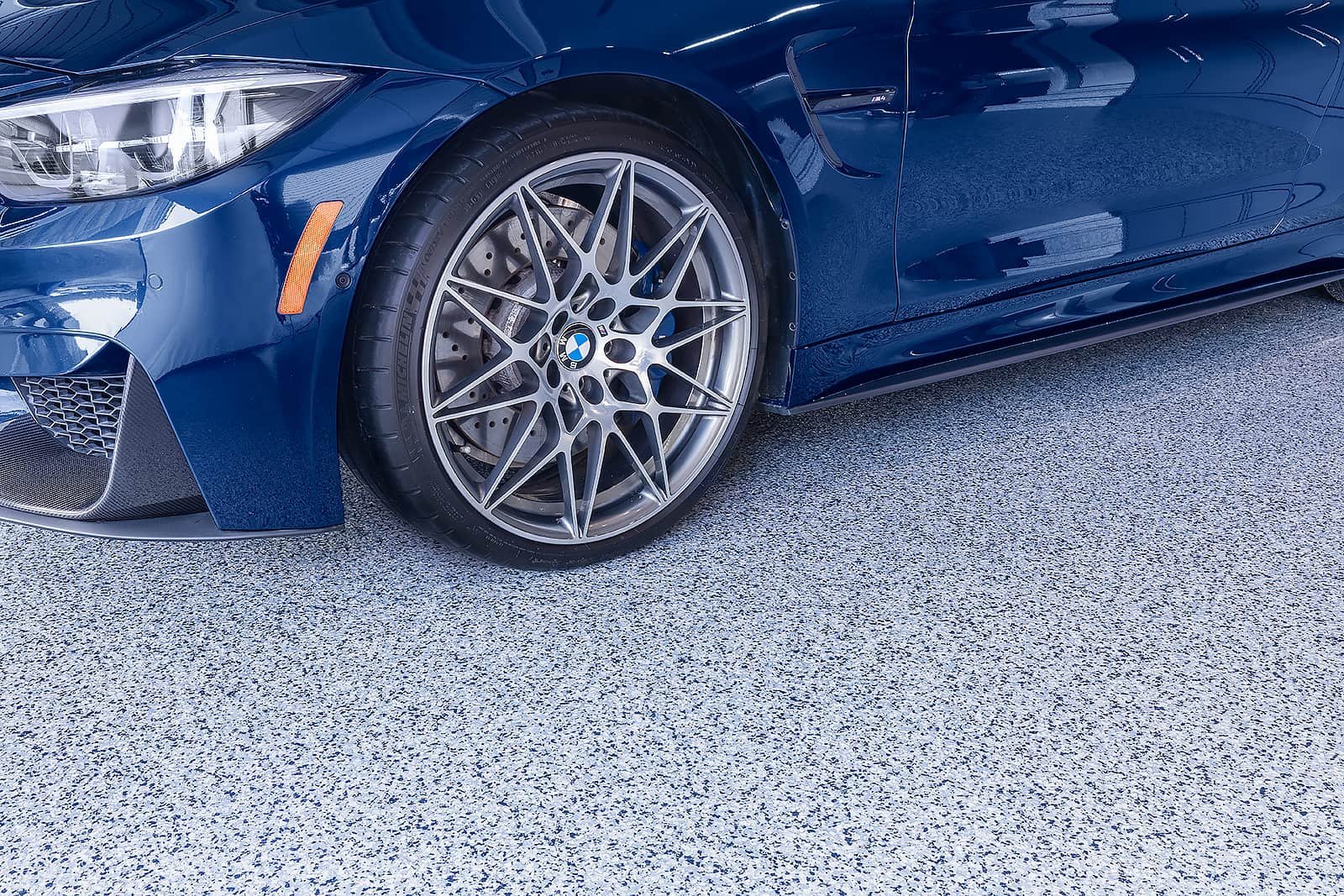
Preventing stains means oil spills and salt spray no longer create permanent marks. Modern coatings repel contaminants rather than absorbing them.
A spill sits on the surface long enough for cleaning before it penetrates. That resistance means stains don’t accumulate and ownership of them becomes simple cleaning rather than permanent disfigurement.
Creating slip-resistant, chemical-proof layers adds safety and durability. Coatings include texturing that prevents sliding when wet.
Chemical-resistant formulations withstand battery acid, antifreeze, and gasoline without degrading. That combination improves how spaces function for the people using them.

The Weekend Transformation Process
Surface prep determines whether coatings actually bond properly and perform long-term. Cleaning concrete thoroughly removes oil, dust, and loose debris that would prevent adhesion. Etching or grinding the surface creates texture that helps coating stick.
Moisture testing ensures the concrete is dry enough for coating application. That prep work typically takes as long as the actual coating application, which is why professionals invest the time even though homeowners might want to skip it.
Skipping prep is how DIY coatings fail while professional applications succeed in the same garage.
Primer application creates the foundation that ensures topcoat adhesion and performance. Some coatings are self-priming, but separate primer application often performs better, especially on previously sealed or highly damaged concrete.
The primer bonds to the prepared concrete and creates the surface that the topcoat bonds to. That layered approach means the final coating is locked in place through multiple adhesion points rather than relying on a single connection.
Multiple coats and multiple bonding opportunities mean coatings stay adhered longer than single-layer approaches.
Coating and curing completes the process but requires patience. Application is usually straightforward, but curing time determines when you can actually use the garage.
Many coatings cure in forty-eight hours, though full hardening sometimes takes longer. Professional installers understand local humidity and temperature conditions that affect curing speed.
DIY approaches often fail because homeowners underestimate curing requirements or don’t account for environmental conditions that slow hardening. That’s why professional results typically outlast DIY efforts by years.
Long-Term Benefits That Pay Off
Easier cleaning becomes a daily benefit that accumulates over years. A sealed floor wipes clean with simple mopping instead of requiring intense scrubbing or pressure washing.
That reduced maintenance effort compounds annually into dozens of hours saved. The psychological benefit of a surface that stays clean longer and requires less effort to maintain makes the garage more pleasant to spend time in.
That shift from frustrating cleaning difficulty to manageable upkeep changes how people think about their garage space.
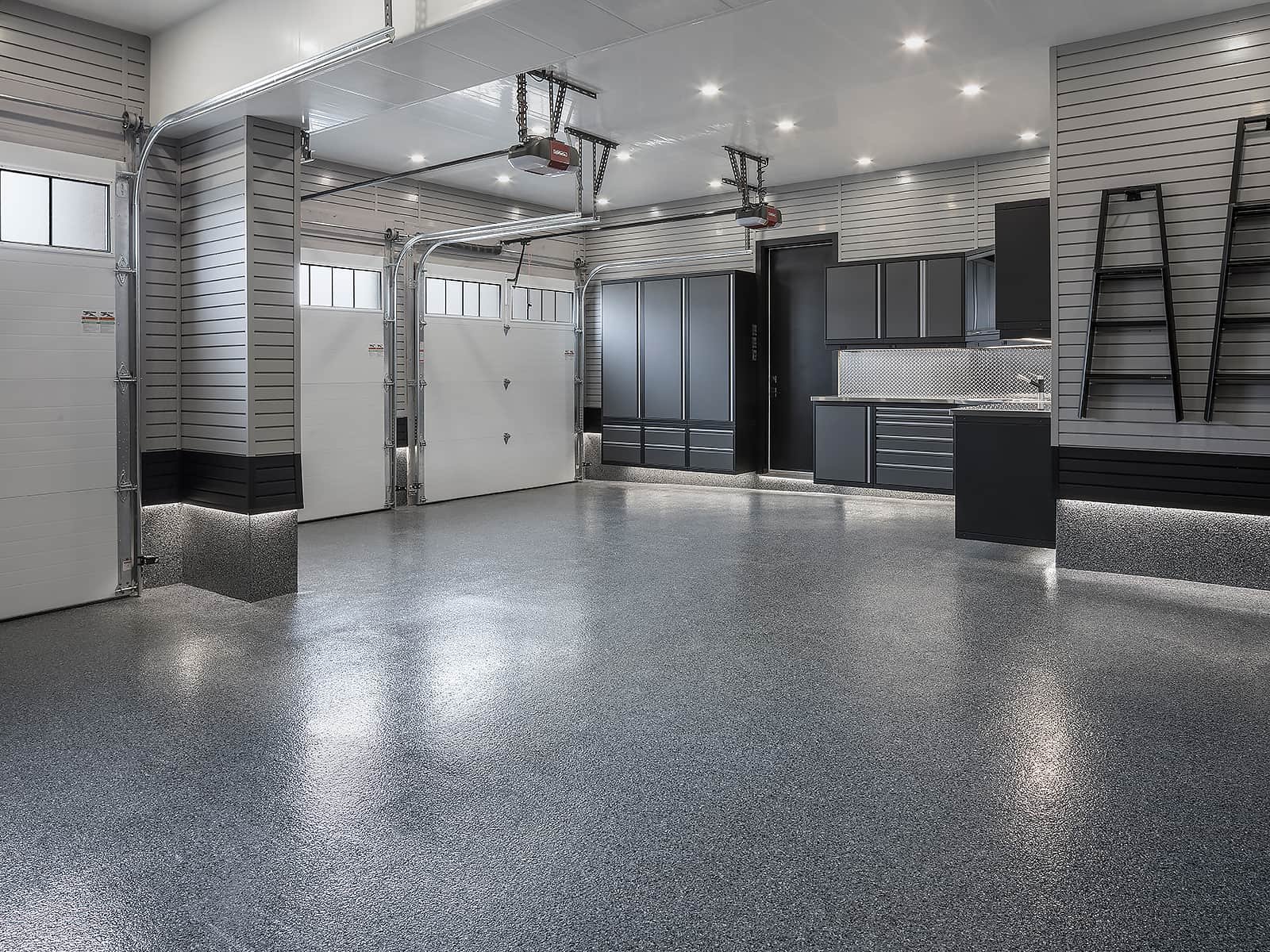
Higher resale value reflects that buyers recognize quality garage spaces as desirable. A showroom-quality garage floor signals that the homeowner maintains the property carefully.
That impression influences overall property perception and buyer willingness to pay. Real estate agents consistently note that upgraded garages help properties move faster and command higher prices.
That financial return often justifies coating investment purely from real estate appreciation perspective, before even considering daily usage benefits.
Better lighting works because sealed glossy surfaces reflect light more effectively than dull concrete. A coated garage naturally feels brighter and more welcoming than an uncoated one even with identical lighting fixtures.
That improved brightness makes the space more functional and more pleasant. People spend more time in garages they enjoy, which increases likelihood of maintenance and organization.
Better lighting and improved aesthetics together transform garage perception from utility space into something worth caring for.


Conclusion
Simple upgrades can redefine spaces in ways that feel disproportionate to effort and cost.
Garage floor coatings represent that kind of upgrade where the visual transformation, functional improvement, and long-term protection all align into one relatively straightforward investment.
The rise of garage floor coatings as functional design investments reflects that homeowners increasingly recognize garages as valuable spaces worth upgrading.
What started as purely industrial coating technology has evolved into consumer-focused systems that deliver both beauty and durability.
Modern garage floor coatings perform well for years while looking dramatically better than the concrete they cover.
That combination of performance and appearance explains why homeowners view coating investment as worthwhile rather than frivolous.
Transform your garage from tired concrete to showroom quality in one weekend. The process is straightforward, the results are dramatic, and the benefits compound over years.
Choose quality coatings from professional installers and you’ll spend the next decade enjoying a garage that looks like you maintained it carefully.
That’s the real promise of garage floor coatings.