Last Updated on August 11, 2026 by Rosslyn Tebbutt
In the world of interior design, it’s often the smallest details that make the biggest impact.
Among these understated elements, interior doorknobs hold a special place — both functional and decorative, they can subtly elevate the overall tone of a room or introduce a touch of charm, character, or even boldness.
While cabinets and handles often get the spotlight, it’s time to give doorknobs their well-deserved moment.

Why Doorknobs Deserve More Design Attention
Interior doors are some of the most frequently used features in any home, yet the knobs and handles we interact with daily are often overlooked during renovations or styling.
Upgrading a doorknob is a small change with a lasting impact — much like adding a fine piece of jewelry to a classic outfit.
Doorknobs have a way of quietly anchoring a design theme, reinforcing the home’s overall aesthetic.
Whether you’re channeling vintage character, mid-century simplicity, or contemporary elegance, the right knob can complete the look with ease.


Traditional Craftsmanship Meets Modern Style
While many modern fittings are hollow or mass-produced, there’s a growing appreciation for door hardware made the traditional way — from solid, weighty materials such as brass or bronze.
These knobs offer more than just durability — they bring warmth, texture, and history into a space.
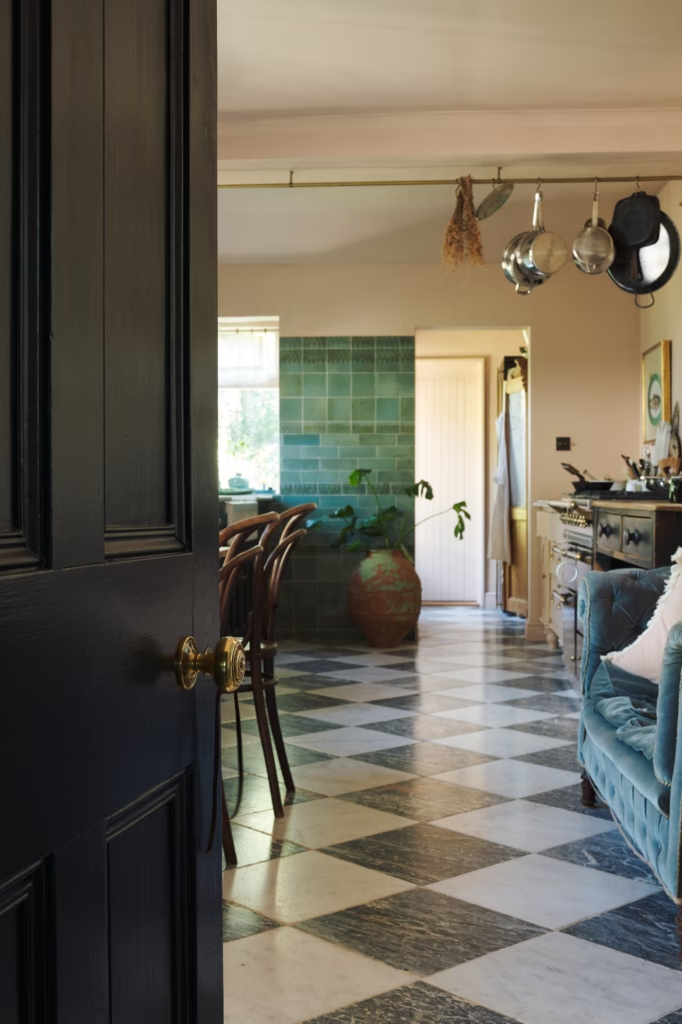
One beautiful example is the Romilly Doorknob by deVOL, a hand-finished brass design with a delicate bronze button detail — a subtle contrast that highlights craftsmanship without overwhelming the eye.
Solid brass knobs, in particular, have stood the test of time for good reason. They’re tactile, they age beautifully, and they feel reassuringly substantial in the hand.
When paired with subtle contrasting elements — like a bronze cap or aged patina — they offer an added layer of sophistication that makes a statement without overpowering.


Doorknobs as Decorative Accents
A well-chosen doorknob can act as a decorative focal point in minimalist or neutral spaces.
Think of them as the final flourish — a way to showcase your taste through understated yet thoughtful details.
For example:
- A brushed brass knob adds warmth to modern white interiors.
- Blackened metal finishes give a sleek, industrial edge to contemporary rooms.
- A crystal or glass knob introduces vintage flair to a period property.
- Textured or hand-forged finishes complement rustic, farmhouse, or organic aesthetics.
Vintage Inspiration, Contemporary Application
There’s something undeniably romantic about an old door paired with a beautifully polished knob — chipped paint, faded lacquer, and the passage of time softened by a gleaming, carefully crafted fitting.
That blend of old and new creates visual interest and depth in interior design.
Many designers are revisiting the Victorian approach to hardware, where door fittings were intentionally ornate, often symbolic of status and style.
Today’s interpretations lean more minimalist but retain that same focus on quality and design intent.


When and Where to Use Statement Doorknobs
Statement doorknobs aren’t limited to main doors — they shine in:
- Bedroom and bathroom doors for a touch of everyday luxury
- Home offices or guest rooms, where small details leave lasting impressions
- Closets and pantry doors, where architectural hardware enhances otherwise overlooked spaces
They also work brilliantly in new builds that need character, or in restoration projects where maintaining historical authenticity is key.
What to Look for in a Quality Doorknob
When shopping for door hardware, keep these features in mind:
- Material: Solid brass, bronze, or steel — avoid lightweight, hollow options.
- Finish: Polished, aged, brushed, or lacquered — choose one that complements your fixtures and fittings.
- Fit: Check for custom spindles or compatibility with your door thickness and latch system.
- Design: Look for elegant proportions and subtle details that feel timeless rather than trendy.


Conclusion: A Small Upgrade With Lasting Results
The right interior doorknob can transform a door from purely functional to quietly beautiful.
Whether you’re updating a single room or doing a whole-home renovation, don’t underestimate the power of quality fittings.
They bring a tactile experience to your daily life — one that feels intentional, grounded, and uniquely yours.
So next time you’re styling a room, remember: a well-made doorknob might just be the finishing touch that ties everything together.