Last Updated on August 11, 2026 by Rosslyn Tebbutt
Modern interior design is all about clean lines, simplicity, and functionality.
Rooted in the early 20th century, this design style embraces open spaces, minimalism, and innovative materials to create homes that feel sleek, sophisticated, and highly functional.
If you’re looking to revamp your space with a contemporary and stylish touch, this guide will help you master the modern interior design style.

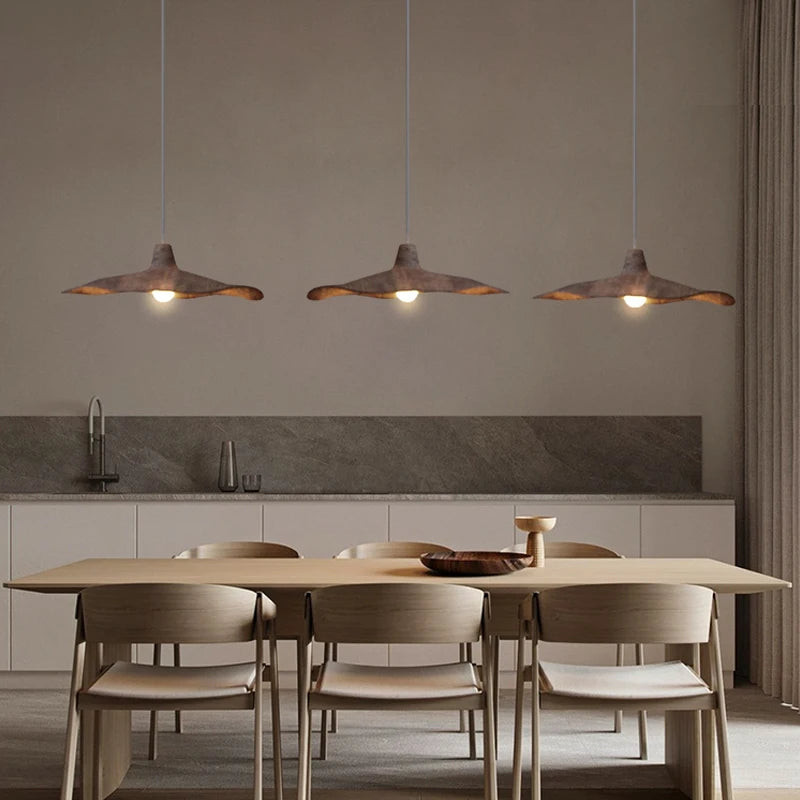

What Is Modern Interior Design?
Modern interior design focuses on simplicity, clean lines, and a clutter-free environment. It emerged in the early 1900s as a reaction against ornate, traditional styles, emphasizing practicality and efficiency.
This design style is often confused with contemporary design, but while contemporary trends change over time, modern design is rooted in a defined aesthetic that prioritizes minimalism, neutral tones, and a seamless blend of natural and industrial materials.


Key Elements of Modern Interior Design
1. Neutral and Monochromatic Color Palette
Modern interiors favor a neutral color palette with shades of white, gray, black, and earth tones.
These colors create a timeless and sophisticated backdrop, allowing furniture and architectural details to stand out.
To add depth and contrast, bold accents in black, navy, or jewel tones can be used strategically through furniture, artwork, or textiles.
2. Clean Lines and Minimalist Aesthetic
A defining feature of modern design is its emphasis on clean, straight lines and geometric shapes.
Furniture, architecture, and decor maintain a sleek and uncluttered look, avoiding intricate detailing or excessive ornamentation.
Sharp edges, smooth surfaces, and a streamlined layout help create a space that feels open and refined.
3. Open Floor Plans
Modern interiors prioritize spaciousness and functionality, often incorporating open-concept layouts.
Living rooms, kitchens, and dining areas flow seamlessly into one another, enhancing natural light and promoting an airy atmosphere.
Large windows, sliding glass doors, and minimal partitions help maintain a sense of openness throughout the home.
4. Functional and Sleek Furniture
Modern furniture is characterized by its simplicity and functionality.
Pieces are designed with sleek, low-profile forms, smooth surfaces, and high-quality materials such as metal, glass, and polished wood.
Furniture in modern spaces is chosen for both aesthetics and practicality, avoiding unnecessary embellishments while maximizing comfort and usability.
5. Industrial and Natural Materials
A mix of natural and industrial materials is a key element of modern interior design. Expect to see wood, stone, concrete, glass, and steel used in a balanced way.
Wood floors, stone countertops, metal accents, and glass partitions add texture and interest while maintaining the modern style’s clean and polished look.
6. Large Windows and Natural Light
Natural light is an essential component of modern interiors. Large, unobstructed windows allow light to flood into the space, creating a bright and open ambiance.
Minimal window treatments, such as sheer curtains or simple blinds, enhance the natural lighting effect and maintain the clean aesthetic.
7. Minimal Decor and Statement Pieces
Modern interior design embraces a “less is more” philosophy when it comes to decor. Spaces are kept uncluttered, with a few carefully chosen statement pieces adding character and personality.
Abstract artwork, sculptural lighting, and sleek furniture pieces serve as focal points without overwhelming the overall design.
8. Smart Technology Integration
Modern homes often incorporate cutting-edge technology to enhance convenience and functionality.
Smart lighting, automated window treatments, and built-in sound systems seamlessly integrate with the clean aesthetic.
Technology is designed to be discreet and user-friendly, blending into the space without disrupting the minimalist appeal.
9. Modern Kitchen Design
Modern kitchens focus on streamlined cabinetry, clean countertops, and high-tech appliances.
Handleless cabinets, glossy or matte finishes, and integrated storage solutions help maintain a sleek and uncluttered look.
Neutral color palettes dominate modern kitchens, with materials like quartz, stainless steel, and glass adding sophistication and durability.
10. Modern Bathroom Elements
Modern bathrooms are designed with simplicity and relaxation in mind. Floating vanities, frameless glass showers, and monochromatic color schemes create a spa-like ambiance.
Minimal hardware, sleek fixtures, and the use of natural materials like stone or wood contribute to a clean and luxurious feel.
11. Textiles and Soft Furnishings
Although modern design leans towards minimalism, textiles play an essential role in adding warmth and comfort.
Plush area rugs, soft cushions, and upholstered furniture in neutral tones balance the hard surfaces and clean lines.
Simple, high-quality fabrics such as linen, wool, or cotton ensure comfort while maintaining the modern aesthetic.
12. Modern Outdoor Living Spaces
Modern design extends to outdoor spaces, with sleek furniture, minimalist landscaping, and functional layouts creating a seamless transition between indoor and outdoor living.
Concrete patios, wooden decks, and glass railings contribute to a clean and contemporary exterior look.


How to Achieve the Modern Look
Start with a Neutral Base
Choose a neutral color scheme with whites, grays, and earthy tones to create a timeless and cohesive foundation.
Incorporate Sleek and Functional Furniture
Opt for furniture with clean lines, minimal ornamentation, and practical features that maximize comfort and functionality.
Focus on Open Spaces and Natural Light
Keep spaces open and airy by embracing an open-concept layout and using large windows to enhance natural light.
Use High-Quality, Mixed Materials
Blend natural and industrial materials like wood, metal, and glass to add texture and visual interest while maintaining a sleek and modern aesthetic.
Minimize Clutter and Opt for Statement Decor
Choose a few bold, high-impact decor pieces instead of overcrowding your space with small accessories. Focus on quality over quantity.
Integrate Smart Technology
Consider incorporating smart home features like automated lighting, voice-controlled devices, and energy-efficient appliances to enhance modern living.


Conclusion
Modern interior design is all about balance—combining functionality with aesthetic appeal to create a space that is both stylish and practical.
By embracing clean lines, neutral tones, and high-quality materials, you can transform your home into a modern masterpiece that feels open, elegant, and inviting.
Looking for more interior design inspiration? Explore our blog for additional design styles and home decor ideas!