Last Updated on August 11, 2026 by Rosslyn Tebbutt
Rustic interior design embraces warmth, comfort, and the beauty of natural materials.
Rooted in simplicity and a connection to nature, this style blends rugged textures, earthy tones, and handcrafted elements to create inviting spaces.
Whether you live in a countryside retreat or a modern home, incorporating rustic decor can bring a sense of coziness and timeless charm.
This guide will help you achieve the rustic look with ease.


What Is Rustic Interior Design?
Rustic design is inspired by nature, focusing on organic materials, a neutral color palette, and unrefined textures. It emphasizes authenticity, with furniture and decor that showcase craftsmanship and raw beauty.
This style draws influences from farmhouse, cabin, and industrial aesthetics, making it a versatile choice for any home.


Key Elements of Rustic Interior Design
Natural Materials
Rustic interiors prioritize raw, organic materials such as wood, stone, and metal. Exposed wooden beams, reclaimed wood furniture, and stone fireplaces add warmth and character to the space.
Earthy and Neutral Color Palettes
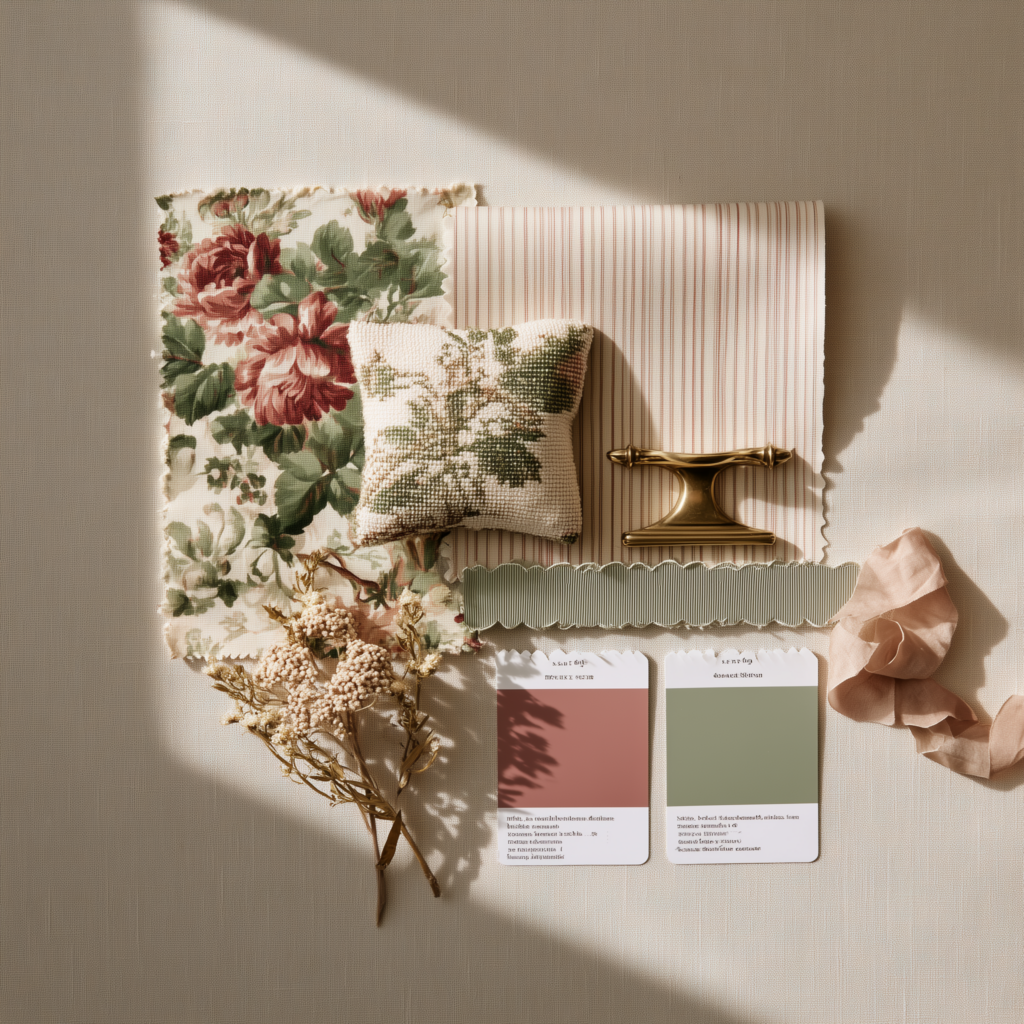
Soft, muted tones inspired by nature define the rustic color scheme. Shades of beige, brown, gray, and cream create a warm and welcoming ambiance, while accents of deep green, burnt orange, or navy add depth.
Textured and Handcrafted Elements
Rustic decor celebrates imperfections and craftsmanship. Woven textiles, distressed finishes, and handmade pottery contribute to the lived-in, cozy feel of the space.
Cozy and Inviting Furniture
Furniture in rustic interiors is often sturdy and functional, featuring natural wood finishes and plush upholstery. Oversized sofas, wooden dining tables, and distressed cabinets enhance the comfortable atmosphere.
Exposed Beams and Architectural Features
Exposed wooden beams, stone walls, and reclaimed barn doors add an authentic rustic touch. These architectural details highlight the beauty of natural materials.
Layered and Organic Textiles
Soft textiles such as wool, linen, and cotton enhance the rustic aesthetic. Layered rugs, chunky knit blankets, and patterned cushions introduce texture and warmth.
Vintage and Repurposed Accents
Rustic design incorporates antique and repurposed pieces that add character and history. Vintage trunks, weathered lanterns, and old wooden crates contribute to the charm of the space.


How to Achieve the Rustic Look
Use Natural and Reclaimed Materials
Opt for furniture and decor made from reclaimed wood, stone, or wrought iron. Incorporate natural textures to add authenticity to your space.
Stick to an Earthy Color Palette
Choose warm, neutral tones that reflect the outdoors. Introduce pops of deep greens, blues, or rust-colored accents for a cozy contrast.
Incorporate Rustic Textures
Mix rough-hewn wood, distressed finishes, and woven fabrics to create a layered, inviting atmosphere. Pair soft textiles with hard materials like stone and metal for balance.
Choose Functional and Timeless Furniture
Select furniture pieces that are both stylish and practical. Go for handcrafted wooden tables, sturdy leather armchairs, and vintage-inspired decor.
Add Warm and Soft Lighting
Opt for soft, warm lighting with lantern-style fixtures, wrought iron chandeliers, or vintage sconces. Candles and table lamps with linen shades also enhance the cozy ambiance.


Conclusion
Rustic interior design is all about embracing nature, warmth, and simplicity.
Whether you’re decorating a cabin, a farmhouse, or a modern home with rustic touches, this style creates a cozy and timeless atmosphere.
By using natural materials, earthy tones, and vintage accents, you can effortlessly bring rustic charm into your home.
Looking for more interior design inspiration? Explore our blog for the latest trends and decorating ideas!