Last Updated on August 11, 2026 by Rosslyn Tebbutt
Modern living often demands more from less space.
Whether you’re in a compact city apartment or a cozy suburban home, finding balance between style, organization, and cleanliness can feel like an ongoing challenge.
Yet, the way you design, store, and maintain your home directly affects how calm and functional your space feels.
From smart storage systems to professional cleaning strategies, a few practical habits can turn even the smallest home into a well-curated sanctuary.

Reimagine Space: Design with Function in Mind
Before diving into deep cleaning or organizing marathons, take a step back and assess how your home flows. Many homeowners underestimate how much layout impacts cleanliness and order.
Open shelving, modular furniture, and built-in cabinetry can transform tight quarters into streamlined zones of purpose.
Start by decluttering surfaces; visual clutter often creates the illusion of less space. Embrace vertical storage: tall shelving units, over-door organizers, and hanging racks make use of forgotten areas while keeping everyday essentials within reach.
Floating shelves and foldable furniture, in particular, allow rooms to stay open and airy without sacrificing function.
It’s also worth considering how color and texture influence your sense of order.
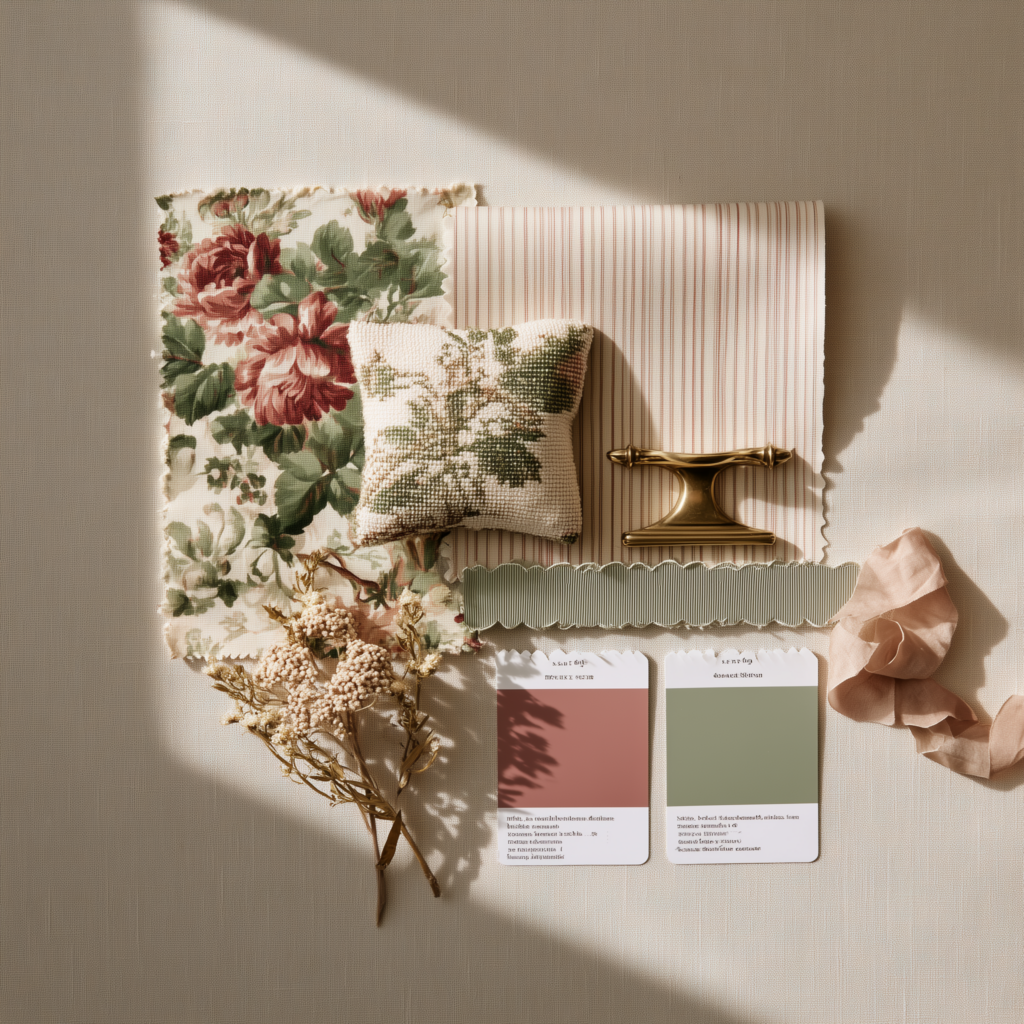
Lighter tones reflect natural light, making small rooms appear larger, while cohesive textures, wood, metal, and linen, create visual calm. In short, thoughtful design isn’t just aesthetic; it’s foundational to effortless upkeep.

Organize Smarter, Not Harder
Organization isn’t about owning less; it’s about giving everything a purpose. When storage systems align with how you live, maintaining them becomes second nature.
Begin with one area at a time, such as the entryway, kitchen, or closet, and ask whether the layout supports your daily routine.
Labeling bins, baskets, and drawers can drastically reduce decision fatigue. Group items by frequency of use: seasonal décor and keepsakes can be stored away, while daily-use items deserve accessible homes.
Homeowners who need off-site storage can benefit from finding reliable storage options nearby to ensure their belongings stay safe and well-organized.
From climate-controlled units to insurance coverage, selecting the right facility helps maintain peace of mind while maximizing space at home.
When your home is free from excess, cleaning naturally becomes easier. An organized environment minimizes hidden dust zones and reduces the visual noise that can make spaces feel smaller than they are.
Cleaning That Complements Design
Good design doesn’t just look beautiful; it’s easy to maintain. The best homes integrate cleaning considerations right into the design phase. Think: durable flooring, washable paint finishes, and clutter-free surfaces.
If you’re tackling upkeep on your own, set a routine that aligns with how you use your space. Daily 10-minute tidying sessions prevent weekend cleaning marathons, while eco-friendly multipurpose cleaners keep surfaces looking polished without harsh chemicals.
For those with demanding schedules or larger homes, enlisting professional house cleaning services can be transformative.
Expert cleaners not only handle deep cleaning tasks, like baseboards, ceiling fans, and grout, but also preserve the long-term condition of your finishes and fixtures.
A recurring service means you’ll spend less time scrubbing and more time enjoying the space you’ve thoughtfully designed.
The Role of Zones in Home Efficiency
Designating zones throughout your home encourages both organization and cleanliness. For instance, create a dedicated entryway drop zone with hooks, trays, and shoe storage.
This prevents clutter from spilling into your main living area. In the kitchen, a well-zoned pantry and clear counter space streamline cooking while keeping crumbs and spills to a minimum.
Even small bedrooms can benefit from this approach. A storage ottoman at the foot of the bed, under-bed bins, or built-in wardrobes reduce clutter while offering additional function.
The key is ensuring that everything, from your cleaning tools to your weekend essentials, has a designated home.
By designing with zones in mind, you make your home self-sustaining: every object has its place, and maintaining order becomes almost effortless.
Sustainable Cleaning and Storage Practices
Sustainability isn’t just a design trend; it’s a mindset that blends aesthetics, health, and environmental responsibility.
Choosing natural cleaning products reduces toxins in the home and prolongs the life of your materials. Bamboo cloths, refillable spray bottles, and compostable sponges are small swaps that have a lasting impact.
When it comes to storage, consider investing in timeless, multi-functional pieces instead of disposable plastic bins.
Vintage baskets, fabric boxes, and wooden crates add warmth while serving a purpose. Repurposing what you already have, such as glass jars for pantry items or old suitcases for seasonal clothing, also cuts down on waste.
Minimalism and sustainability go hand-in-hand: the fewer items you own, the easier it is to care for your home responsibly.

Designing for Easy Maintenance
Some design choices can make or break your ability to maintain a tidy home. Opt for finishes and materials that age gracefully.
Matte paint hides fingerprints, while quartz countertops resist stains and require minimal upkeep. In bathrooms, frameless shower enclosures reduce mold-prone crevices, and large-format tiles cut down on grout lines.
Lighting plays a role, too; natural light not only enhances mood but also reveals areas that need attention. Smart lighting systems with adjustable warmth settings make rooms feel cleaner and more inviting at all times of day.
If possible, integrate hidden storage in your renovation plans. Built-in cabinets, wall-mounted vanities, and recessed shelving keep clutter tucked away.
These subtle design details don’t just look refined; they make your cleaning routine significantly easier.
The Psychology of Clean, Organized Spaces
A clean, well-organized home doesn’t just improve aesthetics; it influences your mental well-being. Research consistently links tidy environments with lower stress levels, improved focus, and even better sleep quality.
When your surroundings are orderly, your mind feels more at ease. It’s no coincidence that professional organizers and interior designers often speak about the emotional impact of space.
Clean countertops, neatly folded linens, and balanced décor encourage a sense of control and clarity.
If you find yourself constantly resetting your home, consider whether your systems are sustainable. Sometimes, investing in outside help or additional storage is less about luxury and more about self-care.

How to Keep the Momentum Going
Creating a beautiful, organized home is only half the battle; the key is consistency. Try these small but effective habits to maintain the balance:
- Adopt the one-minute rule. If a task takes less than a minute (like hanging a coat or wiping a counter), do it immediately.
- Rotate deep-cleaning zones. Focus on one area per week to prevent overwhelm.
- Purge with purpose. Every few months, evaluate what you own. Donate, sell, or store anything that doesn’t fit your current lifestyle.
- Automate where possible. Robot vacuums, scheduled reminders, and recurring cleaning services ensure upkeep doesn’t fall behind.
- Celebrate progress. Take a photo of your organized closet or refreshed living room. Visual reminders reinforce positive habits.
Blending Design and Daily Living
The most successful homes are those that blend aesthetics with practicality. You don’t need endless square footage to create a sanctuary, just intentional design, smart storage, and a rhythm of upkeep that fits your lifestyle.
When your home supports your habits rather than hinders them, everything feels lighter. You’ll move through your day with ease, your surroundings calm and cohesive.
And in the end, that’s what great design is all about, spaces that look good, feel good, and work beautifully behind the scenes.
By combining thoughtful design with functional systems, like organized storage solutions and professional maintenance, you’ll create a home that’s both elegant and easy to manage.
Clean doesn’t have to mean clinical, and organized doesn’t have to mean rigid. With a few mindful adjustments, your living space can become a true reflection of balance: visually stunning, effortlessly functional, and uniquely yours.