Last Updated on August 11, 2026 by Rosslyn Tebbutt
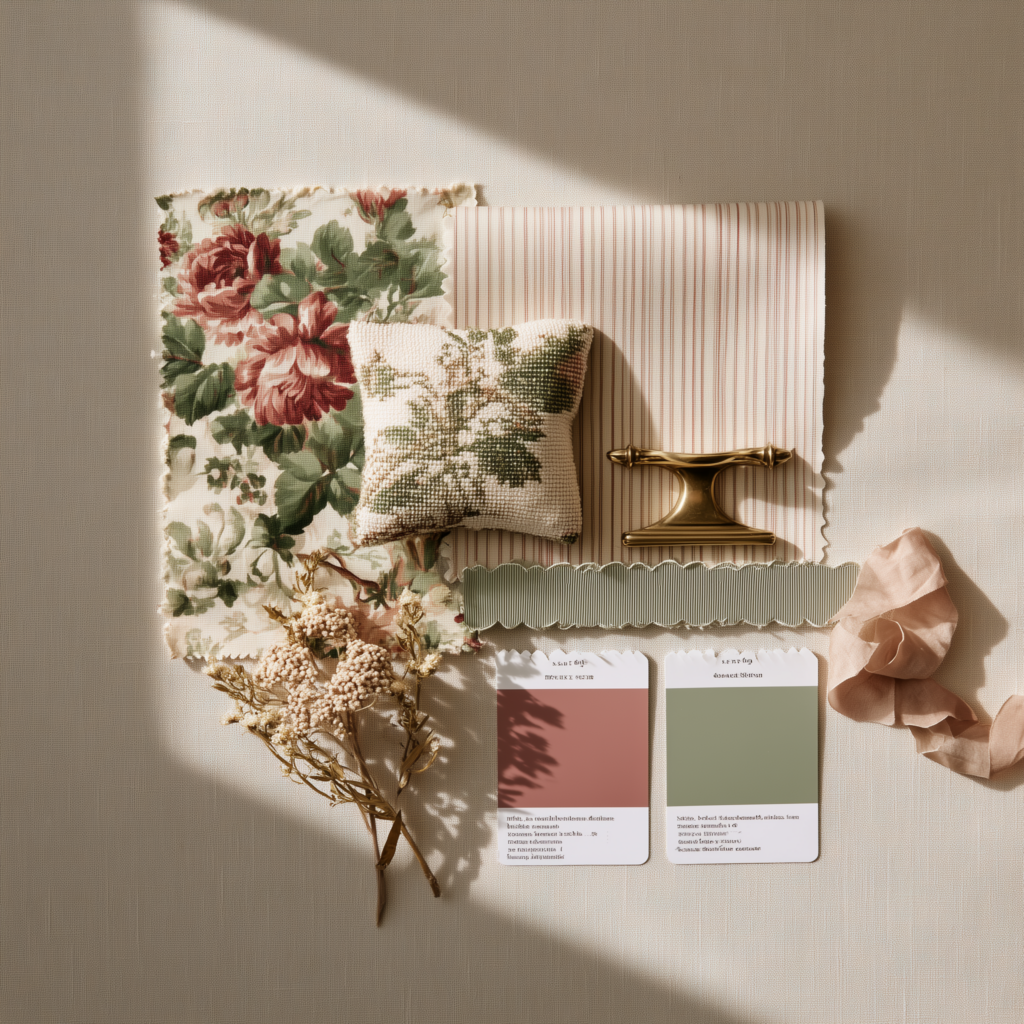
Great interiors are rarely built around a single statement piece. Instead, they emerge from layers — materials, textures, colours, and objects that work together to tell a story.
While furniture defines function, it’s often the smaller, carefully chosen elements that give a space its emotional depth.
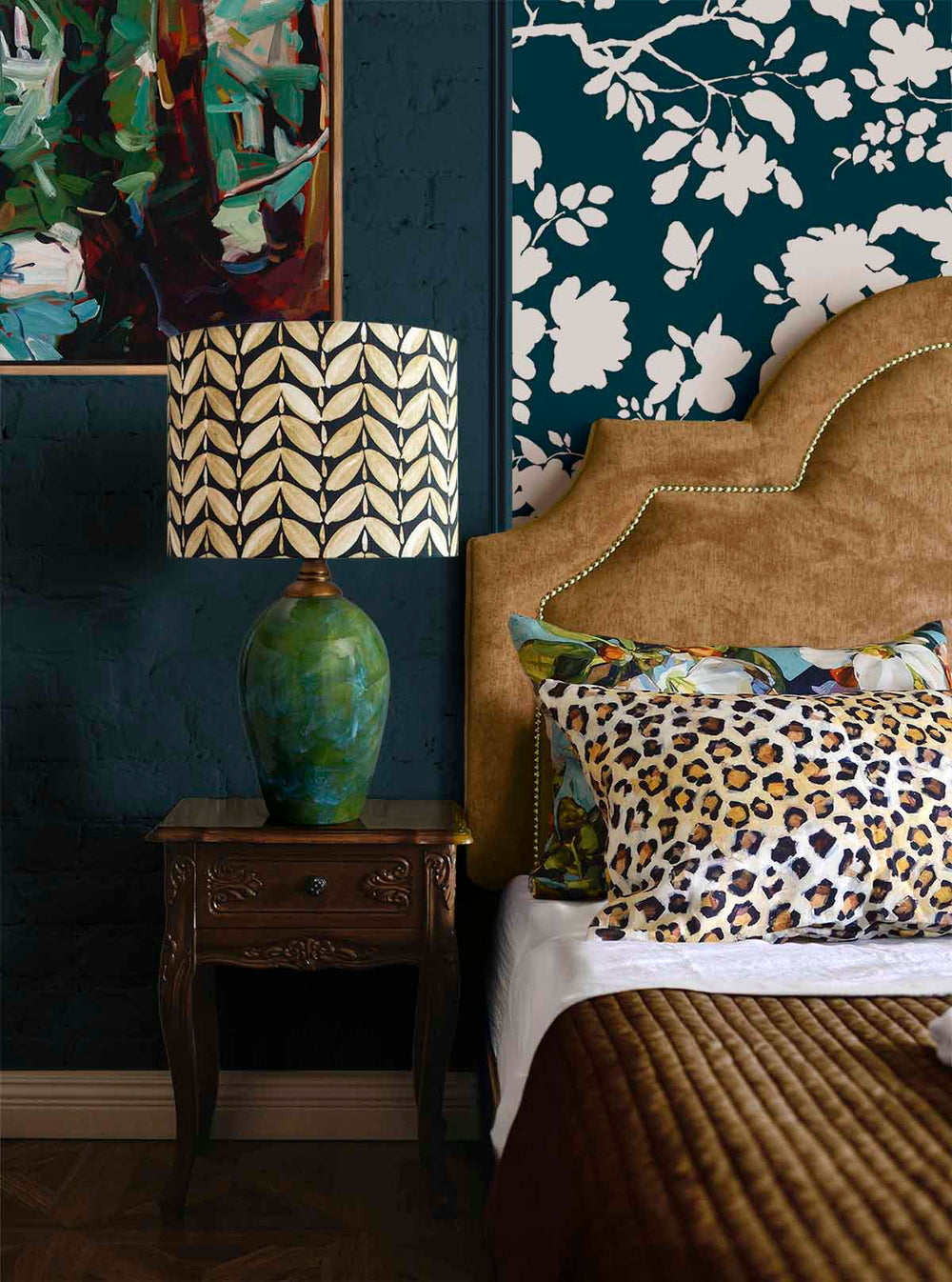
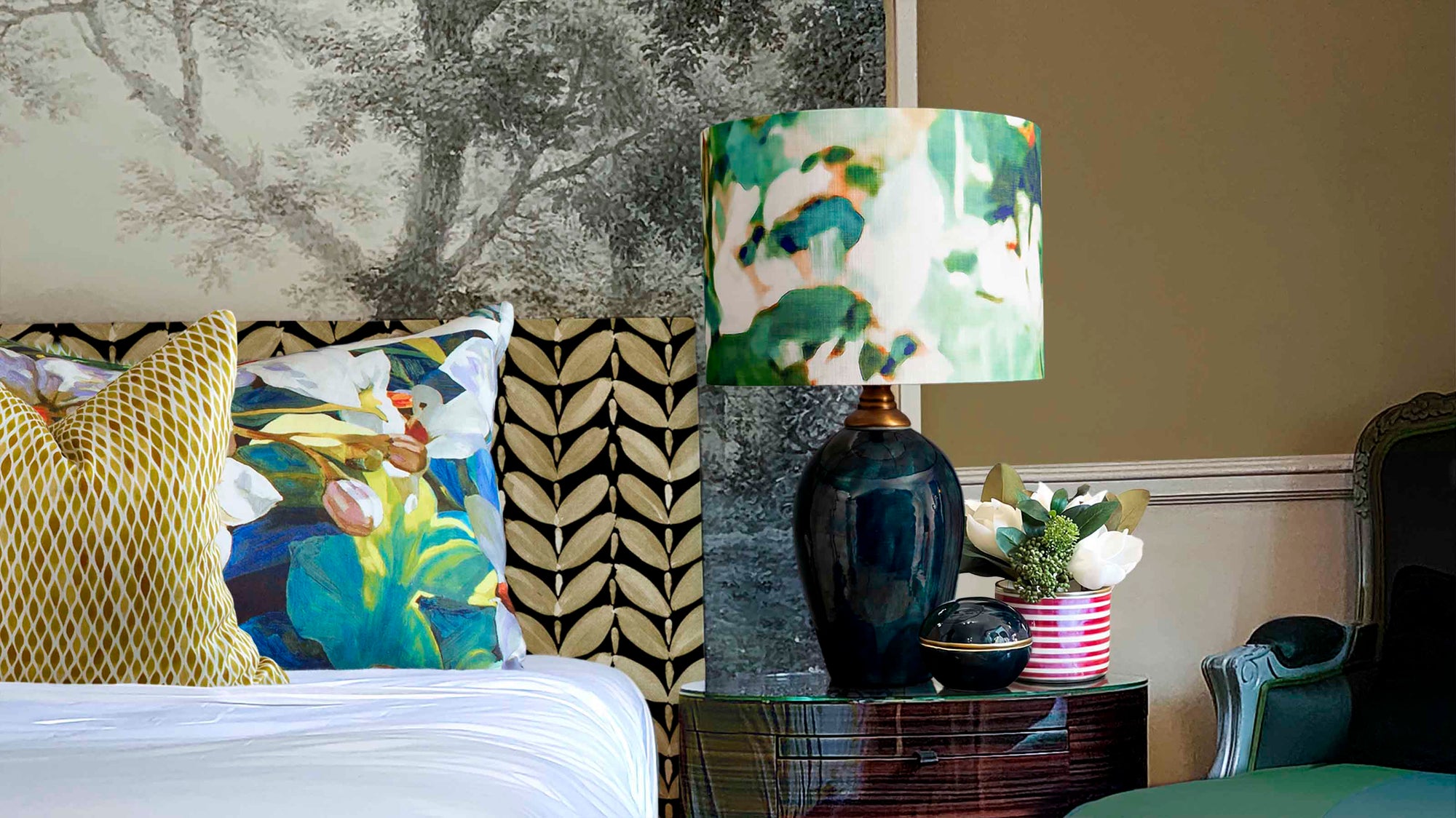
Cushions, textiles, art pieces, and handcrafted objects act as visual punctuation. They soften architectural lines, introduce warmth, and bring a sense of individuality that can’t be replicated through mass-produced décor alone.
This is why designers and homeowners increasingly turn to design-led homewares and art collections from Bowerbird when curating interiors that feel considered rather than staged.
The Power of Layering in Interior Design
Layering is one of the most effective ways to create visual interest without overwhelming a space. It allows a room to evolve organically, rather than feeling “finished” all at once.
Some of the most impactful layers include:
Textiles that add softness and movement
Art that introduces narrative and personal connection
Objects with tactile qualities that invite interaction
Natural materials that age gracefully over time
When these elements are chosen thoughtfully, they help balance scale and proportion while adding subtle complexity.

Why Handcrafted Details Matter
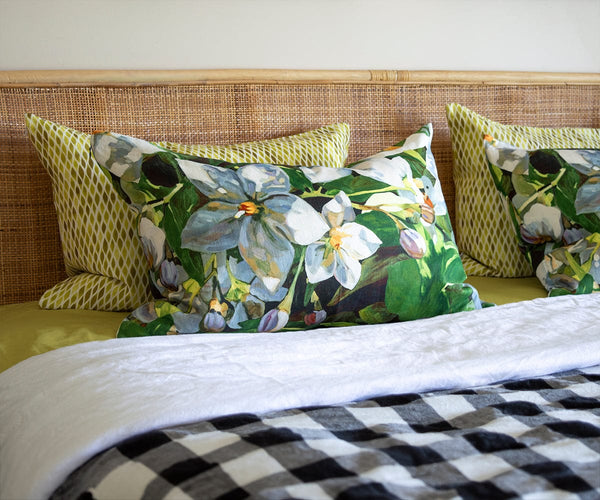
Handcrafted pieces bring an authenticity that machine-made items often lack. Variations in texture, form, and finish give each object character — a reminder that design is as much about feeling as it is about appearance.
In contemporary interiors, these details play an important role. They counteract overly polished surfaces and introduce a sense of calm, making spaces feel lived-in rather than showroom-perfect.
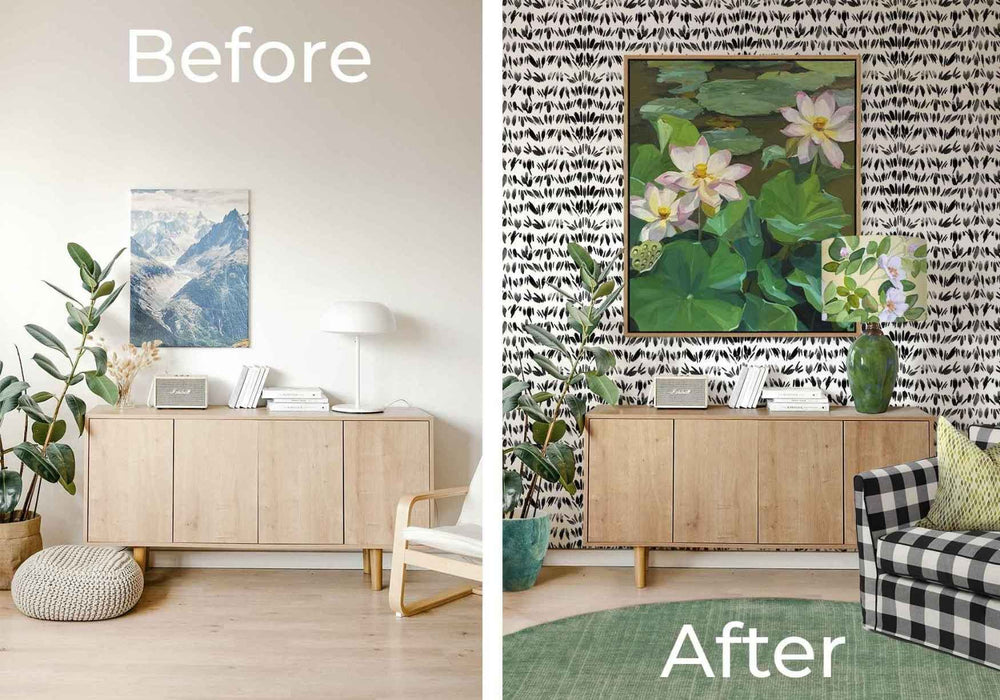
Creating Cohesion Without Uniformity
One common misconception in interior styling is that everything must match. In reality, the most engaging spaces are cohesive without being uniform.
Cohesion comes from:
Repeating tones rather than exact colours
Mixing materials with complementary textures
Balancing bold elements with quieter details
Curated collections that focus on harmony rather than duplication make it easier to build spaces that feel personal and layered over time.

Objects as Storytellers
Every home tells a story. The objects within it reflect values, memories, and creative choices. Art and décor sourced with intention can connect a space to its surroundings, its makers, or its cultural influences.
Rather than filling rooms quickly, many designers now prefer to curate gradually — allowing pieces to be discovered, collected, and placed with purpose. This approach results in interiors that feel timeless rather than trend-driven.
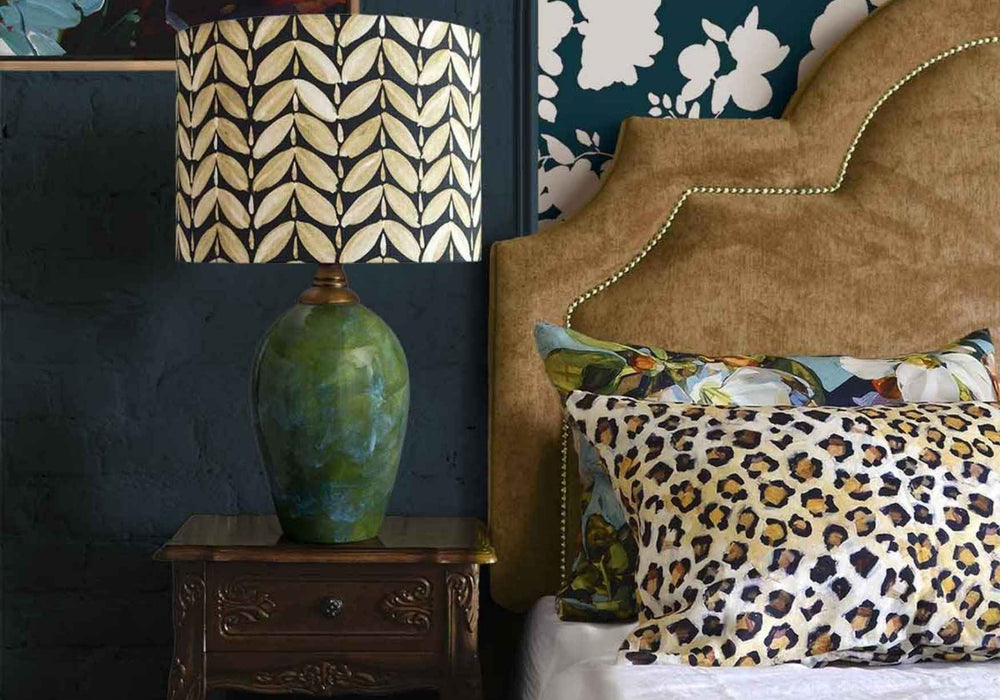
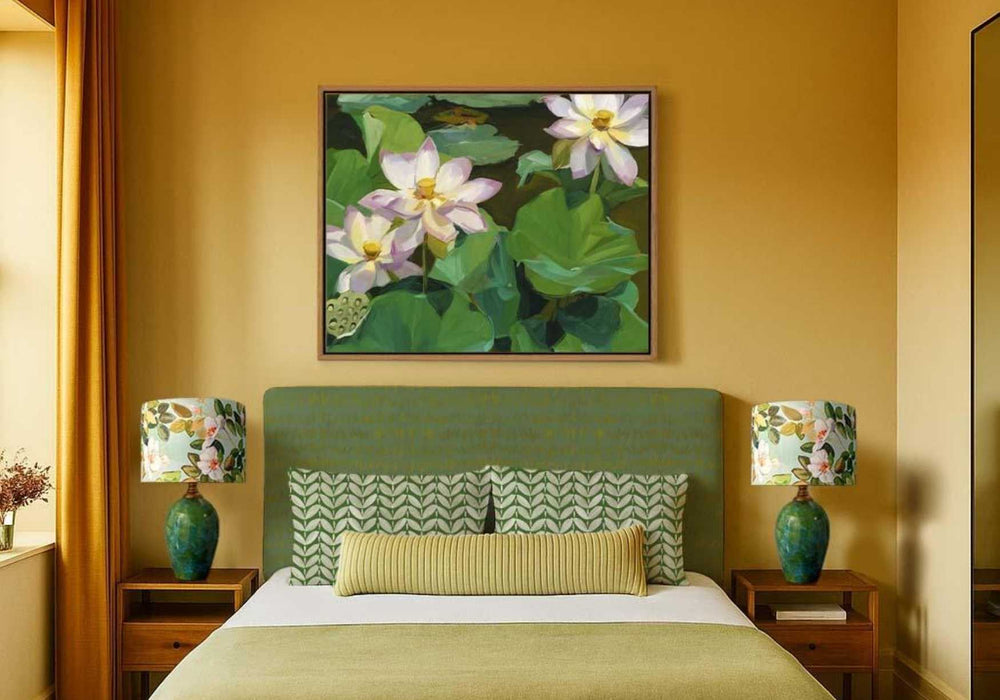
Designing Spaces That Feel Human
At its best, interior design supports how people live, rest, and gather. Thoughtful objects don’t compete for attention; they contribute quietly to comfort, balance, and atmosphere.
By focusing on quality, craftsmanship, and layered detail, interiors become more than visually pleasing — they become places people genuinely enjoy spending time in.