Last Updated on August 11, 2026 by Rosslyn Tebbutt
Contemporary interior design is all about embracing the now—bringing modern, sleek, and dynamic elements into your living spaces.
It’s constantly evolving, focusing on clean lines, open spaces, and functional design.
If you’re looking to update your home and infuse it with a fresh, modern touch, this guide will help you understand the core principles of contemporary style and how to achieve the perfect look.


What Is Contemporary Style?
Contemporary design is often confused with modern design, but they aren’t the same.
While modern design refers to a specific period—mostly from the early to mid-20th century—contemporary style represents what is current today.
Contemporary interiors prioritize clean lines, minimalism, and functionality.
It’s a design aesthetic that’s fluid, adaptable, and ever-changing, incorporating trends, technology, and materials that are relevant to the present day.
The beauty of contemporary style is its versatility.
It takes inspiration from multiple design eras, including modern, minimalist, and even mid-century styles, creating a balanced and timeless space that feels up-to-date without being trend-driven.


Key Elements of Contemporary Design
Neutral and Muted Color Palette
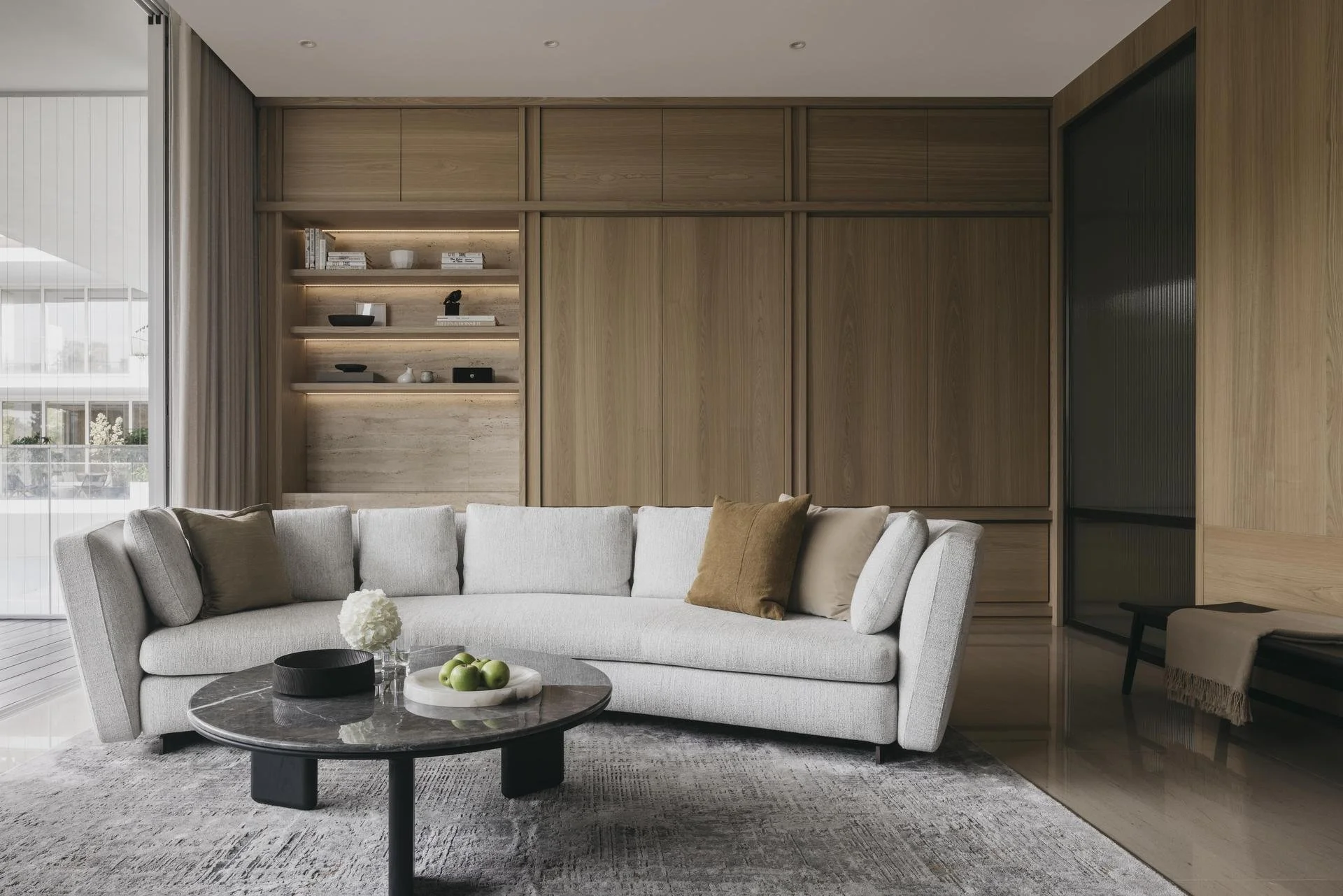
Contemporary interiors often rely on neutral tones as their base, with shades like white, gray, beige, and taupe providing a clean backdrop.
The goal is to create a sense of serenity and sophistication, making the space feel open and expansive.
Bright colors may be introduced in small doses—through artwork, cushions, or accent walls—but the overall mood remains calm and restrained.
Open Floor Plans
One of the defining characteristics of contemporary design is an open floor plan that maximizes space and flow.
This design approach encourages natural light to fill the room, creating a spacious and airy atmosphere.
By removing unnecessary walls and barriers, the layout feels more fluid and flexible, allowing the design to evolve with the way you use your space.
Clean Lines and Simple Shapes
The hallmark of contemporary design is simplicity, with clean lines, sharp angles, and geometric shapes defining furniture, architecture, and decor.
Furniture tends to be streamlined and minimal, with an emphasis on form and function.
Look for uncluttered pieces, with simple frames and smooth surfaces.
Functional and Comfortable Furniture
While contemporary furniture is often minimalist in style, it’s not about sacrificing comfort.
The key is balance—furniture that is stylish but still practical for everyday living.
Consider modular sofas, angular coffee tables, and sleek storage units that also provide utility.
The pieces should feel effortless but offer high performance and comfort.
Use of Natural Light
Contemporary interiors embrace natural light, with large windows and open spaces designed to let sunlight flood the room.
This enhances the sense of openness and connection with the outside environment.
When daylight is limited, mirrors and reflective surfaces can be strategically placed to help bounce light throughout the space, ensuring it feels bright and welcoming.
Materials and Finishes
Contemporary design incorporates a variety of materials, often mixing textures for added depth and contrast. Common materials include glass, steel, wood, and concrete.
Glass is used extensively for windows, partitions, and table tops, contributing to the light, open feel.
Steel adds an industrial edge, while natural wood adds warmth to the space.
Concrete and stone bring an urban vibe to the design.
Minimalist Decor
In contemporary design, less is more. Decor items are kept to a minimum, with each piece carefully chosen to enhance the space without overcrowding it.
Artwork, sculptures, and accessories should be purposeful and statement-making, adding personality without overwhelming the clean aesthetic.
Technology Integration
Contemporary interiors seamlessly incorporate technology, using smart home devices, wireless systems, and high-tech appliances that blend into the environment.
From smart lighting to built-in sound systems, technology is integrated in ways that enhance both the functionality and style of the space.
Statement Lighting
Lighting is an essential element of contemporary design, and it often serves as both a functional and decorative feature.
Sleek pendant lights, track lighting, and floor lamps with bold, geometric shapes are popular choices.
Lighting fixtures are often used to create focal points and illuminate specific areas of the room.
Open Shelving and Storage
Contemporary spaces prioritize functionality, and storage plays a significant role in maintaining the clean, clutter-free aesthetic.
Open shelving is often used to display decorative objects, while hidden storage solutions keep essential items out of sight.
Look for storage pieces that blend seamlessly into the design—such as built-in cabinets or floating shelves—to keep the space organized and streamlined.
Sustainable Design
Sustainability plays a key role in contemporary design, with an increasing focus on eco-friendly materials and energy-efficient solutions.
Think recycled materials, energy-saving appliances, and sustainable textiles that reduce the environmental footprint while still maintaining a stylish, modern look.
Indoor-Outdoor Flow
Contemporary design emphasizes the connection between interior and exterior spaces.
Large sliding doors, open terraces, and outdoor living areas create a seamless flow from inside to outside.
This connection helps bring nature indoors and extends the living space, creating an open, expansive feel.


How to Achieve the Contemporary Look
Start with Neutral Tones
Paint your walls in neutral shades like white, light gray, or beige to create a fresh, clean backdrop for your furnishings and decor.
These tones provide a calm foundation that allows you to play with texture, pattern, and accent colors, ensuring the space feels cohesive and inviting.
Opt for Minimalist Furniture
Choose furniture with simple, sleek lines that prioritize functionality and comfort.
Avoid overly ornate or fussy pieces, and look for multi-functional furniture that maximizes space and utility.
Think low-profile sofas, glass-topped coffee tables, and modern accent chairs with clean, geometric shapes.
Incorporate Natural and Industrial Materials
Mix natural elements like wood and stone with more industrial materials such as steel and glass to create a dynamic, balanced look.
This combination of warm and cool textures helps to create contrast while maintaining a contemporary vibe.
Focus on Open, Uncluttered Spaces
Maintain an open, airy feel by minimizing clutter and using clever storage solutions.
Incorporate open shelving and minimal accessories to keep the space feeling clean and organized.
Remember, contemporary design thrives on simplicity, so focus on keeping surfaces clear and highlighting only the essentials.
Embrace Smart Technology
Integrate technology into your home to improve both style and functionality.
Use smart lighting, built-in sound systems, and automated temperature controls to enhance your space.
Make sure these technological elements blend seamlessly into the design to maintain a modern, sophisticated aesthetic.


Conclusion
Contemporary interior design is all about embracing the present, blending function with style, and creating spaces that feel open, bright, and versatile.
By focusing on neutral colors, clean lines, and a mix of materials, you can create a home that feels modern, comfortable, and effortlessly chic.
Whether you’re renovating your current home or building a new one, incorporating contemporary design elements will help you craft a space that’s both stylish and practical.
Looking for more interior design inspiration? Explore our blog for more design styles and home decor tips!