Last Updated on June 12, 2026 by Rosslyn Tebbutt
Contemporary interior design is a dynamic style that reflects the present moment in design trends.
It is characterized by clean lines, open spaces, neutral color palettes, and a balance between form and function.
Unlike modern design, which refers to a specific period, contemporary style evolves with time, embracing new ideas and technologies.


Core Principles of Contemporary Interior Design
To successfully incorporate contemporary interior design into your home, it’s essential to understand its fundamental characteristics.
1. Simplicity and Clean Lines
Contemporary interiors emphasize uncluttered spaces with smooth surfaces and minimal ornamentation.
The focus is on essential elements, allowing each piece to stand out without overwhelming the room.
2. Neutral and Monochromatic Color Schemes
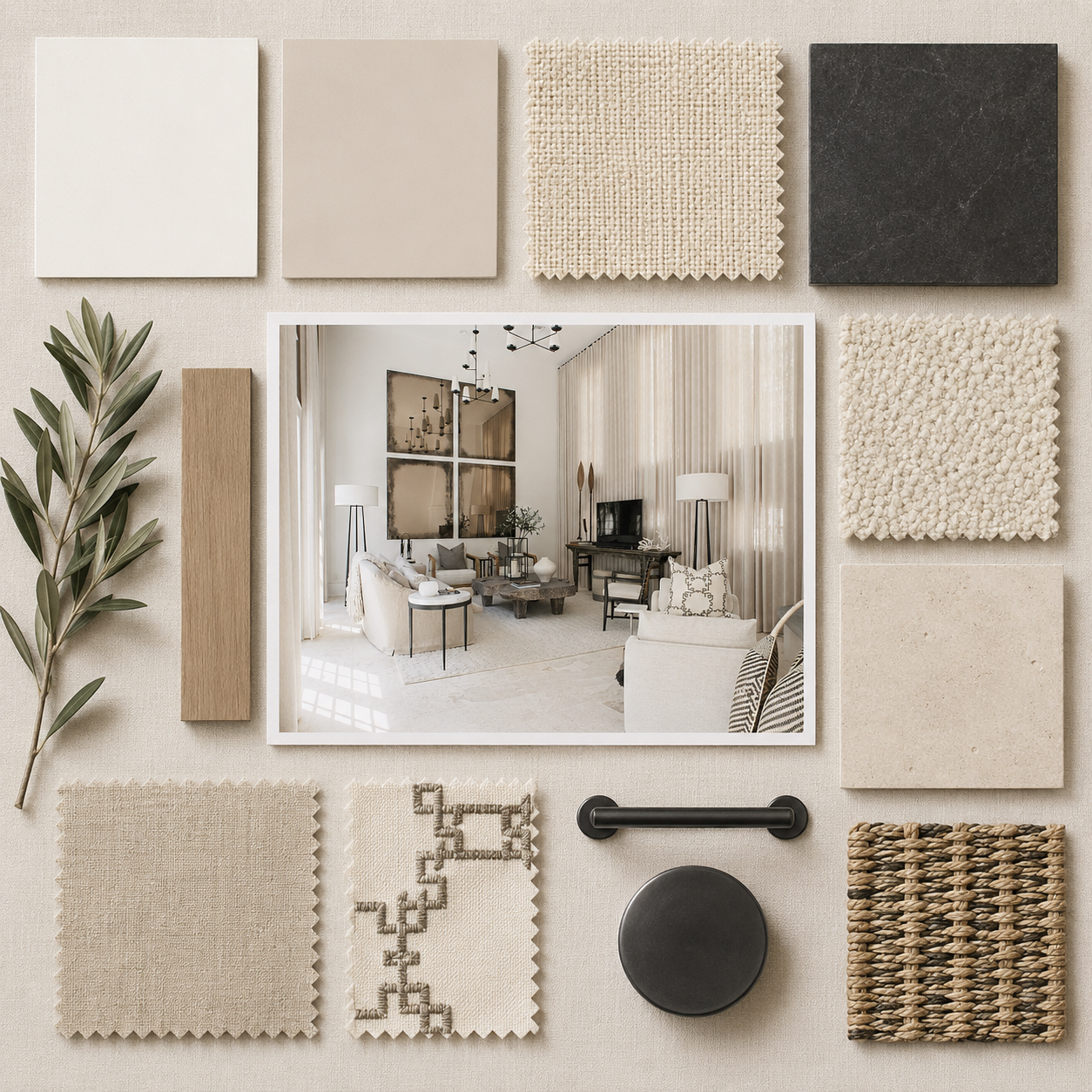
A contemporary color palette is often neutral, featuring shades of white, gray, beige, and black.
These colors create a sophisticated and timeless backdrop, allowing furniture and decor to take center stage.
3. Open and Airy Spaces
Open floor plans are a hallmark of contemporary design.
By removing unnecessary partitions, natural light can flow freely, enhancing the sense of space and creating a seamless transition between different areas of the home.
4. Use of Natural Light
Large windows, skylights, and glass doors maximize natural light, making interiors feel bright and welcoming.
Sheer window treatments or no curtains at all help maintain an airy and open atmosphere.
5. Functional and Minimalist Furniture
Contemporary furniture features clean, sleek lines with a focus on function.
Pieces are often low-profile with smooth surfaces, avoiding excessive detailing or embellishments.
6. Thoughtful Use of Texture and Materials
To prevent contemporary interiors from feeling cold, designers incorporate a variety of textures.
Glass, metal, wood, leather, and stone add depth and warmth to the space.
7. Statement Lighting
Lighting in contemporary interiors is both functional and artistic.
Pendant lights, recessed lighting, and sculptural chandeliers serve as statement pieces while providing adequate illumination.
8. Artistic and Sculptural Elements
Contemporary interiors often feature bold artwork, geometric sculptures, and statement decor.
Abstract paintings and unique art installations add personality and visual interest.


Room-by-Room Contemporary Design Guide
Living Room
- Opt for a neutral color palette with pops of color through accent pieces.
- Choose sleek, modern furniture with simple silhouettes.
- Incorporate an open layout to encourage conversation and flow.
- Use statement lighting, such as oversized pendant lamps or recessed lighting.
- Add a large abstract painting or sculpture for a modern touch.


Kitchen
- Install flat-panel cabinetry in matte or high-gloss finishes.
- Use a monochrome color scheme with natural materials like stone countertops.
- Integrate stainless steel appliances for a sleek, modern feel.
- Choose minimalist bar stools and streamlined pendant lighting.


Dining Room
- Select a clean-lined dining table made of wood, glass, or metal.
- Pair it with upholstered or molded chairs for a refined look.
- Add a statement chandelier or linear pendant lighting above the table.
- Keep decor minimal, such as a sculptural centerpiece or a simple vase with fresh flowers.


Bedroom
- Opt for a platform bed with an upholstered or wooden headboard.
- Use a muted color palette with plush textiles for comfort.
- Incorporate simple, modern nightstands and built-in storage.
- Add a contemporary art piece or a stylish floor lamp for ambiance.


Bathroom
- Choose sleek floating vanities and frameless mirrors.
- Use natural materials like stone, concrete, or glass tiles.
- Install minimalist faucets and hardware in matte black or brushed nickel.
- Keep accessories minimal—opt for neatly arranged towels and a single decorative item.


Contemporary Lighting Guide
- Recessed Lighting: Provides a seamless, clean look with even illumination.
- Pendant Lights: Ideal for kitchens and dining areas, available in sculptural or simple designs.
- Floor Lamps: Tall, sleek designs with minimalistic appeal.
- Wall Sconces: Adds depth to walls and highlights architectural features.

Sustainability in Contemporary Design
- Use eco-friendly materials like bamboo, reclaimed wood, and recycled glass.
- Choose energy-efficient LED lighting.
- Opt for low-VOC paints and finishes.
- Incorporate sustainable furniture made from responsibly sourced materials.

DIY and Budget-Friendly Contemporary Decor Ideas
- Declutter Your Space: Keep only what’s necessary for a clean aesthetic.
- DIY Abstract Art: Create a minimalist painting to add a personal touch.
- Upgrade Hardware: Swap out cabinet handles and light fixtures for modern alternatives.
- Incorporate Mirrors: Large mirrors reflect light and create the illusion of more space.

Contemporary Design Dos and Don’ts
Dos
✔ Keep spaces open and uncluttered.
✔ Stick to a neutral, sophisticated color palette.
✔ Invest in quality statement pieces.
✔ Use a mix of natural and industrial materials.
✔ Incorporate modern lighting for a refined touch.
Don’ts
✖ Overcrowd the space with too many decorative items.
✖ Use overly ornate or vintage furniture.
✖ Mix too many bold colors—keep it cohesive.
✖ Ignore lighting—it plays a key role in setting the ambiance.
✖ Forget to personalize—contemporary design should still feel like home.

Conclusion
Contemporary interior design is all about simplicity, functionality, and elegance.
By focusing on clean lines, neutral tones, and a thoughtful balance of materials, you can create a modern yet timeless home.
Contemporary interiors often borrow from Neo-Classical principles, incorporating symmetry and clean architectural lines in a more simplified, modern way.
Explore the Neo-Classical Interior Design Style Guide →