
Last Updated on August 11, 2026 by Rosslyn Tebbutt
In every profession and hobby, having the right tools can be the difference between average and outstanding results.
Whether you’re working in construction, technology, crafting, or even creative industries, upgrading your tools isn’t just about having shiny new gadgets.
It’s about improving your speed, accuracy, comfort, and ultimately, your success.
- Why Upgrading Tools Matters More Than You Think
- How Productivity Jumps with Simple Tool Upgrades
- Boosting Safety and Reducing Risks with Upgraded Equipment
- Improving Team Morale and Job Satisfaction
- 6 Easy Tool Upgrades That Can Transform Your Work
- How Upgrading Tools Can Help You Adapt and Grow
- What to Consider When Choosing New Tools
- Making the Upgrade Process Easy and Painless
- Final Thoughts
Upgrading tools can seem like a big step or an expensive one, but even small and easy changes can create big improvements in how you work and what you deliver.
In this article, we’ll explore why upgrading tools matters, how it affects productivity, safety, and morale, and offer clear examples of easy upgrades that can transform your results.

Why Upgrading Tools Matters More Than You Think
Many people resist upgrading because their current tools seem “good enough.”
But tools wear down, software gets outdated, and old equipment slows us down in ways we don’t always notice.
Here are some powerful reasons why investing in upgraded tools pays off:
- Improved precision means better quality work.
- Greater speed means more work done in less time.
- Enhanced comfort reduces fatigue and mistakes.
- Reliability lowers downtime and repair costs.
With these benefits, upgrading is not just an expense—it’s an investment in doing your best work with less hassle.
How Productivity Jumps with Simple Tool Upgrades
Upgrading tools can instantly boost your productivity in surprising ways. Here are some examples:
- Faster processing and response: Newer tools or devices operate quickly, allowing you to complete tasks without waiting or glitching. This saves minutes or even hours every day.
- Better multitasking: Upgraded tools often support multiple functions smoothly, letting you manage several aspects of your work simultaneously without lag.
- Less downtime or fixes: Old or inefficient tools can break or glitch often, which interrupts your flow and wastes time on repairs. New tools work reliably and minimize disruptions.
When you upgrade, you’re effectively giving yourself more time and energy to focus on what matters.
Boosting Safety and Reducing Risks with Upgraded Equipment
Workplace accidents or injuries often link back to outdated or worn-out tools. Upgrading helps create a safer environment by:
- Replace faulty or worn tools that could cause slips, cuts, or other injuries.
- Providing better protection features like ergonomic grips and safer designs.
- Meeting new safety standards and regulations that outdated equipment can’t satisfy.
In the long run, safer tools reduce accidents, protect your health, and reduce costly downtime or insurance claims.

Improving Team Morale and Job Satisfaction
People naturally feel more motivated and confident when they have the right tools. By upgrading:
- You show your team or yourself that quality work matters and that their needs are a priority.
- Frustrations with slow or faulty equipment drop, leading to better focus and energy.
- Employees or team members appreciate the investment in their comfort and productivity, which boosts loyalty and reduces turnover.
Engaged teams with good tools are proven to deliver better results and stick around longer.
6 Easy Tool Upgrades That Can Transform Your Work
Now that we understand why upgrades matter, here are some simple but impactful changes you can make in your toolkit today:
1. Switch to Lightweight Ergonomic Tools
Heavier tools can tire you out quickly, especially during extended work. Switching to lightweight, ergonomically designed tools helps reduce strain and fatigue. You’ll feel more comfortable, make fewer mistakes, and work longer without discomfort.
2. Choose Sharper and More Precise Cutting Tools
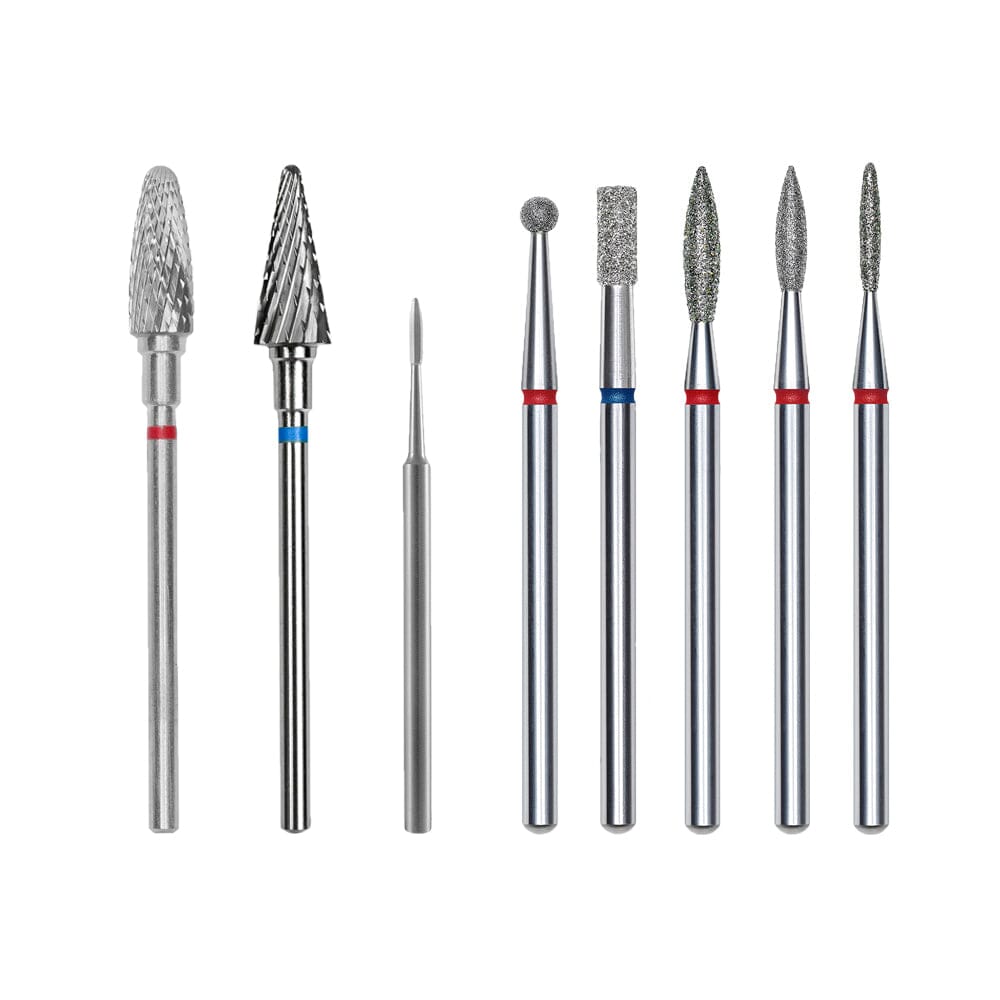
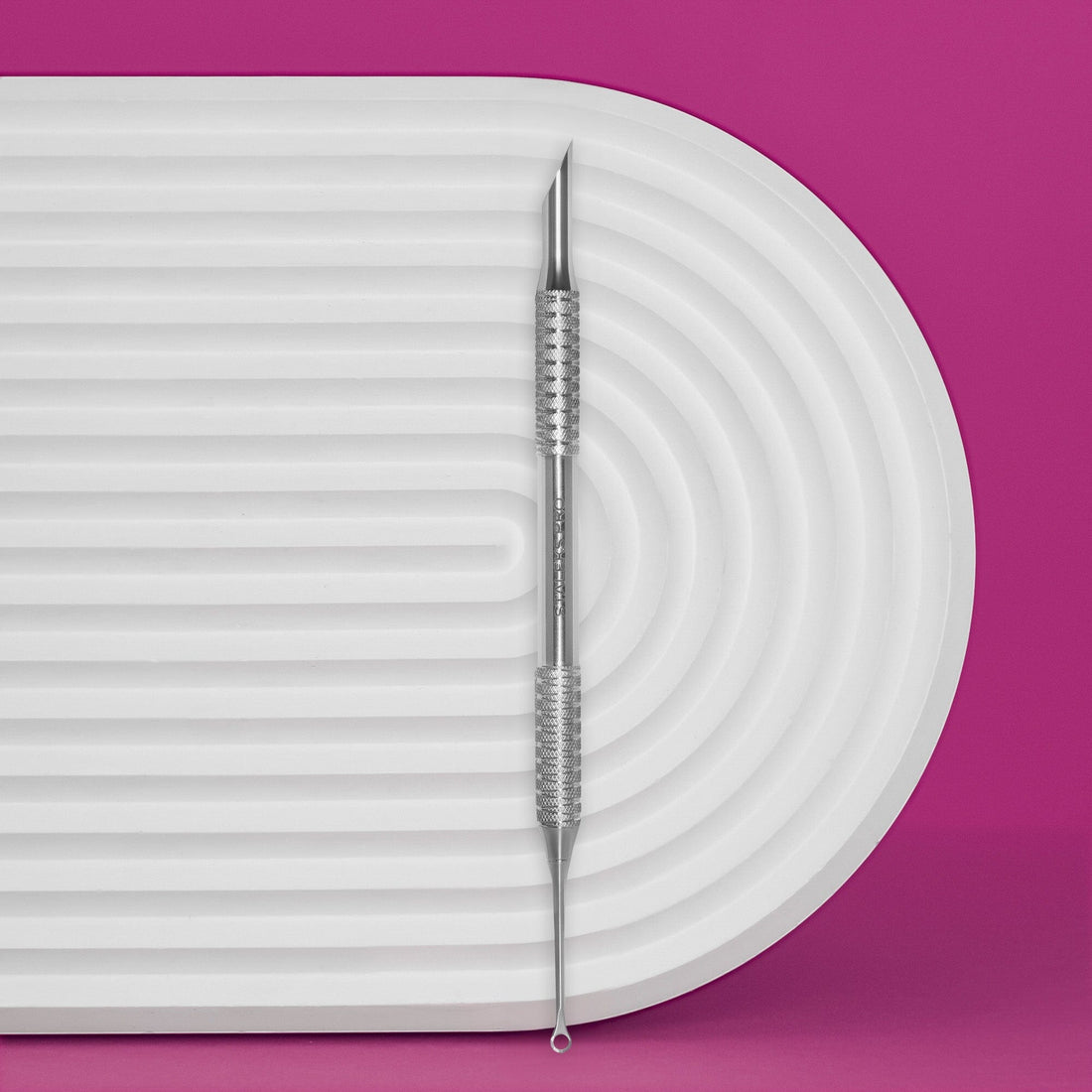
Using sharp, precise cutting instruments makes all the difference in clean and accurate work. Whether in crafting, construction, or beauty, a high-quality cutting tool cuts through materials smoothly and reduces the risk of errors or damage. For example, you can shop F.O.X Nails USA for professional-grade beauty products that focus on precision and durability—tools designed to help you work cleanly and comfortably.
3. Upgrade to Digital or Smart Versions
Many tools now come with digital features that help you measure, calculate, or automate tasks more easily. Using smart tools can reduce guesswork and improve accuracy while speeding up your workflow. The investment quickly pays off by reducing costly mistakes and saving time.
4. Replace Worn-Out Handles and Grips
Even your best tools lose comfort over time as handles wear down. Replacing these with cushioned, slip-resistant grips provides better control and safety. It’s a small upgrade with big benefits, especially during detailed or repetitive work.
5. Add Quality Storage and Organization
Tools that are easier to find and store save precious minutes on every project. Consider toolboxes or organizers that protect your tools and keep them accessible. A tidy workspace reduces frustration and prevents damage from clutter.
6. Use Multipurpose Tools Where Possible
Multipurpose tools eliminate the need to switch between devices constantly. Finding durable, reliable multi-use tools lets you work seamlessly and reduce the time spent searching for different instruments. This is especially useful when you’re on the go or working in tight spaces.
How Upgrading Tools Can Help You Adapt and Grow
Business environments and projects continually evolve, requiring new skills and equipment to stay competitive. Upgrading tools helps you:
- Stay agile and ready to handle new challenges or opportunities.
- Increase your capacity to take on varied projects with confidence.
- Scale your work without being held back by outdated equipment.
Investing in better tools now builds a stronger foundation for future growth and flexibility.
What to Consider When Choosing New Tools
To make the most of an upgrade, be thoughtful about the tools you choose:
- Assess your current challenges: Is your existing equipment slowing you down or causing errors?
- Prioritize comfort and ergonomics: Your health and ease of use matter as much as technical specs.
- Look for proven durability: Tools that last reduce long-term costs.
- Consider your workflow: Select tools that actually fit your process and improve your efficiency.
Taking time to research before upgrading ensures you get reliable, effective tools that truly make a difference.
Making the Upgrade Process Easy and Painless
Upgrading doesn’t need to be overwhelming. Start small by replacing the tools that frustrate you most or cause the biggest slowdowns.
- Create a list of tools that need improvement or that you use every day.
- Set a reasonable budget and prioritize upgrades that offer the best return.
- Look for trusted brands with good reviews to avoid frequent replacements.
- Plan your purchase timing to avoid disrupting ongoing work.
By following a step-by-step approach, you can upgrade efficiently without stress.


Final Thoughts
Upgrading your tools may seem like a small decision, but it creates a ripple effect that improves every aspect of your work life.
From higher quality output and faster completion times to safer workspaces and happier teams, the benefits are clear and powerful.
Don’t wait for your tools to fail or for frustration to pile up. Take the opportunity now to invest in upgrades that will save time, reduce errors, and elevate the satisfaction you get from your work.