Last Updated on June 12, 2026 by Rosslyn Tebbutt
Welcome to the Maximalist interior design world where more is always more, and boldness reigns supreme.
In a world that often celebrates restraint and simplicity, maximalist interiors offer a bold alternative — embracing colour, pattern, and layered expression.
While this article explores the energy and evolution of maximalism, a more structured understanding of the style can be found here:
Explore the Maximalist Interior Design Style Guide →

Introduction to Maximalist Interior Design
One key reason people are drawn to maximalism is that it allows them to express themselves fully through their home decor.
In today’s world, where individuality is highly valued, maximalism provides a space for personal expression without any rules or limitations.
It allows homeowners to mix and match different styles, colors, patterns, and textures without worrying about creating a cohesive look.
Maximalist interior design style celebrates excess, boldness, and eclecticism. It is the opposite of minimalism, which focuses on simplicity and clean lines.
In recent years, maximalism has become increasingly popular among interior designers and homeowners who want to make a statement with their living spaces.
Maximalism is about embracing abundance and creating spaces full of life, personality, and energy.
This design style allows creativity and freedom in using colors, patterns, textures, and decorative items. It’s about breaking traditional rules and letting your imagination run wild.
Maximalism is part of a broader shift in how interiors are evolving today.
Explore Interior Design Trends →

History of Maximalist Interior Design
Maximalist interior design has existed for centuries but gained popularity in the 1980s when it became associated with luxury and opulence.
During this period, fashion designer Yves Saint Laurent famously declared, “The most beautiful makeup for a woman is passion. But cosmetics are easier to buy.”
This quote perfectly encapsulates the spirit of maximalism – indulgent and unapologetic.
The Maximalist interior design style has gained popularity in recent years. It embraces boldness and excess to create vibrant and eclectic spaces.
But where did this trend originate? To truly understand maximalism, we need to examine its history.
The roots of maximalism can be traced back to the 1960s and 1970s, when minimalism gained traction as the dominant design style.
Minimalism emphasized simplicity, clean lines, and neutral colors – completely contrasting to what maximalism would later become.
As with many trends in art and design, maximalism emerged as a reaction to this prevailing minimalist aesthetic.

Key Characteristics of Maximalist Interior Design
Maximalism is a design philosophy that celebrates excess and encourages using bold and eclectic elements.
It completely departs from the minimalist trend that has dominated interior design for years, where less is often considered more.
Instead, maximalism encourages individuals to embrace their love for color, patterns, textures, and extravagant things.
Here are some key characteristics of maximalism that make it stand out in the world of interior design:
1. Bold Colors and Patterns
One of the most distinctive features of maximalist interiors is their bold colors and patterns.
Unlike minimalism, which tends to stick to neutral tones, Maximalist interior design style embrace vibrant hues such as deep blues, rich purples, and fiery reds.
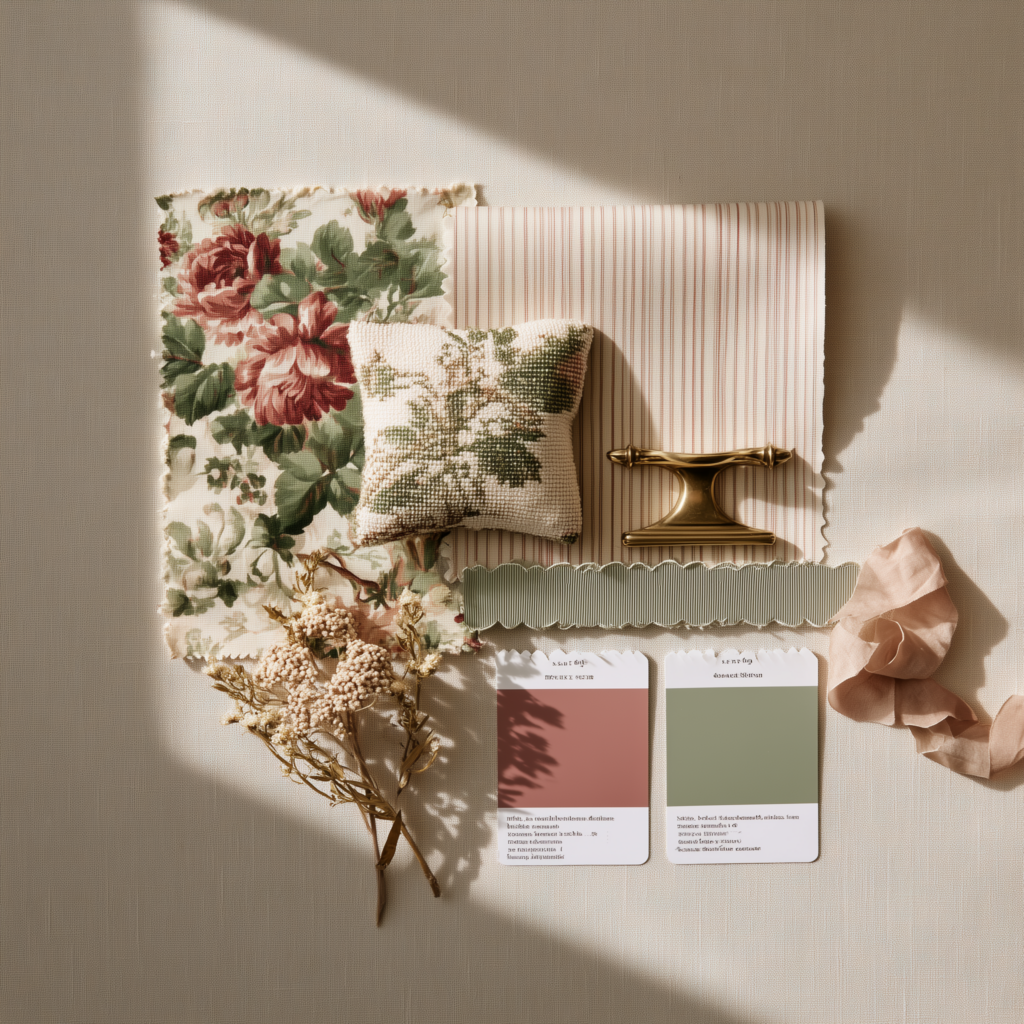
These bold colors are often paired with eye-catching patterns, such as floral prints or geometric designs, to create an energetic and lively atmosphere.
Forget about sticking to a neutral color palette; let your creativity run wild with vibrant hues and unexpected combinations.
Mix bold patterns such as florals, stripes, and animal prints in different scales for an eclectic look. Don’t be afraid to clash colors – after all, maximalism is all about breaking traditional rules.
These rich palettes reflect a broader shift toward expressive interiors, where colour is used to create energy, contrast, and personality.
Explore Interior Color Trends →


2. Layering
Maximalism is all about combining different elements to create a visually stimulating space.
This can involve layering textures through various fabrics like velvet, silk, fur, or even metallic accents such as gold or silver.
It also includes layering decor pieces like rugs, pillows, artwork, and other decorative objects to add depth and dimension to a room.
You can also layer different styles of furniture – from antique pieces to modern designs – for a unique mix that reflects your personality.

3. Eclectic Mix
Unlike other design styles, which follow strict guidelines or adhere to one specific aesthetic, maximalism allows for an eclectic mix of styles and influences.
A maximalist interior design space may feature traditional furniture pieces alongside modern accents or combine vintage items with contemporary ones.
This mix-and-match approach creates a unique, personalized space that reflects the individual’s personality and interests.
Maximalist interior design is not afraid of mixing patterns and textures; it encourages it!
Don’t be afraid to mix florals with stripes or velvet with leather. Balance busy patterns with more subtle ones for visual interest.

4. Attention to Detail
Maximalist design is all about paying attention to even the smallest details.
From intricate patterns on wallpaper or upholstery to decorative trims on curtains or pillows, every element in a maximalist space is carefully chosen and adds to the overall aesthetic.
This attention to detail contributes to the richness and complexity of a maximalist interior.
5. Embracing Collections
Maximalism celebrates collecting and displaying objects that hold personal significance.
Whether it’s books, artwork, or souvenirs from travels, maximalists incorporate these collections into their decor to showcase their interests and experiences.
These collections add character and warmth to a space, making it feel more lived-in and personal.

6. More is More
The main philosophy behind maximalism is that more is always better.
This means there are no rules regarding the number of elements used in a space—as long as they are thoughtfully curated, even seemingly conflicting items can work together harmoniously.
Maximalists believe that having abundant decor pieces creates a sense of joy and vitality in a room.

The Versatility of Maximalist Interior Design: From Boho to Glam and Everything In Between
The beauty of maximalism lies in its versatility – it can be interpreted in many ways, allowing for endless possibilities and personal expression.
From bohemian to glamorous and everything in between, the maximalist style offers something for everyone.
Boho Maximalism
Boho maximalism sits at the intersection of freedom and expression, blending the layered, globally inspired richness of bohemian interiors with the bold, unapologetic energy of maximalist design.
Rooted in texture, colour, and storytelling, this approach embraces an abundance of pattern, material, and collected detail—creating spaces that feel deeply personal and visually immersive.
Explore the Bohemian Interior Design Style Guide →
Rather than following rules, boho maximalism thrives on intuition.
Vintage finds, handcrafted pieces, and layered textiles come together to form interiors that feel lived-in, expressive, and full of character.
The result is a space that feels both curated and effortless—where every object holds meaning, and every surface contributes to a rich, evolving narrative..


Glam Maximalism
Glam maximalism represents the most opulent expression of the style—where richness, drama, and detail come together to create interiors that feel both theatrical and refined.
Defined by layered textures and luminous finishes, this approach embraces materials like velvet, silk, lacquer, and polished metals to build depth and visual intensity.
Explore the Hollywood Glam Interior Design Style Guide →
Rooted in a celebration of glamour, glam maximalist spaces draw heavily from Hollywood-inspired interiors, where bold contrasts, reflective surfaces, and sculptural forms create a sense of grandeur.
Jewel-toned palettes, crystal lighting, and intricate detailing elevate the space, while curated accessories—mirrors, metallic accents, and statement pieces—add layers of sophistication.
Rather than overwhelming, the result is intentional and composed: a space that feels indulgent yet controlled, where every element contributes to an atmosphere of elegance, drama, and unmistakable presence.


Modern Maximalism
Modern maximalism might be the perfect fit for those who prefer a more contemporary aesthetic. This style combines clean lines, sleek furniture, and bold colors and patterns.
This dynamic and visionary style blends modern design’s sleek and clean lines with maximalism’s exuberance and vivacity.
It embraces boldness and self-expression, inviting a harmonious clash of patterns, textures, and colors, creating a captivating visual symphony.
Modern Maximalism’s heart lies in a celebration of individuality and personal style. It encourages carefully curating diverse elements to form a cohesive and striking composition.
Mixing unexpected materials, such as concrete and velvet, or combining diverse design eras, like mid-century modern and Art Deco, adds intrigue and depth to the space.
The color palette of Modern Maximalism is both bold and refined, with rich jewel tones accentuating the clean lines and minimalist elements.
Striking artwork and sculptural pieces take center stage, adding a touch of gallery-like sophistication and elevating the overall ambiance.
This style allows for experimentation and innovation, allowing designers to express their creativity while maintaining balance and harmony.
Modern Maximalist interior design embodies refinement and audacity, merging the best of both worlds to create vibrant, spirited, and utterly captivating interiors.


Vintage Maximalism
This alluring style artfully blends the timeless charm of vintage pieces with the exuberant expression of maximalism.
It embraces the beauty of heirloom treasures, antique finds, and carefully curated artifacts that evoke a sense of history and intrigue.
The key characteristics of Vintage Maximalism lie in its fearless celebration of intricate details, eclectic patterns, and an abundance of textures that create a rich and immersive experience.
Every element adds a layer of opulence and charm, from ornate gilded mirrors and plush velvet upholstery to whimsical florals and intricately patterned wallpaper.
The color palette of Vintage Maximalism is an ode to classic elegance, with muted tones, warm hues, and earthy neutrals intertwining to create a harmonious and inviting atmosphere.
Accessorizing plays a pivotal role, with vintage collectibles, handcrafted textiles, and curated art pieces bringing depth and personality to the space.
Vintage Maximalist interior design inspires a sense of nostalgia and sentimentality, allowing for a truly bespoke and enchanting interior that whispers stories of the past and embraces the beauty of imperfections.
It invites you to create a haven of timeless elegance, where the old meets the new, and cherished memories are forever preserved in a living tapestry of aesthetic wonder.
Think antique furniture mixed with retro prints, bold wallpaper, and abundant texture.


Conclusion: Maximalist Interior Design
Maximalist interior design is not just about excess — it is about intention, layering, and personal expression.
To understand how to apply this style in a structured and refined way: