Last Updated on June 12, 2026 by Rosslyn Tebbutt
Mid-century modern interior design, which rose to prominence in the mid-20th century, remains one of the most beloved and enduring interior design styles today.
Characterized by clean lines, functional form, and a seamless blend of vintage and contemporary influences, Mid-century modern decor is timeless, sleek, and effortlessly stylish.
Emerging from the post-war period, Mid-Century Modern design was shaped by the practical and material-driven approach of the 1940s, where function and efficiency began to define modern living.
Explore 1940s Interior Design →
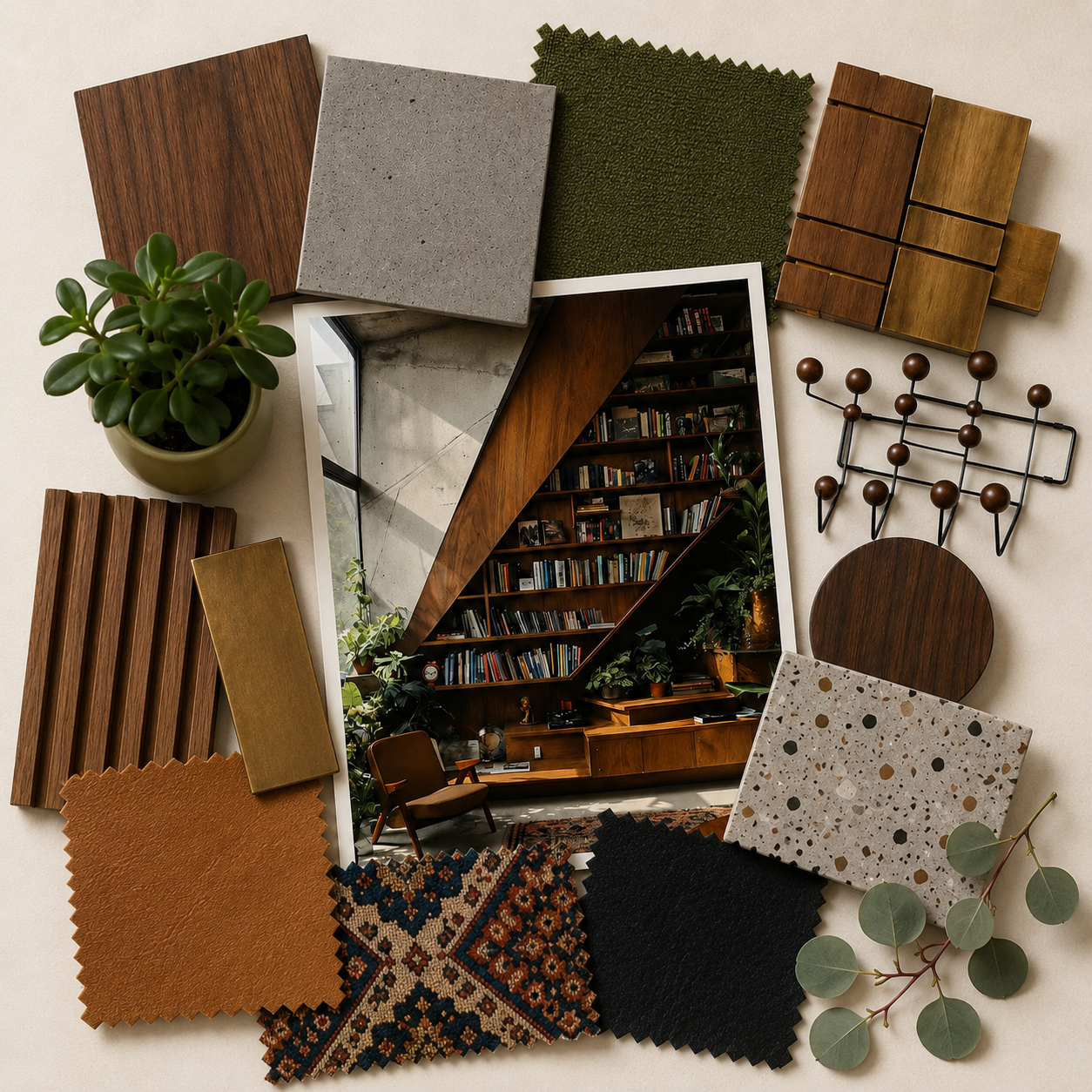
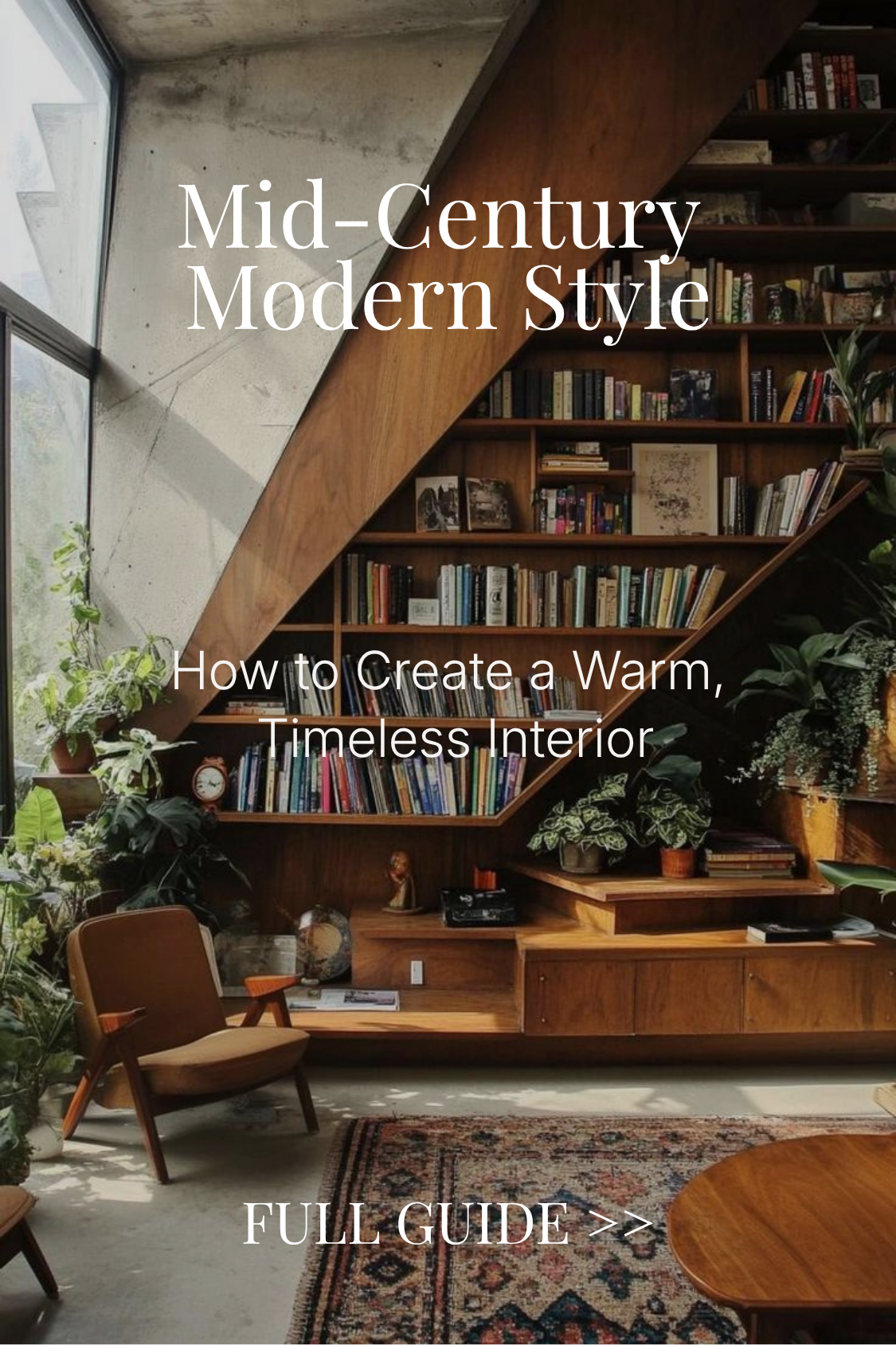

The style emphasizes simplicity, minimalism, and natural materials, often incorporating a bold color palette alongside a mix of organic shapes and geometric patterns.
Whether you’re looking to redesign an entire room or incorporate just a few key elements, this guide will help you bring the clean, sophisticated charm of Mid-century modern style into your home.


Core Principles of Mid-Century Modern Interior Design
To truly embrace Mid-century modern interior design, it’s essential to understand the foundational principles that define this look.
1. Clean Lines and Simple Silhouettes
The Mid-century modern style is all about embracing clean, sleek lines. Furniture and architectural elements are streamlined, with little to no ornamentation.
The focus is on functional beauty rather than elaborate decoration. Simple, geometric shapes and low-profile furniture pieces give the space a spacious, airy feel.
While Mid-Century Modern is defined by structure and function, it often overlaps with styles like minimalism and organic modern interiors, where simplicity is softened through materiality and warmth.
Explore the Minimalist Interior Design Style Guide →
Explore the Organic Modern Interior Design Style Guide →
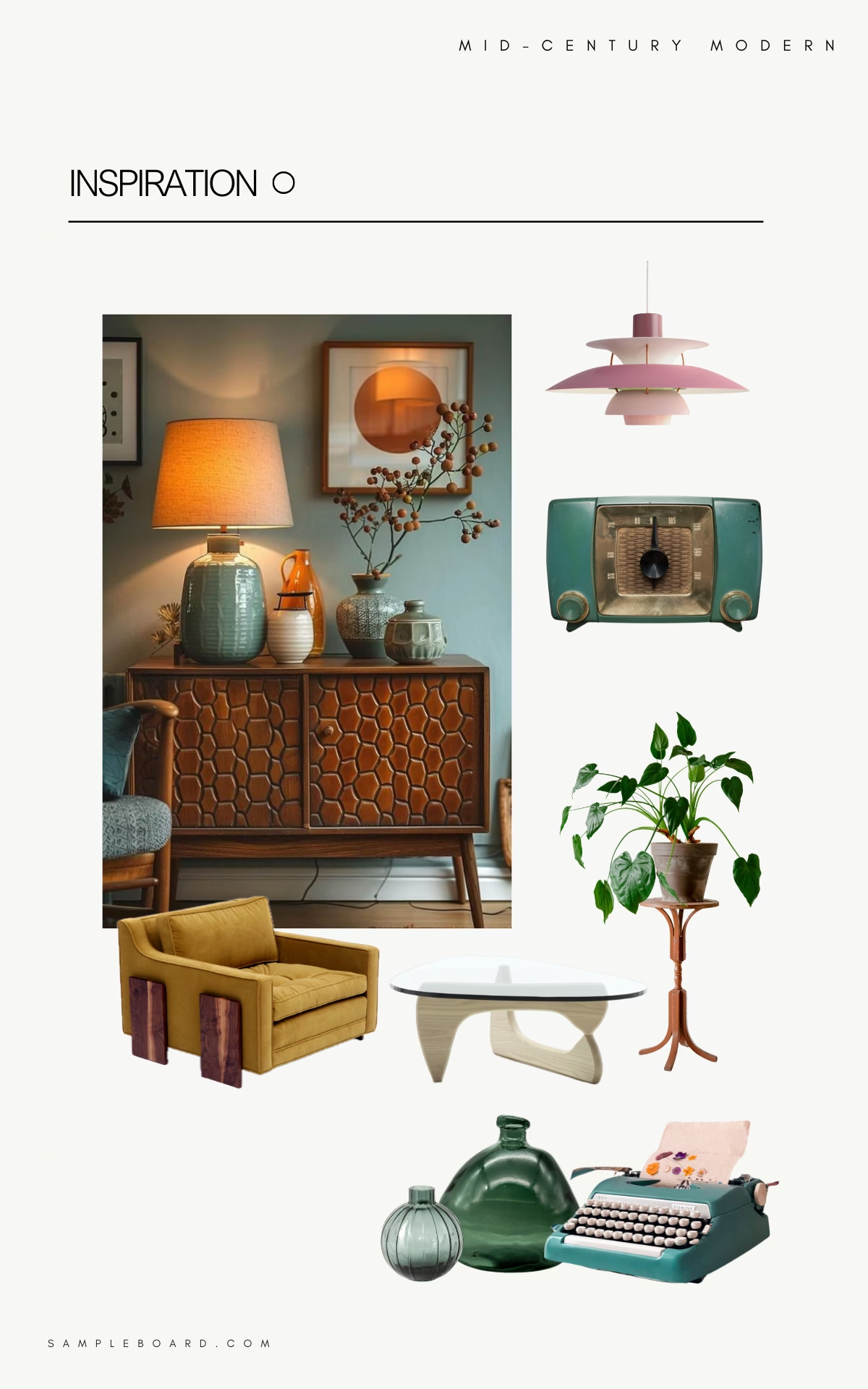
2. Functional and Practical Design
In Mid-century modern homes, form follows function. Every element serves a purpose, and the design is highly practical.
The furniture is designed for comfort and usability, ensuring that the space is as functional as it is stylish.
3. Connection to Nature
Mid-century modern design often incorporates natural materials such as wood, stone, and leather.
These materials not only bring warmth to the space but also create a connection to the outdoors.
Large windows and open floor plans invite natural light, while plants are a staple in the design for added greenery and a touch of nature.
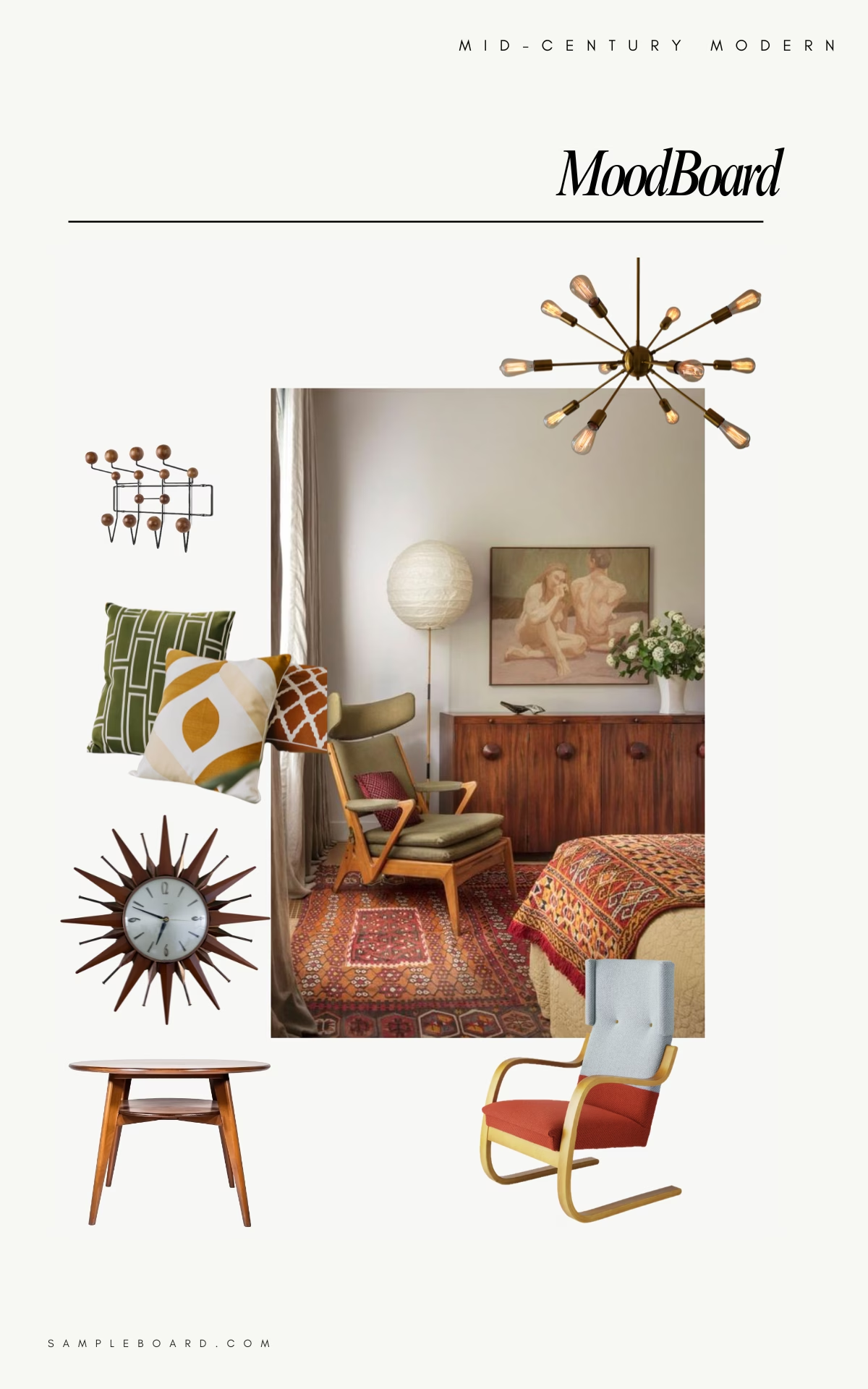
4. Bold Use of Color and Pattern
While the foundation of Mid-century modern design is neutral tones, bold accents in bright colors like mustard yellow, teal, and orange are used to create visual interest.
Geometric patterns, whether in furniture upholstery, wall art, or rugs, are a common feature, adding a touch of retro flair to the space.


Mid-Century Modern Interior Design Variations
Although Mid-century modern design follows a general aesthetic, there are variations that can give your space a unique feel.
Scandinavian Mid-Century Modern
- Color Palette: Soft neutrals like whites, greys, and beiges, with subtle pops of muted colors such as soft blues and greens.
- Key Features: Incorporates lighter wood tones, minimalistic designs, and functional furniture with a cozy, hygge-inspired feel.
- Materials: Light oak, birch, and natural wool textiles, with a focus on simple shapes and comfortable pieces.
This softer interpretation shares many principles with Scandinavian interiors, where simplicity, light, and functionality define the space.
Explore the Scandinavian Interior Design Style Guide →

Industrial Mid-Century Modern
- Color Palette: A darker color scheme, featuring shades of black, charcoal, and dark wood tones with metallic accents.
- Key Features: Uses more industrial elements like exposed brick, steel, and concrete, but maintains the sleek lines and functionality of Mid-century modern design.
- Materials: Metal, reclaimed wood, and concrete are often used alongside leather and wood to create a balanced look.
When paired with raw materials and darker finishes, Mid-Century Modern begins to overlap with industrial interiors, creating a more structured and architectural feel.
Explore the Industrial Interior Design Style Guide →

Retro Mid-Century Modern
- Color Palette: Bold, vibrant hues like mustard yellow, teal, orange, and avocado green.
- Key Features: Features vintage-inspired furniture pieces with iconic designs such as Eames chairs or Sputnik chandeliers. Bright patterns and graphics are often incorporated into textiles and wall decor.
- Materials: Wood, glass, and bold graphic patterns combine to create a playful and fun atmosphere.
This playful direction leans heavily into nostalgic colour and form, echoing broader vintage interiors rooted in mid-century design history.
Explore 1940s Interior Design →


Room-by-Room Mid-Century Modern Styling Guide
Living Room
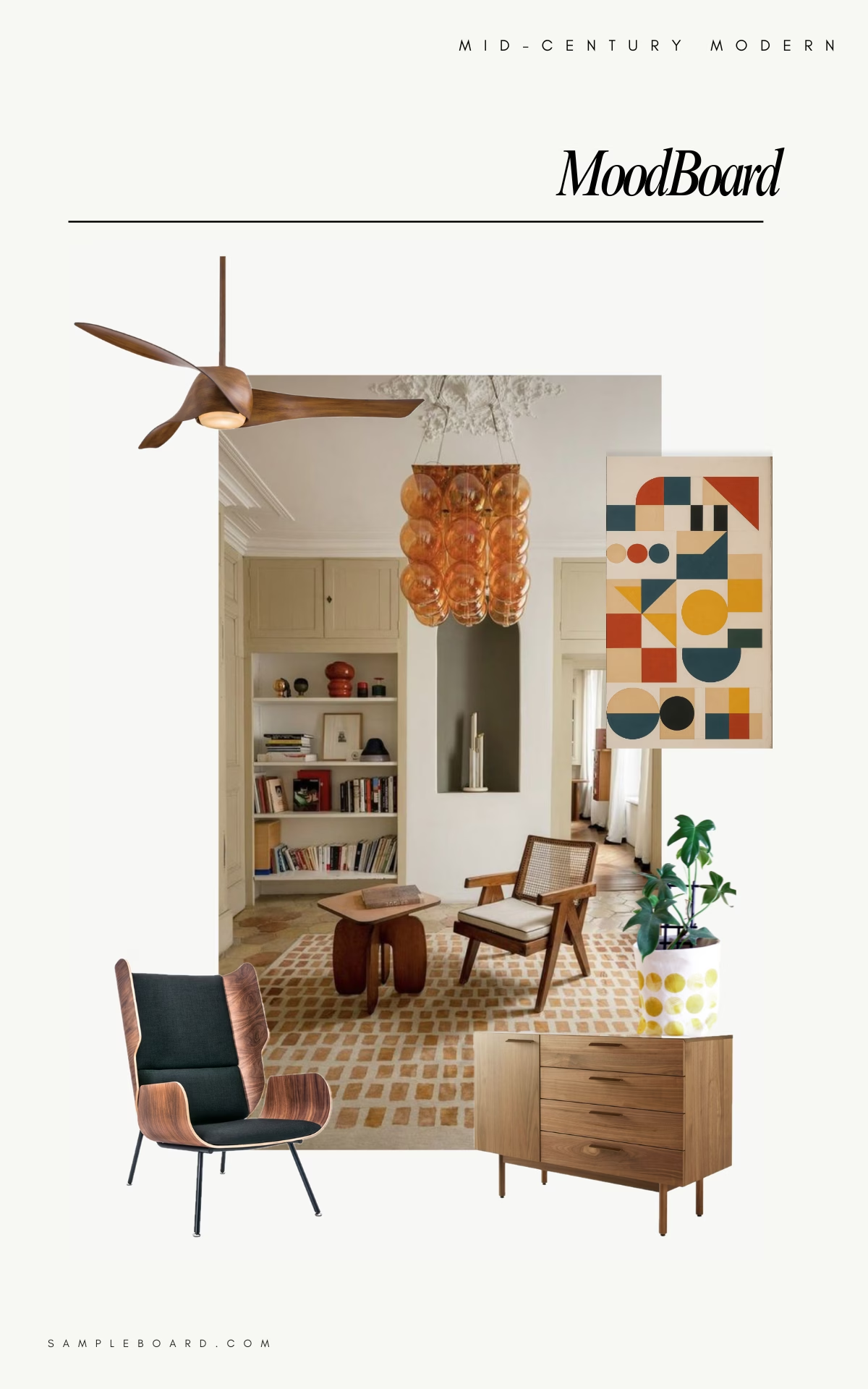
- Seating: Look for sofas and chairs with clean lines and low profiles. Upholstery in bold colors or geometric patterns is common, as is leather or fabric in neutral tones for a more understated approach.
- Accent Furniture: Incorporate iconic Mid-century modern furniture pieces like teak or walnut wood coffee tables, sideboards, and simple, functional bookshelves. Keep everything minimal and uncluttered.
- Lighting: Use statement light fixtures such as sleek pendant lights, floor lamps with thin stems, and chandeliers with geometric shapes. The light fixtures should be as functional as they are beautiful.
- Decor: Keep decor to a minimum, but use vintage artwork, abstract prints, and plants to add personality. A rug with a geometric pattern or vibrant color adds interest and anchors the space.


Kitchen
- Cabinetry: Opt for simple, flat-front cabinets with a minimalist design. Wood tones like walnut or teak are commonly used, with clean hardware such as metal pulls.
- Countertops: Choose materials such as quartz, marble, or laminate that provide a sleek, polished look.
- Backsplash: Subway tiles or small, square tiles in neutral tones work well in Mid-century modern kitchens. Geometric patterns can also be incorporated for a fun touch.
- Fixtures: Brass or matte black faucets and fixtures in clean lines are characteristic of Mid-century modern kitchens. Open shelving is also common to display curated items.
- Appliances: Stainless steel appliances with clean lines help maintain the minimalist, functional aesthetic of the space.


Dining Room
- Table and Chairs: Look for a simple wooden dining table, often in teak or walnut, paired with sleek, modern dining chairs with molded plastic or wooden legs. Iconic designs such as Eames or Saarinen chairs are perfect for this style.
- Lighting: A pendant light with a bold, graphic design, such as a globe or cone shape, is ideal for a Mid-century modern dining room.
- Centerpieces: Keep table decor minimal, but fresh flowers, simple ceramics, or vintage glassware add a pop of color and personality.


Bedroom
- Bed Frame: Choose a simple, low-profile bed frame made of wood. Teak and walnut are popular choices, but modern alternatives like metal can also work.
- Bedding: Stick to neutral-colored bedding with crisp lines. Add a pop of color with throw pillows, blankets, or a bed runner in a bold geometric print.
- Nightstands: Look for minimalist nightstands made from wood or with a combination of wood and metal. Choose functional yet stylish pieces with clean lines and little ornamentation.
- Lighting: A simple table lamp with a clean, sculptural design or a wall-mounted light fixture adds style and functionality.


Bathroom
- Vanity: Opt for a wooden vanity with clean lines. Floating vanities are a popular choice for a sleek, modern look.
- Tiles: Subway tiles or small square tiles in neutral tones can be used for a clean, cohesive look. Consider adding a pop of color through the use of colored tiles or geometric patterns.
- Fixtures: Go for chrome or brass fixtures in simple, elegant designs. A modern showerhead and sleek faucets enhance the overall style.
- Decor: Add a small plant or minimalist accessories, such as geometric soap dispensers or glass jars, to complete the look.


Styling Small Spaces in Mid-Century Modern Design
- Furniture: Opt for functional furniture with sleek, simple lines. Multi-purpose pieces like nesting tables or ottomans with hidden storage help maximize space.
- Mirrors and Light Colors: Use large mirrors to reflect light and create the illusion of more space. Keep walls light and neutral to open up the room, and incorporate pops of bold color through accessories.
- Vertical Storage: Consider tall shelving units or cabinets to store items while keeping the floor space open and uncluttered.

Mid-Century Modern Lighting Guide
- Pendant Lights: Choose pendant lights with geometric shapes, such as spherical or cone designs, for a dramatic yet simple touch.
- Floor Lamps: Look for floor lamps with thin stems and sculptural designs that add interest without overwhelming the space.
- Table Lamps: Opt for table lamps with clean lines, such as those with ceramic or metal bases and fabric shades.
- Chandeliers: Look for chandeliers with minimalist designs, often featuring thin, sleek arms and glass or metal accents.


Sustainability in Mid-Century Modern Interior Design
- Use Natural Materials: Opt for sustainable wood choices such as bamboo, reclaimed wood, or FSC-certified products.
- Upcycled Furniture: Embrace vintage furniture pieces that have been restored or repurposed. This not only enhances the style but also supports sustainability.
- Energy-Efficient Lighting: Choose LED bulbs or energy-efficient lighting fixtures that adhere to the minimalist, functional design.


DIY and Budget-Friendly Mid-Century Modern Decor Ideas
- Repurpose Furniture: Look for vintage Mid-century modern furniture at thrift stores and flea markets, and give it a fresh coat of paint or new upholstery.
- DIY Art: Create your own abstract art pieces with geometric shapes and bold colors, or frame vintage prints that embody the Mid-century modern aesthetic.
- Make Your Own Planters: Use simple materials such as wood or ceramic to create your own Mid-century-inspired plant stands and planters.

Mid-Century Modern Interior Design Dos and Don’ts
Dos
✔ Stick to clean, simple lines and geometric shapes.
✔ Incorporate natural materials like wood, stone, and leather.
✔ Embrace functional furniture that is both beautiful and practical.
✔ Use a neutral color palette with pops of bold accent colors.
✔ Choose vintage and iconic Mid-century modern furniture pieces.
Don’ts
✖ Overload the space with unnecessary decor—keep things minimal and functional.
✖ Mix too many styles—Mid-century modern is best when it stays true to its clean, minimalist roots.
✖ Neglect lighting—lighting is crucial to creating a bright and inviting Mid-century modern space.
✖ Forget about comfort—functionality and comfort should always be prioritized alongside style.


Conclusion
Mid-Century Modern interior design continues to stand the test of time through its balance of function, simplicity, and timeless form.
Its influence can be seen across contemporary styles — from minimalist interiors to more expressive, layered spaces that build on its foundations.
Explore Interior Design Styles →
Explore Interior Design Trends →
Explore Interior Color Trends →