Last Updated on August 11, 2026 by Rosslyn Tebbutt
The traditional interior design style embodies timeless elegance, rich textures, and classic architectural details.
Rooted in European decor from the 18th and 19th centuries, this style prioritizes harmony, symmetry, and refined furnishings.
If you appreciate a warm, inviting home with a sense of history and sophistication, traditional design may be the perfect fit.

What Is Traditional Interior Design?
Traditional interior design draws inspiration from classic European homes, blending ornate details with comfort and practicality.
It features rich wood tones, elegant furnishings, and a balanced layout that creates a warm and welcoming atmosphere.
While it embraces historic charm, traditional decor can also be updated to feel fresh and relevant in modern homes.


Key Elements of Traditional Interior Design
1. Warm and Rich Color Palette
Traditional interiors often incorporate warm, rich hues like deep reds, golds, browns, and greens.
Neutral tones such as beige, ivory, and taupe are used as a backdrop, allowing furniture and decor to stand out.
Dark wood finishes add depth and sophistication, contributing to a cozy and timeless feel.
2. Classic Furniture Styles
Furniture in traditional interiors features detailed craftsmanship, curved silhouettes, and luxurious upholstery.
Wingback chairs, tufted sofas, and ornate wooden tables are common.
Upholstery fabrics such as damask, velvet, and brocade add texture and elegance, while carved wood detailing enhances the furniture’s traditional appeal.
3. Decorative Molding and Millwork
Crown molding, wainscoting, and coffered ceilings are hallmarks of traditional design.
These architectural elements add depth and character to walls and ceilings, creating a refined and polished look.
Paneling, columns, and intricate trim work further enhance the sense of timeless grandeur.
4. Symmetry and Balance
Traditional interiors prioritize symmetry, creating a harmonious and organized aesthetic.
Matching furniture arrangements, paired lamps, and centered artwork contribute to a balanced and visually pleasing space.
This structured approach ensures a cohesive, elegant atmosphere.
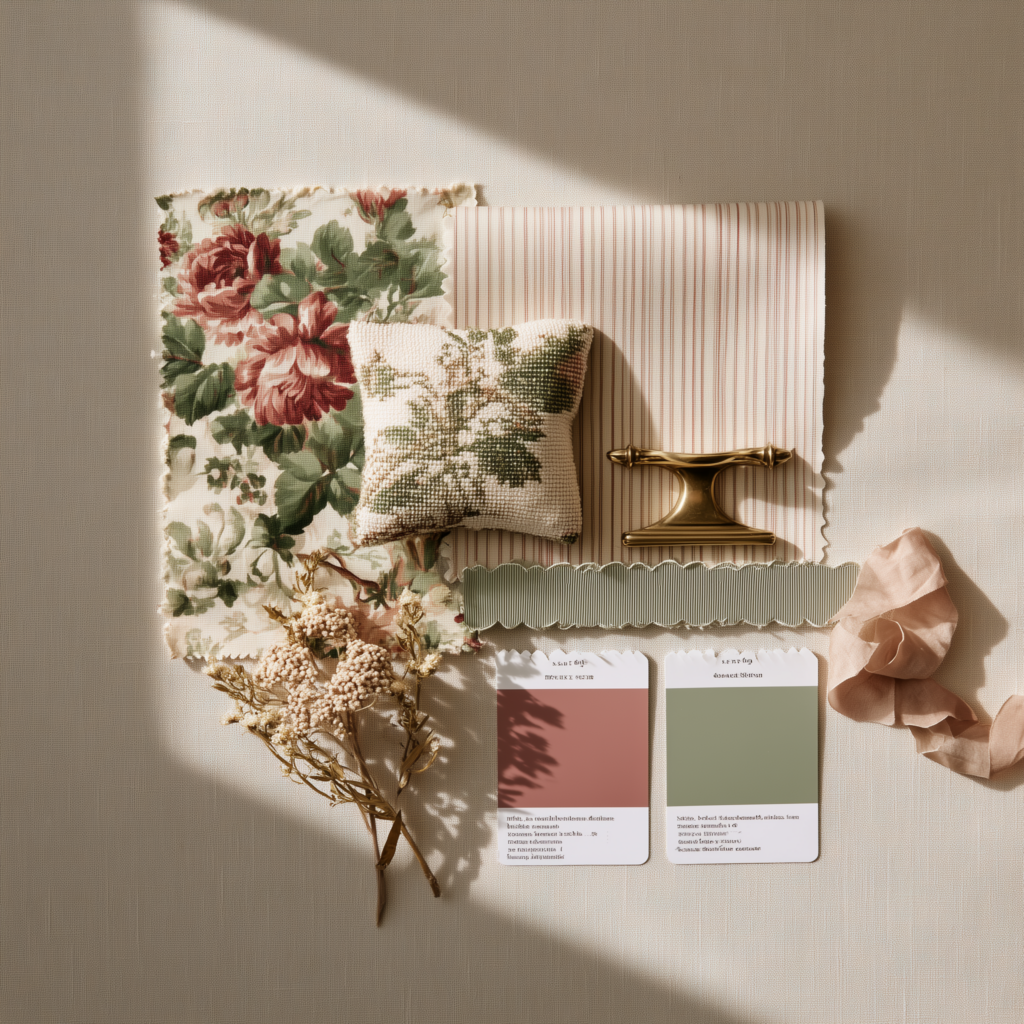
5. Elegant Textiles and Patterns
Luxurious fabrics and traditional patterns play a crucial role in this design style.
Floral prints, damask, paisley, and toile are often featured in upholstery, drapery, and rugs.
Heavy drapes with decorative tiebacks and valances add an extra layer of sophistication, while Persian or Oriental rugs provide warmth and texture.
6. Ornate Lighting Fixtures
Chandeliers, sconces, and table lamps with intricate detailing illuminate traditional spaces.
Crystal chandeliers, brass fixtures, and antique-style lamps enhance the classic ambiance, providing both functional and decorative lighting.
Candles and candelabras can also be incorporated for a touch of old-world charm.
7. Antique and Heirloom Pieces
Traditional interiors often include antique or vintage-inspired furniture and decor.
Heirloom-quality pieces, whether genuine antiques or reproductions, add character and a sense of history.
Gilded mirrors, decorative porcelain, and framed oil paintings contribute to the overall refined aesthetic.
8. Classic Artwork and Accessories
Art plays a significant role in traditional decor. Framed oil paintings, tapestries, and sculptures reflect classical themes and craftsmanship.
Decorative accessories such as china displays, crystal vases, and ornate bookends enhance the timeless appeal of the space.
9. Traditional Kitchen Design
A traditional kitchen features classic cabinetry with raised panel doors, intricate hardware, and warm wood finishes.
Granite or marble countertops, detailed backsplashes, and farmhouse sinks enhance the timeless elegance.
Open shelving with fine china, glass-front cabinets, and decorative molding complete the look.
10. Traditional Bathroom Elements
Traditional bathrooms exude luxury with clawfoot tubs, pedestal sinks, and vintage-inspired fixtures.
Neutral color palettes with rich accents, intricate tilework, and classic vanities with marble countertops create a refined and relaxing retreat.
Elegant lighting, such as sconces and chandeliers, adds a finishing touch.
11. Layered Window Treatments
Window treatments in traditional homes are layered and opulent.
Heavy drapes, swags, and Roman shades add warmth and sophistication while allowing for light control and privacy.
Fabrics like silk, velvet, and brocade elevate the overall aesthetic.
12. Seasonal Decor Ideas for Traditional Interiors
Traditional interiors adapt beautifully to seasonal changes. In winter, rich textiles, warm-toned accessories, and candlelit settings enhance coziness.
Spring and summer bring lighter fabrics, floral arrangements, and fresh color accents, while autumn calls for deep hues, textured throws, and elegant seasonal decor.


How to Achieve the Traditional Look
Incorporate Classic Architectural Details
Use crown molding, wainscoting, and decorative trim to add depth and elegance to your space. These details instantly elevate the room and create a sense of historical charm.
Choose Timeless Furniture Pieces
Opt for high-quality furniture with classic silhouettes and refined finishes. Look for tufted sofas, rolled-arm chairs, and dark wood tables to create a traditional yet inviting ambiance.
Use a Cohesive Color Scheme
Stick to a warm, harmonious color palette that complements your furnishings. Rich neutrals with deep accent colors help create a sophisticated and welcoming environment.
Add Elegant Textiles
Use luxurious fabrics like velvet, silk, and brocade in upholstery, curtains, and pillows. Layering patterns and textures enhances the richness of the decor.
Curate Classic Decor and Accessories
Select timeless decor elements such as antique-style lamps, gilded mirrors, framed artwork, and decorative ceramics. A carefully curated collection of accessories adds personality and refinement.


Conclusion
Traditional interior design celebrates timeless beauty, warmth, and sophistication.
By incorporating classic architectural details, elegant furnishings, and rich textiles, you can create a space that feels both inviting and refined.
Whether you’re designing a new home or updating your current space, embracing the traditional style ensures a lasting, elegant aesthetic.
Looking for more interior design inspiration? Explore our blog for more home decor tips and timeless styles!