Last Updated on June 12, 2026 by Rosslyn Tebbutt
Traditional interior design is a classic, elegant, and timeless style that draws inspiration from 18th and 19th-century European homes.
Featuring rich wood tones, refined fabrics, and symmetrical layouts, this design approach creates a warm, sophisticated atmosphere.
- Core Principles of Traditional Interior Design
- Variations of Traditional Interior Design
- Room-by-Room Traditional Interior Styling Guide
- Small Space Solutions in Traditional Design
- Traditional Lighting Guide
- Sustainability in Traditional Interior Design
- DIY and Budget-Friendly Traditional Decor Ideas
- Traditional Interior Dos and Don’ts
- Conclusion
If you appreciate graceful furnishings, layered textures, and a sense of formality, this guide will help you achieve the perfect traditional interior.
Core Principles of Traditional Interior Design
Symmetry and Balance
Traditional design focuses on harmonious arrangements where furniture and decor are symmetrically placed to create a sense of order and refinement.
Rich and Warm Color Palettes
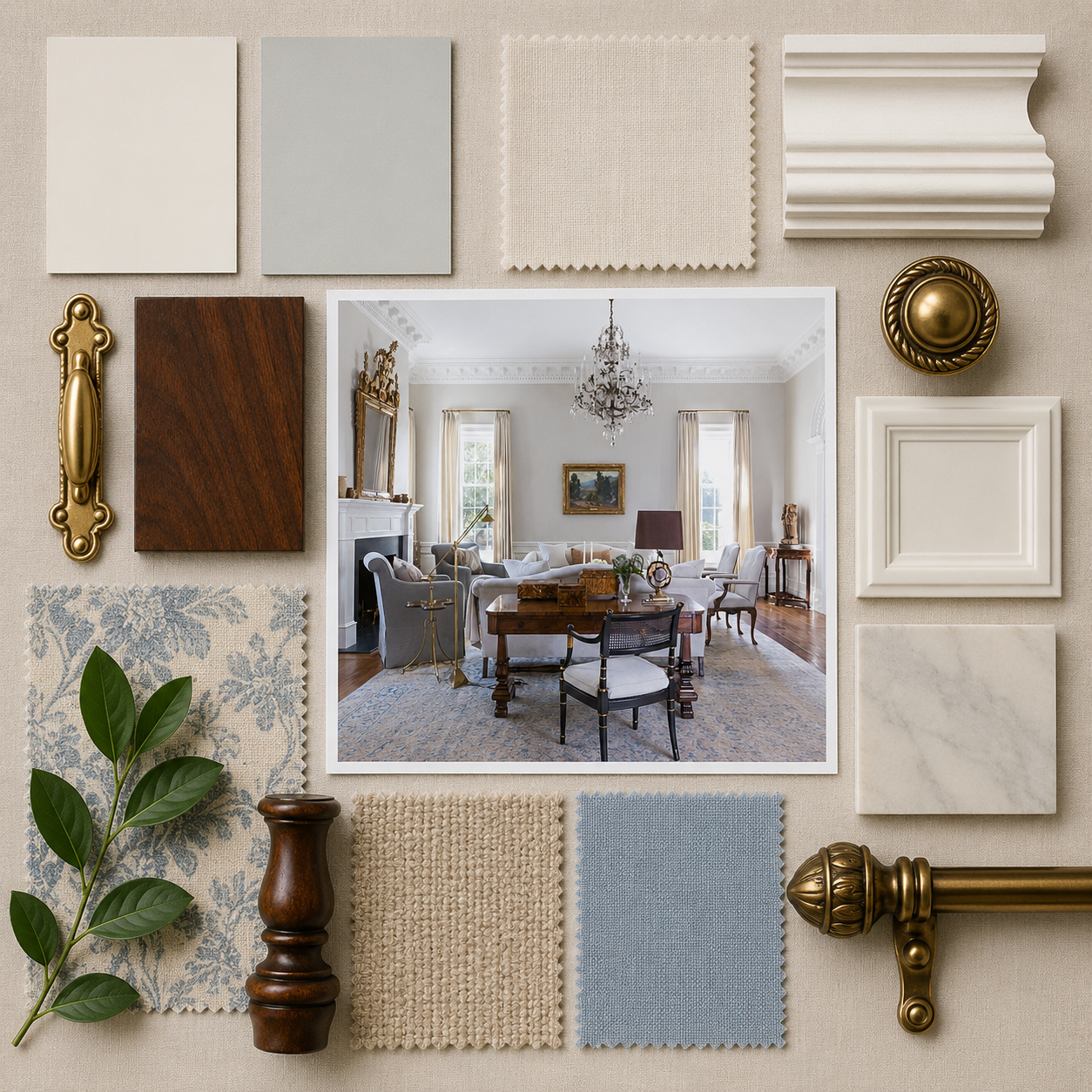
A traditional color scheme includes deep neutrals, warm beiges, soft golds, and jewel tones like burgundy, navy, and emerald green. These colors enhance the sense of sophistication.
Classic Architectural Details
Traditional interiors often feature crown molding, wainscoting, coffered ceilings, and arched doorways, adding a formal and elegant feel to the space.
Ornate and Refined Furnishings
Furniture in traditional design includes carved wood details, curved silhouettes, and plush upholstery in fabrics like velvet, silk, and brocade.


Variations of Traditional Interior Design
Classic European Traditional
- Inspired by French, English, and Italian influences
- Features antique-style furniture, intricate wood carvings, and gilded accents
- Uses damask, paisley, and floral patterns in upholstery and wallpaper
New Traditional
- A fresh take on traditional design with a lighter color palette and streamlined furniture
- Balances classic elements with modern touches like simpler hardware and less ornate detailing
- Incorporates neutral tones and subtle patterns for a timeless yet updated look
Southern Traditional
- Features warm wood furniture, elegant chandeliers, and classic Southern charm
- Incorporates plush drapery, detailed rugs, and soft lighting for a cozy, refined aesthetic
- Blends formal and comfortable elements, making it welcoming yet polished

Room-by-Room Traditional Interior Styling Guide
Living Room
- Seating: Choose tufted sofas, wingback chairs, and rolled-arm furniture
- Coffee Tables: Opt for dark wood or marble-topped tables with ornate details
- Lighting: Use table lamps with pleated shades, crystal chandeliers, or brass sconces
- Decor: Incorporate fine china, decorative books, and symmetrical mantel arrangements


Kitchen
- Cabinetry: Classic raised-panel or glass-front cabinets in rich wood tones or cream finishes
- Countertops: Granite or marble with intricate veining for a luxurious touch
- Backsplash: Subway tiles, intricate mosaics, or classic marble patterns
- Fixtures: Oil-rubbed bronze or antique brass faucets and handles


Dining Room
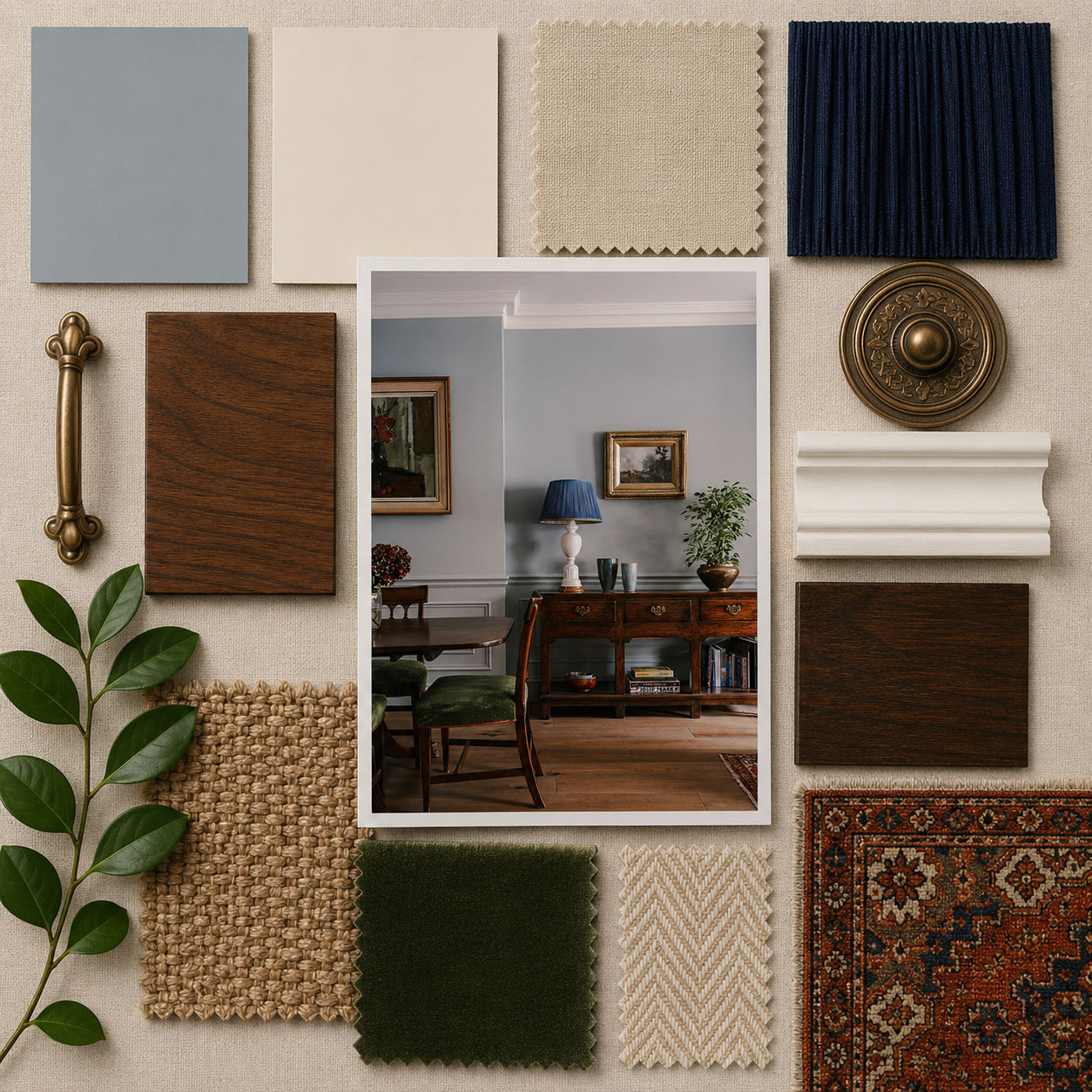
- Table & Chairs: A grand wooden dining table with upholstered or carved dining chairs
- Lighting: Crystal or brass chandeliers for an elegant focal point
- Decor: Use formal table settings, candelabras, and floral centerpieces

Bedroom
- Bed Frame: Ornate four-poster or sleigh beds with carved details
- Bedding: Luxurious layered fabrics like silk, cotton, and brocade
- Nightstands: Traditional wood nightstands with antique brass handles
- Lighting: Classic table lamps with intricate detailing


Bathroom
- Vanity: Rich wood or marble-topped vanities with classic brass hardware
- Tiles: Marble, travertine, or detailed mosaic tiles for timeless appeal
- Bathtub: A freestanding clawfoot or cast-iron tub as a statement piece
- Fixtures: Ornate brass or bronze faucets and lighting

Small Space Solutions in Traditional Design
- Use mirrors with ornate frames to reflect light and enhance space
- Stick to light neutrals to keep rooms feeling open and airy
- Choose multi-functional furniture like storage ottomans and elegant sideboards

Traditional Lighting Guide
- Chandeliers: Crystal or wrought iron for a grand look
- Table Lamps: Silk or pleated shades on ornate lamp bases
- Wall Sconces: Great for hallways and accent lighting
- Candelabra-Style Fixtures: Add warmth and character to dining spaces

Sustainability in Traditional Interior Design
- Opt for antique or vintage furniture instead of buying new
- Use natural fabrics like cotton, wool, and linen for upholstery
- Choose low-VOC paints and eco-friendly finishes
- Repurpose heirloom furniture for a timeless yet sustainable touch

DIY and Budget-Friendly Traditional Decor Ideas
- Refinish vintage furniture with a fresh stain or paint
- Frame classic artwork for an elegant gallery wall
- Install crown molding to add architectural detail affordably
- Create a classic tablescape with thrifted fine china and candlesticks

Traditional Interior Dos and Don’ts
Dos:
✔ Stick to a balanced and symmetrical layout
✔ Use classic patterns like florals, damask, and paisley
✔ Incorporate rich wood tones and elegant upholstery
✔ Add decorative trims, tassels, and fringes for luxury
✔ Choose statement lighting to enhance the traditional look
Don’ts:
✖ Mix too many modern elements—stick to classic details
✖ Overuse dark tones—balance them with lighter neutrals
✖ Clutter spaces—traditional doesn’t mean overdecorated
✖ Forget comfort—traditional should feel warm and inviting
✖ Ignore natural light—use layered window treatments wisely


Conclusion
Traditional interior design is all about timeless elegance, balance, and refined details.
By incorporating classic furniture, rich textures, and symmetrical layouts, you can create a home that feels both luxurious and inviting.
Whether you prefer a grand European aesthetic or a softer Southern charm, following these principles will help you achieve a sophisticated and harmonious space.