Last Updated on August 11, 2026 by Rosslyn Tebbutt
Windows are often called the eyes of a home, and for good reason. They frame our view of the world, fill our rooms with light, and connect our indoor sanctuaries to the outdoors.
Yet, they are also one of the most critical components of a building’s performance, tasked with the complex job of protecting from the elements while offering ventilation and security.
While many conventional windows may look superficially similar, a closer examination reveals vast differences in their engineering, functionality, and long-term durability.
These differences often include:
- Advanced operational mechanisms: The tilt-and-turn function, allowing the window to swing open like a door or tilt inward for secure, draft-free ventilation.
- Superior frame construction: Often featuring multi-chambered profiles and steel reinforcement for enhanced structural integrity and thermal insulation.
- Multi-point locking systems: Engaging at several points around the frame to create a tighter, more secure seal against air and water infiltration.
- High-performance glazing: Typically using triple-pane glass with low-emissivity (Low-E) coatings and argon gas fills to maximize energy efficiency.
A particular tradition of European design, especially the German approach, treats the window not merely as a pane of glass in a frame, but as a sophisticated piece of machinery.
This philosophy results in a product that offers a fundamentally different experience in terms of daily use, thermal comfort, and energy efficiency, setting a benchmark for quality that challenges the status quo.
The Engineering Philosophy: A Focus on Performance and Precision
At its core, the primary distinction of the German approach to window manufacturing is its unwavering focus on performance.
Rather than designing a product down to a price point, the engineering ethos is to build a high-performance system that actively enhances the building envelope.
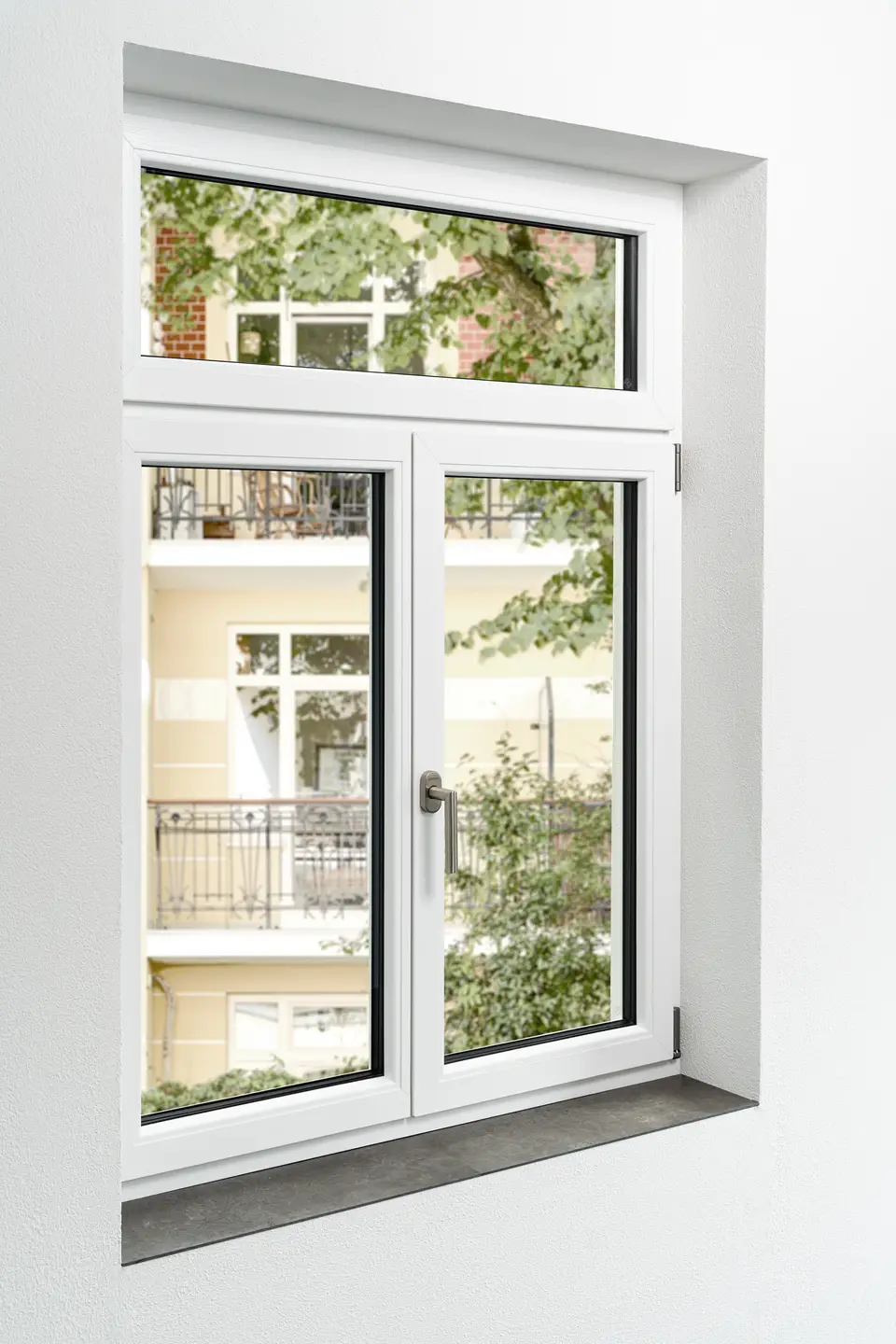
This philosophy of an integrated, high-performance system is the defining characteristic of German windows, where every element is engineered for a specific purpose.
The frame, the glazing, the seals, and the hardware are not viewed as separate components but as a unified machine designed to deliver exceptional airtightness, thermal insulation, and operational precision.
This commitment is largely driven by some of the world’s most stringent building codes and the ambitious goals of voluntary standards like Passivhaus, which demand a level of quality and efficiency far exceeding typical construction practices.
The result is a product built for decades of reliable performance, not just to meet a minimum requirement.
Unpacking the Tilt-and-Turn Mechanism: A Revolution in Functionality
Perhaps the most immediately impressive feature for anyone encountering German-engineered windows for the first time is their unique and highly intuitive method of operation.
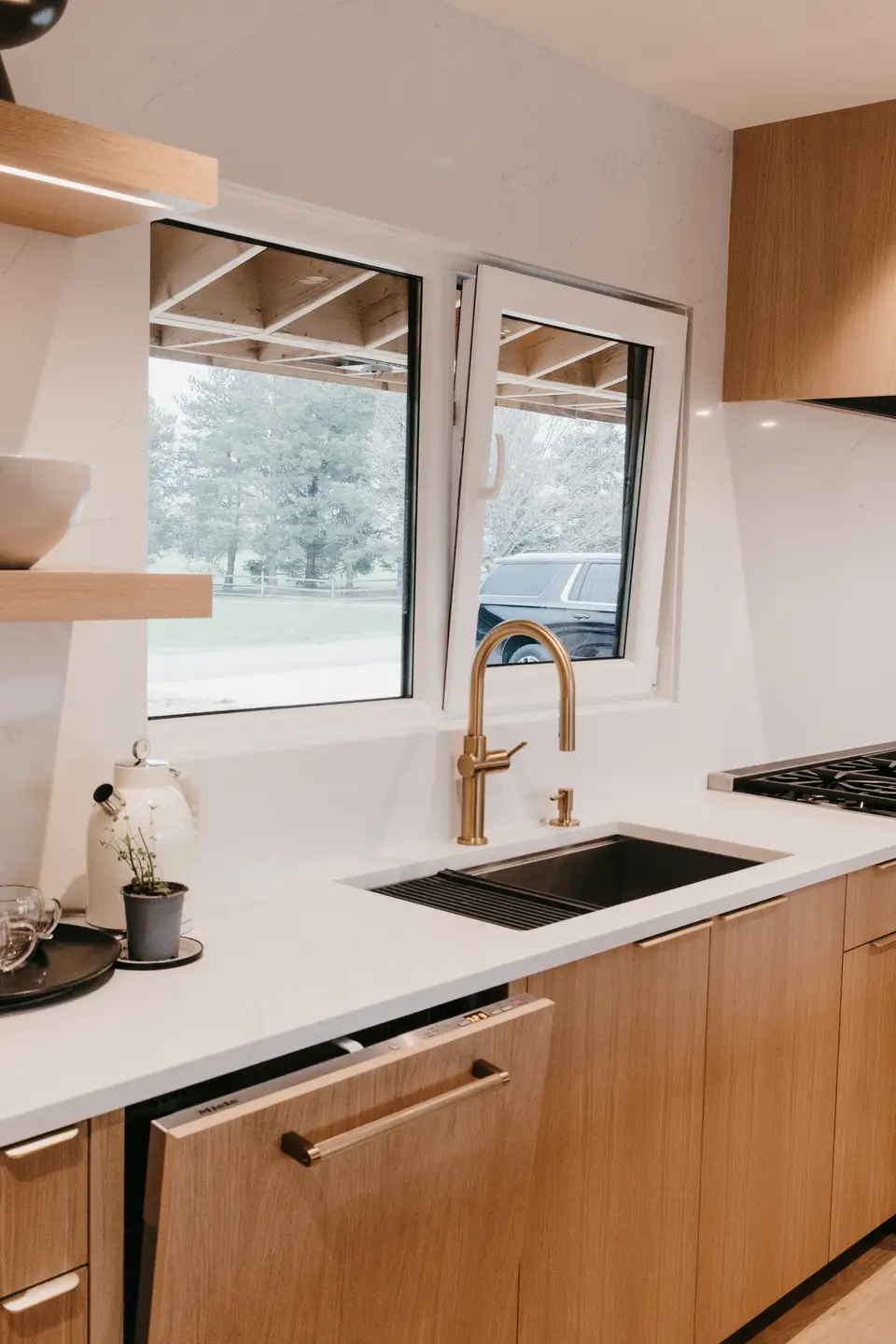
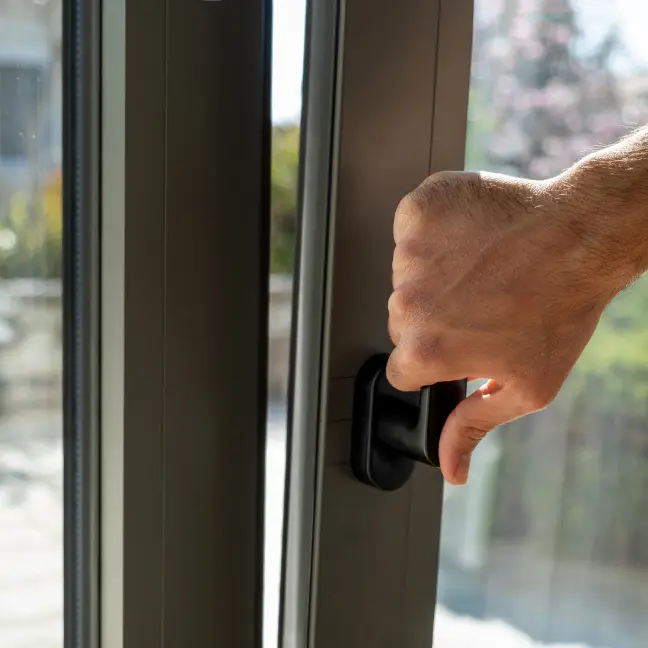
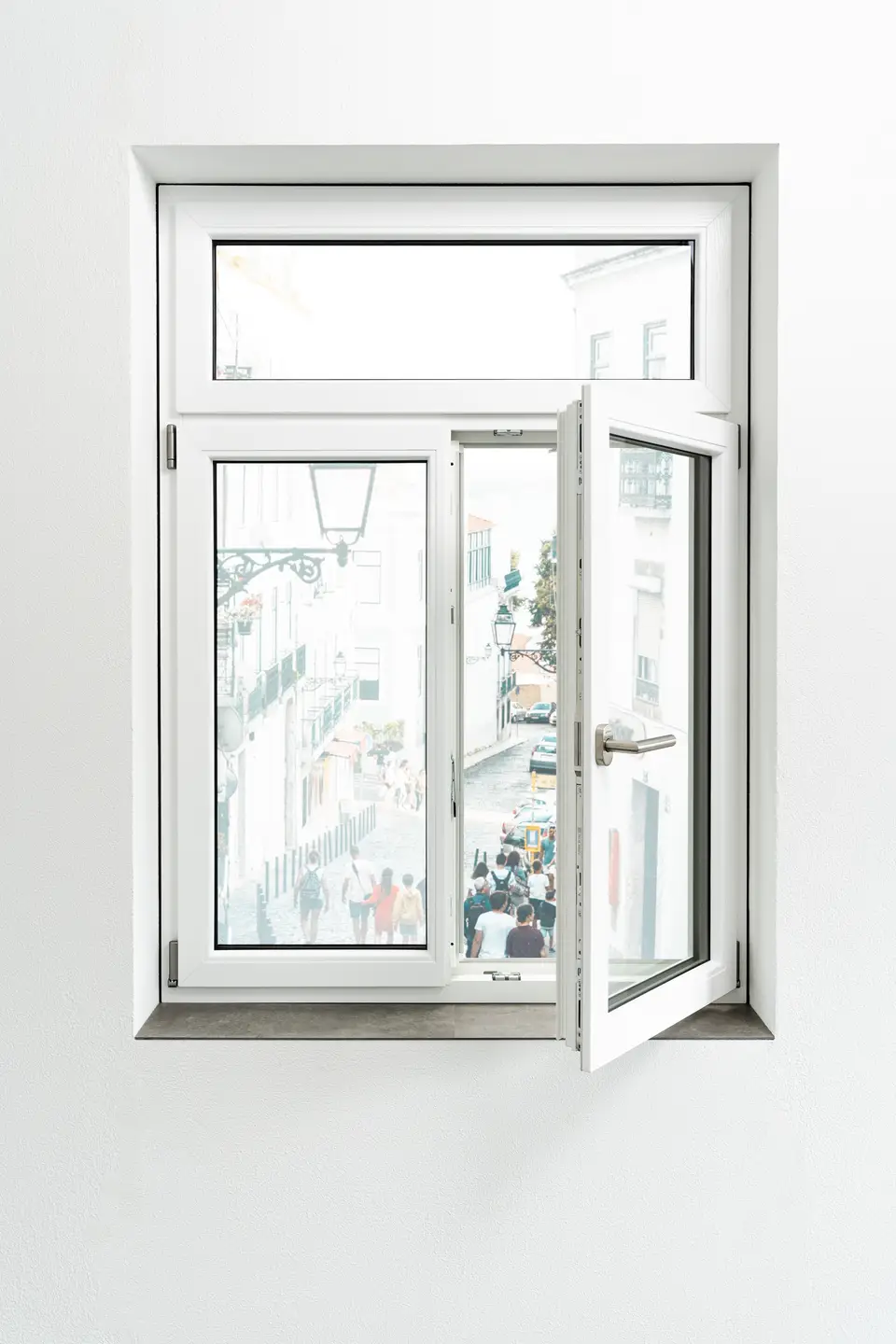
A single, robust handle controls two distinct functions. By turning the handle 90 degrees, the entire window sash swings inward, opening like a casement door.
This provides a wide, unobstructed view, allows for maximum ventilation, and makes the task of cleaning the exterior glass both safe and effortless from inside the room.
Turning the handle a full 180 degrees engages the second function, tilting the top of the sash inward to create a secure opening.
This remarkably versatile dual-action operation is the signature feature of European style windows, offering a level of user control that is simply not possible with standard hung or sliding designs.
It allows for gentle, draft-free air circulation, even during light rain, and the multi-point locking system it engages creates a superior, airtight seal when fully closed.
Superior Thermal Performance and Energy Efficiency
The advanced functionality of these windows is matched by their exceptional thermal performance, which stems from a combination of superior materials and intelligent design.
The frames themselves are engineered as insulators. Unlike solid or simple hollow profiles, they feature complex, multi-chambered designs that create internal air pockets, drastically reducing the transfer of heat and cold through the frame material.
Furthermore, while double-pane glass is a common baseline in many markets, high-performance German windows often feature triple-pane glazing units as a starting point.
These units are typically filled with a dense, inert gas like argon and are treated with multiple layers of invisible low-emissivity (Low-E) coatings.
This sophisticated glazing package works to reflect heat to its source—keeping warmth inside during the winter and deflecting the sun’s heat in the summer.
When combined with the system’s best-in-class airtightness, these features work in concert to dramatically lower energy consumption and create a more stable, comfortable indoor climate.
Durability, Security, and Sourcing Considerations
The higher initial investment in German-engineered windows pays long-term dividends through remarkable durability and enhanced security.
The materials are chosen for longevity; uPVC profiles are typically thick-walled and reinforced with steel to prevent warping, while their advanced chemical formulations resist UV degradation and discoloration for decades.
The robust hardware of the tilt-and-turn mechanism serves a dual purpose.
Beyond its smooth operation, the multi-point locking system anchors the sash to the frame in several places, creating a formidable barrier against forced entry that is vastly superior to simple latches.
Accessing these advanced systems requires partnering with knowledgeable suppliers who understand the product’s technical demands.
Fortunately, a growing number of dedicated window companies in illinois and across the nation now specialize in importing and correctly installing these high-performance windows, making them more accessible than ever for discerning builders and homeowners.
An Investment in Comfort and Quality
Ultimately, what sets German windows apart from their traditional counterparts is not a single feature, but a holistic commitment to uncompromising performance. I
t is a design philosophy where several key elements converge into a single, cohesive system. This philosophy is built on a foundation of:
- Ingenious Functionality: The tilt-and-turn mechanism, which allows for both secure, draft-free ventilation and an easy-to-clean, inward-swinging operation.
- Exceptional Thermal Efficiency: Achieved through a combination of multi-chambered frames and high-performance triple-pane glazing that dramatically reduces energy loss.
- Robust Security: Multi-point locking hardware that engages around the entire perimeter of the sash, creating a formidable seal and a strong deterrent to forced entry.
Choosing such a window is a deliberate move away from the disposable mindset of replacing lesser products every 15 to 20 years.
It represents a long-term investment in the fabric of your home—a decision to prioritize tangible daily comfort, measurable energy savings, and lasting value.
For homeowners and builders who view a house as an integrated system and demand quality that endures, these windows offer a fundamentally different and superior solution.