Last Updated on August 11, 2026 by Rosslyn Tebbutt
Expert-approved home design choices that enhance style, function, and value
- Timeless Flooring Choices For Home Design
- Why Open Floor Plans Still Work for Modern Living
- Natural Light Features That Brighten Your Home
- Storage Solutions That Save Space and Look Great
- Kitchen Layouts Built to Last
- Neutral Color Schemes That Always Stay in Style
- Final Thoughts: Smart Design Choices That Keep Paying Off
- FAQs

Timeless Flooring Choices For Home Design
If you’ve ever looked at your floors and felt the urge to throw a rug over everything, you’re not alone.
The wrong flooring can bring down an entire space. But the right flooring?
It quietly does its job, looks fantastic, and holds up like a champ—even under the chaos of kids, pets, and parties that went one drink too far.
Hardwood, for example, is the Beyoncé of flooring. Classic. Resilient.
Ages well. It may scratch, sure, but those little scuffs turn into charm over time, not shame. If you’re not a fan of wood, go for large-format porcelain tiles.
They mimic the grain of stone or wood, last forever, and are virtually stain-resistant. That’s a win for anyone who’s dropped spaghetti with sauce twice.
Tip: Avoid the “trendy now, tacky later” trap (looking at you, neon epoxy). Go for finishes that work with your future taste, too.

Why Open Floor Plans Still Work for Modern Living
Some trends deserve to fade away (shag carpeting, anyone?), but open floor plans continue to earn their keep.
They don’t just stretch the space—they make everything feel warmer and more connected. It’s easier to chat with guests while cooking or keep an eye on your toddler trying to scale the coffee table.
The secret sauce? Defined zones. Even in an open layout, you want visual cues—like a rug under the dining table or pendant lights over the kitchen island—that say, “This is the chill area. That’s the spill area.”
Bonus: They’re great for resale value. People love light and flow. No one’s ever said, “Wow, this maze of tiny rooms makes me feel at home.”

Natural Light Features That Brighten Your Home
Sunlight is the cheapest upgrade you’ll ever love. A well-lit home doesn’t just look cleaner—it feels better. It’s like the difference between a dreary Tuesday and that first warm Saturday in spring.
Consider:
- Skylights in a hallway that usually need a light switch at noon
- Floor-to-ceiling windows that frame your space from couch level to the sky above.
- Sun tunnels—those clever light tubes—bring natural daylight into bathrooms that missed the window memo.
But here’s the kicker: light doesn’t just bounce in on its own. You’ve got to work with it.
That calls for well-placed windows and surfaces that bounce light around like pros. Speaking of glow-ups, a fresh coat of interior painting in soft whites or warm grays can make the light dance even more.
You don’t need a sunroom—just some sun sense.
Storage Solutions That Save Space and Look Great
Let’s face it: clutter kills vibes. And while Marie Kondo would love for you to own four items and a houseplant, real life requires a little more storage.
Built-ins are the unsung heroes of functional design. Think wall-to-wall bookshelves that double as gallery walls, or under-the-stair drawers for everything from dog leashes to last year’s Halloween decorations.
Try these smart storage ideas:
- Toe-kick drawers in the kitchen
- Window benches with hidden compartments
- Vertical wall cabinets in bathrooms
- Mudroom cubbies with individual hooks and bins
Storage should be like a good assistant—always there when you need it, never stealing attention from the main act.
Kitchen Layouts Built to Last
Some folks live to cook, others just like hanging out where the snacks are. Either way, you’re in it daily—so why suffer?
A solid kitchen layout keeps you moving, not bumping into things. The golden rule: the working triangle.
That’s the sweet spot connecting your fridge, stove, and sink—where kitchen flow just clicks. If it feels awkward now, it’s going to feel worse during the holidays.
L-shaped and U-shaped designs remain favorites for a reason. They make everyday cooking easier and the space more efficient.
Add an island for bonus prep space, but only if it doesn’t cramp the room. Nothing says “design fail” like having to shimmy sideways between barstools.
And don’t forget: outlets. Always more outlets.

Neutral Color Schemes That Always Stay in Style
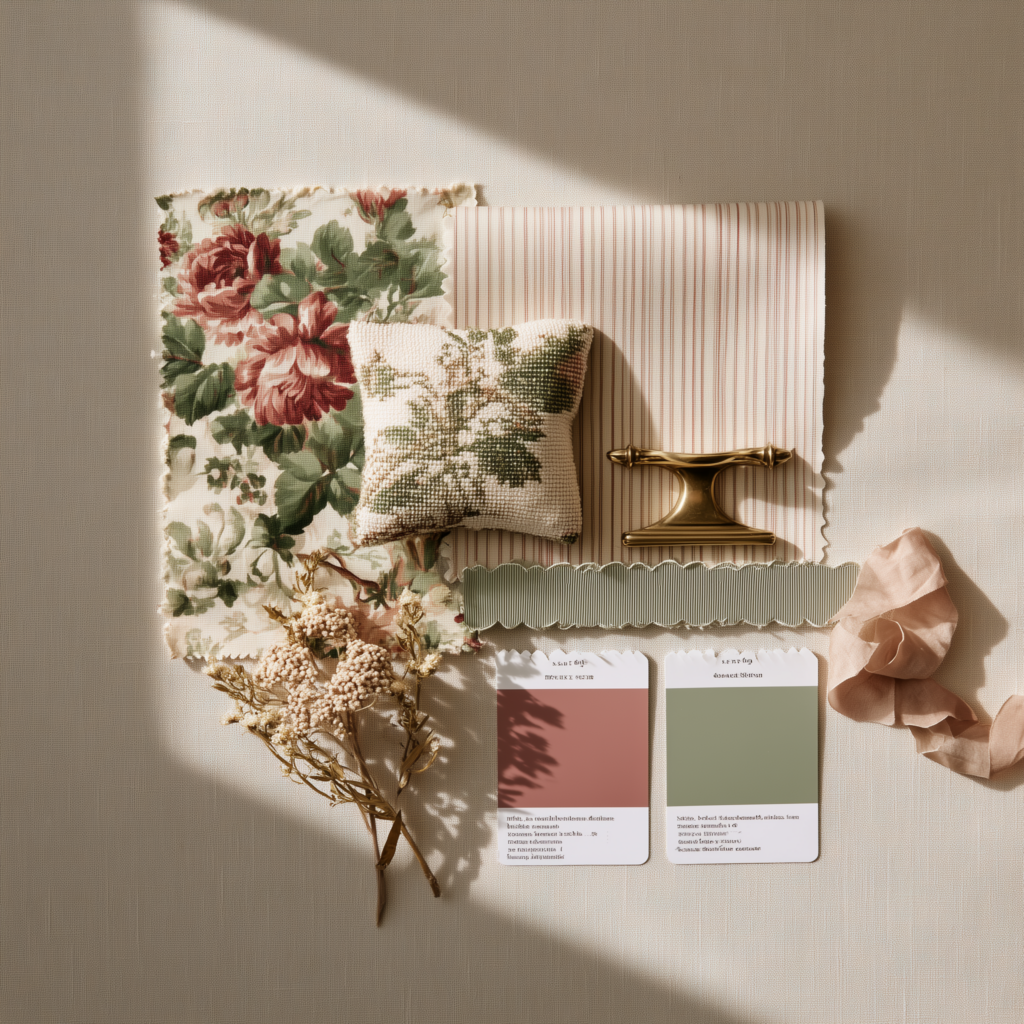
Color trends are fun until you repaint every two years. Neon peach might look good on a Pinterest board, but it’s not always kind at 6 a.m. under bathroom lighting.
Neutrals aren’t boring—they’re flexible. They’re the jeans of design. You can dress them up, down, and accessorize them a thousand ways.
A beige wall with matte black fixtures? Sleek. A muted grey bedroom draped in linen layers? That’s comfort with class. Cozy without trying too hard.
Pro tip: Paint big sample swatches on your walls before committing. That tiny chip in the hardware store lies.
And if you must go bold, do it in a space you don’t mind repainting—like a powder room. Or your teenager’s mood-swing den.

Final Thoughts: Smart Design Choices That Keep Paying Off
A well-designed home doesn’t just impress guests—it serves you.
Years down the road, when the floors still look sharp, the kitchen still flows, and the color scheme doesn’t make you cringe, you’ll thank yourself. Loudly.
It’s not about spending more. It’s about spending smart. Choose what you’ll love living with, not just what’s trending.
Trends come and go, but smart design sticks around—and won’t have you reaching for the sledgehammer later.
FAQs
What’s the most important home design decision I can make early on?
Start with flooring. It impacts every room, every step, and sets the tone for your design vibe. A solid floor is a long-term relationship worth investing in.
Are open floor plans losing popularity?
Not really. People still love the flow and space. The trick is using furniture, rugs, and lighting to create boundaries without building walls.
How do I increase natural light without doing major renovations?
Use mirrors strategically, opt for lighter wall colors, and keep window treatments light or minimal. Even trading thick curtains for airy sheers can change the vibe.
Is it worth building custom storage into my home?
Definitely, built-ins add everyday convenience and can bump up your home’s market appeal, too. They help keep your space feeling open instead of crammed with extra furniture.
What should I do if I can’t stand the wall color I chose?
Don’t panic. That’s one of the simplest fixes in the book. Keep a shortlist of backup neutrals, and remember: lighting shifts color—test before you commit.