Last Updated on June 12, 2026 by Rosslyn Tebbutt
Transitional interior design strikes the perfect balance between traditional elegance and modern simplicity.
It blends classic sophistication with contemporary clean lines, creating a timeless and effortlessly stylish look.
- Core Principles of Transitional Interior Design
- Variations of Transitional Interior Design
- Room-by-Room Transitional Interior Styling Guide
- Small Space Solutions in Transitional Design
- Transitional Lighting Guide
- Sustainability in Transitional Interior Design
- DIY and Budget-Friendly Transitional Decor Ideas
- Transitional Interior Dos and Don’ts
- Conclusion
If you love refined comfort, neutral palettes, and a mix of old and new, this guide will help you achieve the perfect transitional interior.


Core Principles of Transitional Interior Design
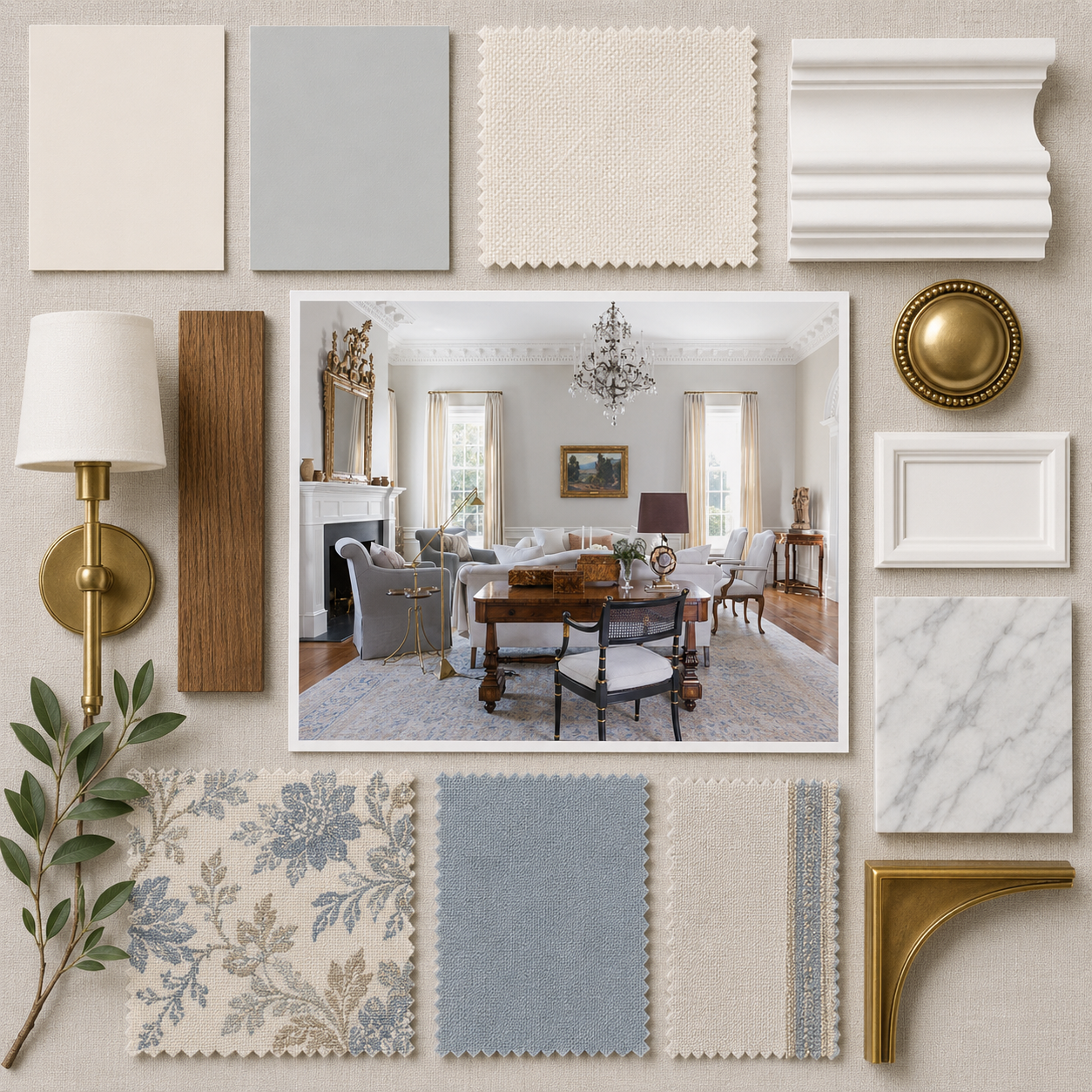
Balanced Blend of Old and New
Transitional interiors combine traditional details with modern minimalism, ensuring a space that feels both inviting and sophisticated.
Neutral and Timeless Color Palette
The color scheme is subtle, neutral, and calming, featuring whites, beiges, taupes, grays, and soft earth tones.
Simple Yet Elegant Furnishings
Furniture has clean lines with soft curves, avoiding ornate carvings or ultra-sleek silhouettes. Upholstery is often plush and inviting, favoring materials like linen, velvet, and textured weaves.
Minimal Yet Refined Decor
Transitional design avoids clutter, opting for thoughtful decorative accents like sculptural vases, abstract artwork, and statement mirrors.


Variations of Transitional Interior Design
Classic Transitional
- Features traditional furniture with modern fabrics
- Uses soft neutral tones with rich textures
- Balances warm wood tones with contemporary finishes
Modern Transitional
- Leans more contemporary with streamlined furniture
- Uses sleek materials like glass, metal, and polished wood
- Features minimalist decor with bold statement pieces
Glam Transitional
- Incorporates luxurious touches like velvet, gold accents, and crystal lighting
- Uses a neutral base with hints of blush, navy, or deep green
- Blends traditional furniture with modern glam details

Room-by-Room Transitional Interior Styling Guide
Living Room
- Seating: Opt for plush sofas with clean silhouettes in neutral hues
- Coffee Tables: Choose wood, glass, or marble-topped tables with simple lines
- Lighting: Use oversized table lamps, sleek floor lamps, or statement chandeliers
- Decor: Keep it minimal yet inviting with textured pillows, layered rugs, and abstract art


Kitchen
- Cabinetry: Shaker-style or flat-panel cabinets in soft neutral tones
- Countertops: Quartz, marble, or granite for a sleek yet timeless look
- Backsplash: Subway tiles, geometric patterns, or marble slabs
- Fixtures: Brushed nickel, matte black, or brass hardware for contrast


Dining Room
- Table & Chairs: A solid wood dining table paired with upholstered or mixed-material chairs
- Lighting: Modern chandeliers or pendant lights for a striking yet subtle touch
- Decor: Minimal centerpieces like ceramic vases, sculptural bowls, or fresh greenery


Bedroom
- Bed Frame: Upholstered or wood bed frames with a simple, elegant headboard
- Bedding: Soft linen, cotton, or velvet bedding in muted tones
- Nightstands: Sleek yet warm wood or lacquered nightstands
- Lighting: Table lamps or modern sconces with a classic twist


Bathroom
- Vanity: Floating or shaker-style vanities with marble or quartz countertops
- Tiles: Classic subway tiles, herringbone, or geometric patterns
- Bathtub: Freestanding modern tub or clawfoot tub with sleek fixtures
- Fixtures: Brushed brass, chrome, or matte black for a refined touch


Small Space Solutions in Transitional Design
- Use mirrors to enhance light and create the illusion of space
- Stick to a cohesive neutral palette to avoid overwhelming small rooms
- Choose multi-functional furniture like storage ottomans and sleek console tables

Transitional Lighting Guide
- Chandeliers: Elegant yet minimalist fixtures for dining and living rooms
- Table Lamps: Sleek bases with simple linen shades
- Wall Sconces: Subtle accent lighting for hallways and bathrooms
- Recessed Lighting: Provides a clean, modern look while ensuring brightness

Sustainability in Transitional Interior Design
- Use reclaimed wood and eco-friendly materials for furniture
- Opt for low-VOC paints and natural fabrics
- Choose LED lighting and energy-efficient appliances
- Repurpose vintage pieces with modern finishes

DIY and Budget-Friendly Transitional Decor Ideas
- Update old furniture with new upholstery or a fresh coat of paint
- Create a statement wall with neutral wallpaper or wood paneling
- Mix high and low pieces to achieve an upscale look on a budget
- Layer textures like linen throws, velvet pillows, and wool rugs

Transitional Interior Dos and Don’ts
Dos:
✔ Balance classic and modern elements seamlessly
✔ Stick to a neutral color palette with depth and contrast
✔ Incorporate layered textures for warmth and dimension
✔ Use minimal yet meaningful decor
✔ Focus on quality materials and timeless silhouettes
Don’ts
✖ Over-clutter your space—simplicity is key
✖ Use overly bold colors—stick to subtle, muted hues
✖ Mix too many styles—transitional should feel cohesive
✖ Forget about lighting—layered lighting creates the right ambiance
✖ Ignore comfort—transitional design should feel livable and inviting

Conclusion
Transitional interior design is the perfect blend of classic charm and modern simplicity.
By combining timeless furnishings, a neutral palette, and balanced decor, you can create a home that feels elegant yet comfortable.
Whether you prefer a classic, modern, or glam transitional approach, following these guidelines will help you achieve a well-balanced and effortlessly stylish space.