Last Updated on June 12, 2026 by Rosslyn Tebbutt
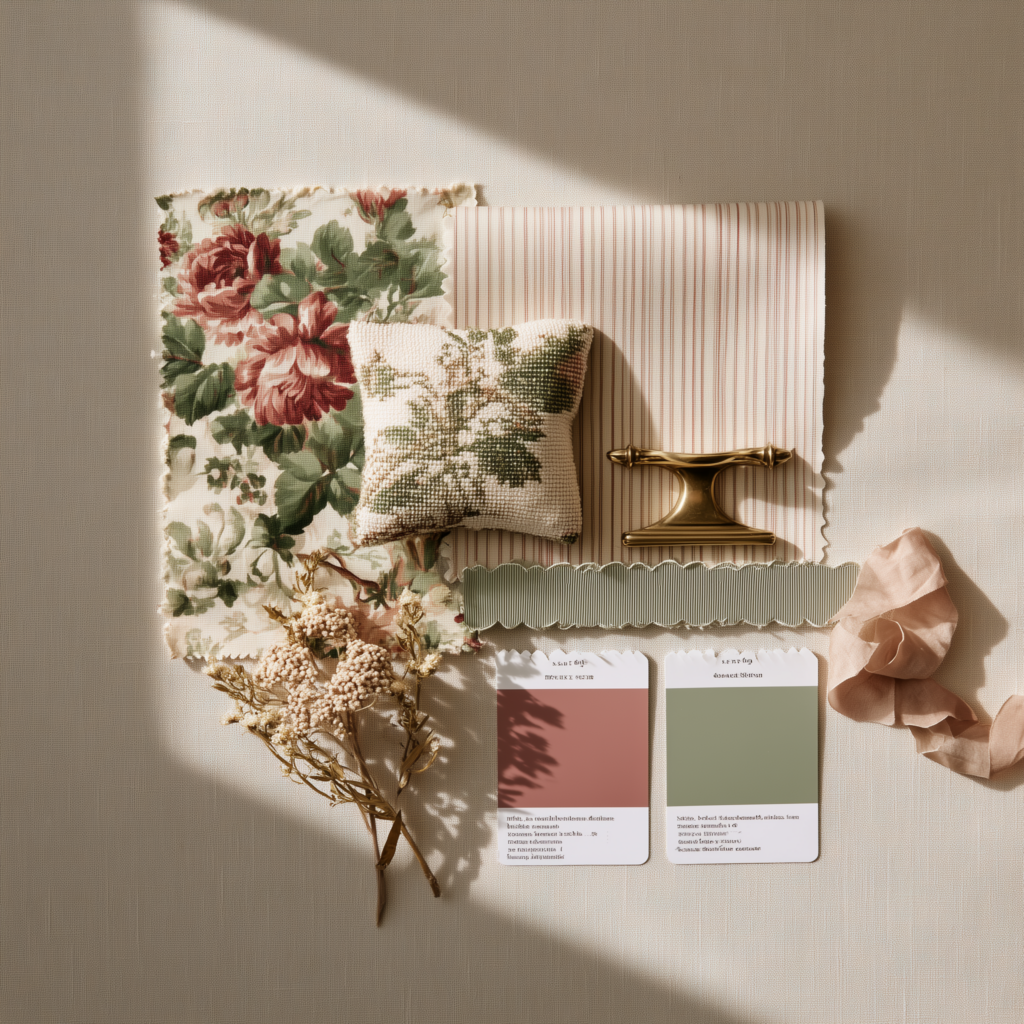
Victorian interior design is rich with history, refinement, and romance.
Originating during the reign of Queen Victoria (1837–1901), this style reflects an era of industrial innovation and cultural fascination with ornamentation, craftsmanship, and global influence.
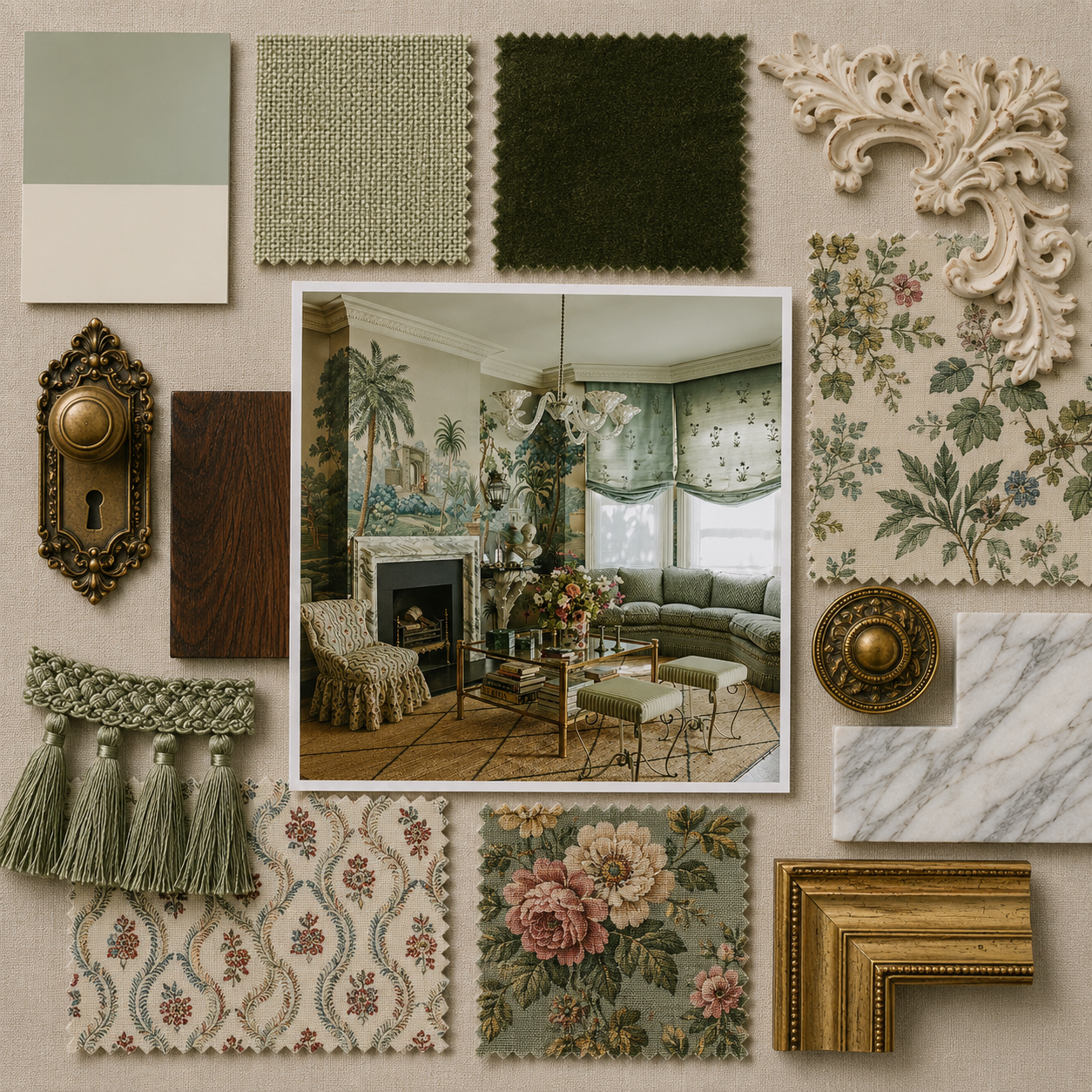

From carved wood and heavy drapery to floral wallpaper and gilded accents, Victorian interiors are all about drama and detail.
Yet when applied thoughtfully, the style feels warm, elegant, and utterly timeless—not overly stuffy or outdated.
Whether you’re restoring a heritage home or adding classic touches to a modern space, this guide will help you channel the layered beauty of Victorian design with sophistication and intention.

Core Principles of Victorian Design
To fully embrace the Victorian aesthetic, start with an understanding of the era’s distinct design characteristics.
1. Ornate Detailing
Victorian spaces are never plain. Moldings, ceiling roses, wainscoting, tassels, carvings, and embroidered fabrics are central to the style’s ornate charm.
2. Rich, Moody Color Palette
Deep hues like burgundy, emerald green, navy, gold, and mauve dominate the Victorian palette, often layered in the same room for dramatic effect.
3. Mixed Textures and Materials
Expect a generous mix of velvet, brocade, silk, lace, wood, marble, and brass. Texture is essential for creating depth and richness.
4. Statement Furniture
Victorian furniture tends to be large, curved, and heavily embellished. Think clawfoot legs, tufted upholstery, and dark polished wood.
5. Decorative Maximalism
Every surface is an opportunity for decoration—from gallery walls to mantels filled with porcelain, books, and curiosities.


Victorian Style Variations
While rooted in 19th-century tradition, Victorian interiors can take on different personalities depending on your interpretation.
Gothic Victorian
Darker and more dramatic—features pointed arches, stained glass, and deep jewel tones. Perfect for period homes or dramatic focal spaces.
Romantic Victorian
Soft and feminine—leans into florals, lace, curved silhouettes, and pastel touches for a gentler take on the style.
Modern Victorian
Blends traditional architecture with modern furniture or minimalist elements. Retains key period features but updates the palette and layout.
Eclectic Victorian
Combines Victorian grandeur with global influences—like chinoiserie, Egyptian motifs, or Moroccan decor—popular during the imperial era.


Room-by-Room Victorian Styling Guide
Living Room
- Seating: Tufted velvet sofas, fainting couches, and carved wood armchairs. Add fringe or tassel accents.
- Décor: Use antique mirrors, oil paintings, crystal decanters, and ceramic figurines.
- Materials: Rich woods like mahogany and walnut, velvet upholstery, and marble-topped tables.

Kitchen
- Cabinetry: Painted wood with ornate trim, glass-front doors, and brass knobs or handles.
- Countertops: Soapstone, marble, or wood butcher block surfaces.
- Lighting: Use pendant lights or lanterns with etched glass or filigree details.
- Accessories: Display fine china, copper pots, and lace-trimmed linens.
Dining Room
- Table and Chairs: A large mahogany dining table paired with carved high-back chairs.
- Lighting: Crystal chandeliers or wall sconces with candle-style bulbs.
- Table Styling: Use ornate tablecloths, candelabras, and bone china.

Bedroom
- Bed Frame: A canopy or sleigh bed in dark wood or brass. Tufted or carved headboards are ideal.
- Textiles: Layer quilts, lace-trimmed sheets, velvet throws, and tasseled cushions.
- Lighting: Bedside lamps with fringed or frosted glass shades.
- Décor: Include dressing tables, gilded mirrors, and framed portraits.


Bathroom
- Vanity: Use a wooden or marble-topped console with vintage hardware.
- Tiles: Black-and-white checkerboard, floral motifs, or mosaic borders.
- Fixtures: Clawfoot tubs, high-tank toilets, and antique brass taps.
- Details: Incorporate lace-trimmed hand towels, soap dishes, and floral arrangements.

Workspace
- Desk Area: Opt for a writing desk with turned legs or an antique secretary.
- Chair: A tufted or carved wood chair with embroidered upholstery.
- Décor: Add a globe, leather-bound books, inkwells, and botanical prints.

Styling Small Spaces in Victorian Design
- Choose one statement piece—like a velvet chair or floral wallpaper—to anchor the room.
- Use mirrors with gilded frames to reflect light and open up the space.
- Stick to lighter Victorian palettes (sage green, dusty rose) to avoid overwhelming the room.
- Opt for tall, narrow furniture to draw the eye upward.

Victorian Lighting Guide
- Chandeliers: Look for ornate brass or crystal chandeliers with multiple arms and candle bulbs.
- Pendant Lights: Choose fixtures with etched glass, filigree detailing, or fringe.
- Wall Sconces: Use antique-style sconces with soft, diffused light.
- Table Lamps: Think stained glass, porcelain bases, or fabric shades with beaded fringe.

Sustainability in Victorian Design
- Buy secondhand or antique furniture instead of new reproductions.
- Reupholster and restore vintage pieces instead of discarding them.
- Use low-VOC paints and natural textiles like wool, cotton, or linen.
- Opt for handmade or artisan pieces to support traditional craftsmanship.
- Repurpose architectural salvage—like doors, windows, and mantels.

DIY and Budget-Friendly Victorian Decor Ideas
- Framed Botanical Prints: Print vintage illustrations for gallery walls.
- DIY Tassel Trim: Add fringe to curtains, cushions, or tablecloths with fabric glue or sewing.
- Upcycled Mirrors: Paint or gild thrifted frames for a Victorian touch.
- Pressed Flowers: Frame pressed blooms behind glass for delicate wall art.
- Victorian Candleholders: Repurpose old brass or ceramic items as candle stands.
Do’s
✔ Embrace rich fabrics and intricate patterns
✔ Layer textures—lace, velvet, fringe, and polished wood
✔ Mix antique and modern elements thoughtfully
✔ Choose statement lighting to anchor each room
✔ Decorate with intention—details matter
Don’ts
✖ Don’t simplify too much—Victorian design celebrates ornament
✖ Don’t use overly modern finishes or flat-pack furniture
✖ Don’t rely solely on dark colors—balance with light accents
✖ Don’t ignore craftsmanship—quality and detail are essential
✖ Don’t overcrowd—be selective and strategic with décor


Conclusion
Victorian interiors remain one of the most decorative and historic interior design styles.. With its dramatic flair, refined materials, and focus on craftsmanship, it invites you to slow down and enjoy the art of living well.
Whether you’re renovating a heritage home or just adding Victorian flair to your apartment, this guide offers all the inspiration and structure you need to design with elegance, personality, and a touch of 19th-century charm.
Looking for more heritage-inspired design guides? Stay tuned for more historical and cultural style insights to elevate your interiors with timeless impact.
Related Styles
- Traditional
- Neo-Classical
- Shabby Chic