Last Updated on July 7, 2026 by Rosslyn Tebbutt
Neo-Classical interior design is a timeless style rooted in grandeur, harmony, and classical beauty.
Merging in the mid-18th century as a revival of Greco-Roman art and architecture, this aesthetic blends classical refinement with modern elegance—creating spaces that feel stately, serene, and dignified.
This refined approach reflects the rise of quiet luxury in interior design, where understated elegance and timeless materials take precedence over trend-driven styling.
Explore Interior Design Trends →
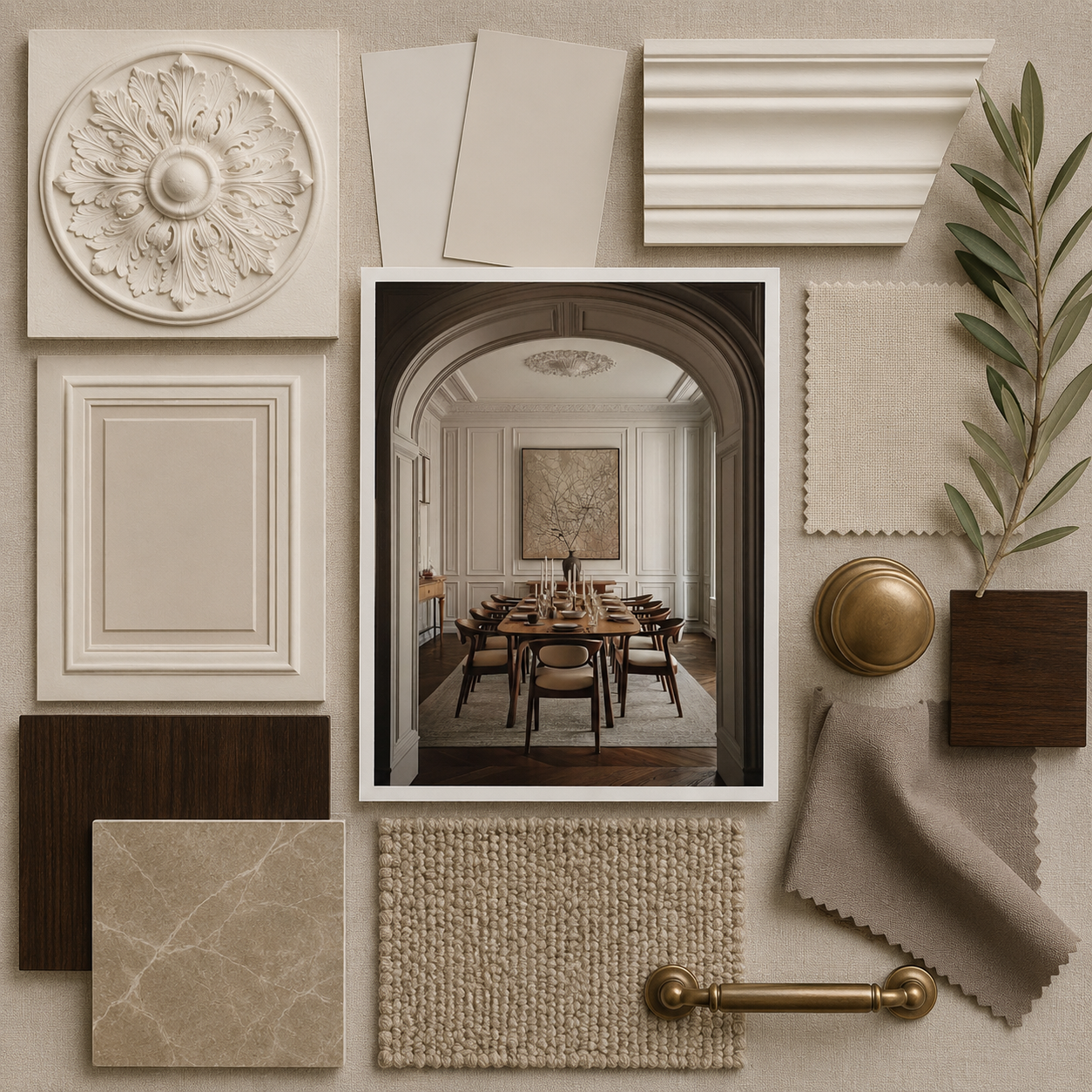

Defined by symmetry, soft color palettes, sculptural elements, and an emphasis on scale and proportion, Neo-Classical design continues to influence everything from luxury homes to high-end hotels.
It’s a style direction that commands attention without being ostentatious, embracing both discipline and opulence.
Whether you’re inspired by antique columns, marble statues, or refined moldings, Neo-Classical interiors offer a graceful way to bring sophistication and structure to your space.
This guide explores the core elements of the style, its key variations, and how to create a polished yet inviting Neo-Classical home—one room at a time.


Core Principles of Neo-Classical Design
To master this elegant style, it’s essential to understand the classical design philosophy that underpins it.
1. Symmetry and Proportion
Balance is the cornerstone of Neo-Classical interiors. Furniture placement, architectural elements, and decor are arranged symmetrically to evoke a sense of formality and calm.
This focus on structure and restraint is also seen in minimalist interiors, where simplicity and proportion guide the design.
Explore the Minimalist Interior Design Style Guide →
2. Classical Architecture
Neo-Classical design draws heavily on Greco-Roman forms—think columns, pilasters, pediments, and cornices. Arches and coffered ceilings are also key architectural features.
3. Soft, Muted Color Palettes
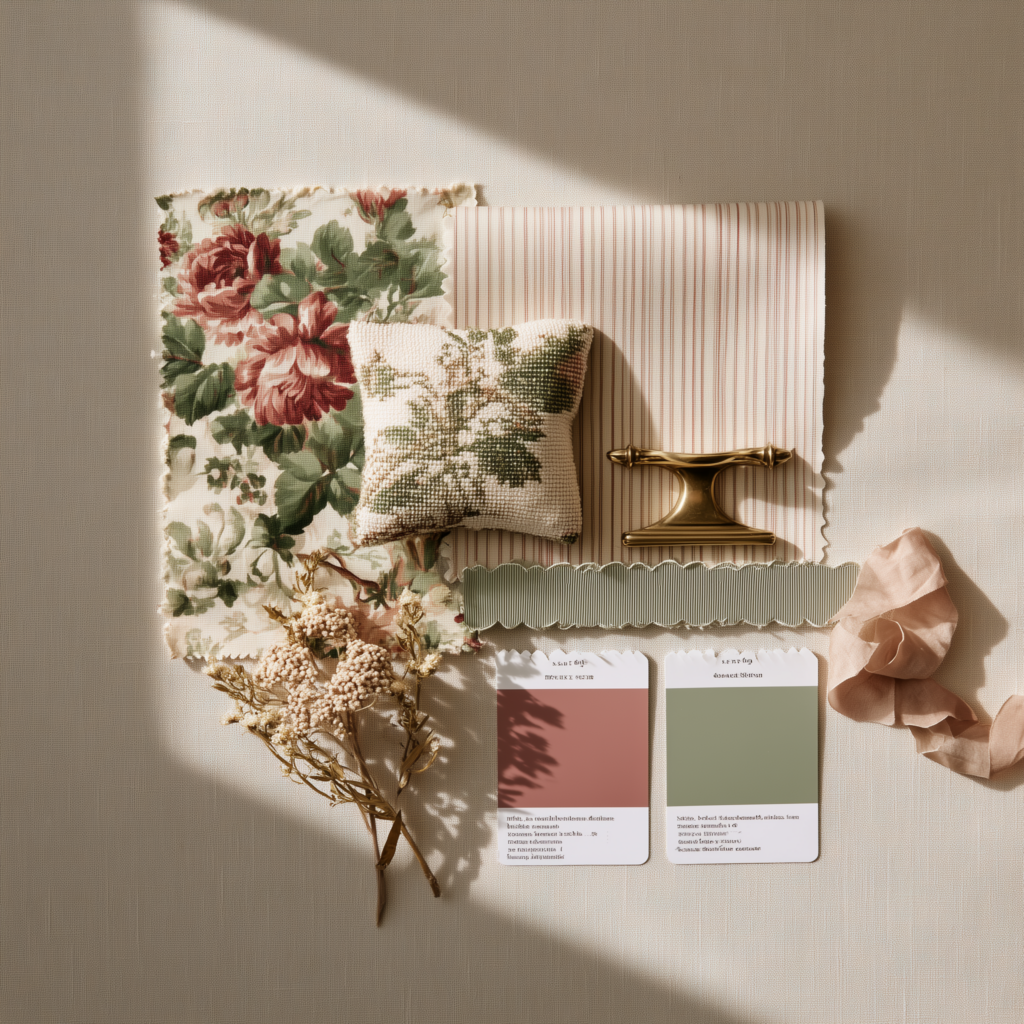
The palette typically includes creams, ivory, soft greys, pale blues, sage, and dusty rose. These hues serve as a refined backdrop to allow architectural details and art to shine.
These soft, layered neutrals are central to timeless interiors, creating a calm and balanced foundation that allows architectural details to stand out.
Explore Interior Color Trends →
4. Luxurious Materials
Marble, wood, velvet, silk, plaster, and gilded finishes are essential to the style. Surfaces are tactile and refined, never overly rustic or glossy.
This emphasis on refined materials and elegance also connects to Art Deco interiors, where luxury and craftsmanship are expressed through bold detailing and rich finishes.
Explore the Art Deco Interior Design Style Guide →
5. Ornamentation with Restraint
Unlike Baroque or Rococo, Neo-Classical design avoids excessive embellishment. Decorative motifs—such as Greek key borders, laurel wreaths, and medallions—are used sparingly and with purpose.


Neo-Classical Style Variations
Depending on your taste and setting, Neo-Classical design can be adapted to feel more traditional or contemporary.
Classic Neo-Classical
Rich in architectural detail, with grand furniture, tall ceilings, and opulent materials. Think historic estates, European salons, and palace-inspired elegance.
Contemporary Neo-Classical
Merges classical lines with modern simplicity—cleaner silhouettes, subtler color palettes, and minimalist styling. Ideal for urban apartments or modern homes with classical flair.
This modern interpretation aligns closely with contemporary interiors, where clean lines and subtle detailing create a more understated form of elegance.
Explore the Contemporary Interior Design Style Guide →
French Empire Neo-Classical
Infuses the style with Napoleonic drama—deep colors, bronze and gold accents, and elaborate drapery. Rich, moody, and formal.
Scandinavian Neo-Classical
A lighter interpretation that emphasizes airy spaces, natural light, and restrained use of classical motifs. Pairs well with pale woods and soft linen.


Room-by-Room Neo-Classical Styling Guide
Living Room
- Seating: Choose tufted sofas, wingback chairs, or curved settees in velvet, linen, or leather. Stick to symmetrical arrangements around a central fireplace or coffee table.
- Décor: Incorporate classical busts, antique-style mirrors, and framed oil paintings. Add cornicing or panel molding to elevate the walls.
- Materials: Mix marble, wood, and brushed metals. Use a soft, patterned rug for warmth.

Kitchen
- Cabinetry: Flat or shaker-style fronts in muted tones like ivory, dove grey, or navy. Add classic brass or antique bronze hardware.
- Countertops: Marble or quartz with veining enhances the refined look.
- Lighting: Pendant lights with neoclassical detailing or chandeliers above the island.
- Accessories: Keep it minimal—elegant canisters, a sculptural fruit bowl, or vintage silver trays.

Dining Room
- Table and Chairs: Opt for a large oval or rectangular wooden table, surrounded by high-back or upholstered chairs with classical silhouettes.
- Lighting: Feature a crystal chandelier or a neoclassical brass fixture as a statement piece.
- Styling: Centerpieces can include candles in brass holders, fresh flowers, or a bust sculpture.

Bedroom
- Bed Frame: Choose a grand headboard—tufted, carved wood, or upholstered in a luxe textile. Canopies and corniced details add drama.
- Textiles: Use high-quality linens in whites, soft blues, or greys. Layer with a damask or jacquard throw.
- Lighting: Bedside sconces or lamps with sculptural bases. Consider a chandelier for overhead lighting.
- Details: Add symmetry with matching nightstands, framed art, and classical accents.


Bathroom
- Vanity: Use furniture-style vanities with marble tops and elegant fixtures. Fluted legs or paneling echo classical lines.
- Tiles: Choose Carrara marble or ceramic inlaid with borders. Patterns should be subtle and geometric.
- Lighting: Use brass or nickel fixtures with frosted glass or candle-style bulbs.
- Décor: Add a small sculpture, classical art print, or antique mirror.

Workspace
- Desk Area: Use a pedestal desk or writing table in dark wood or painted finish.
- Chair: Upholstered or curved back chairs with carved detailing.
- Décor: Keep it stately with a small bust, art books, and classical wall moldings or panels.

Styling Small Spaces in Neo-Classical Design
- Use mirrors with classical frames to enhance light and space.
- Stick to a refined palette to keep the space feeling airy and open.
- Incorporate one or two neoclassical elements—like crown molding or a decorative console—to maintain elegance without overcrowding.
- Choose multi-functional furniture that still maintains classical proportions.

Neo-Classical Lighting Guide
- Chandeliers: Crystal, bronze, or ornate plaster chandeliers are ideal centerpieces.
- Pendant Lights: Use classic shapes—globe, lantern, or bowl—with gilded or antique finishes.
- Wall Sconces: Candle-style sconces with fabric shades or crystal drops.
- Table Lamps: Opt for ceramic, brass, or glass bases with tapered or pleated shades.
- Floor Lamps: Traditional column-style bases in wood or metal with minimal decoration.

Sustainability in Neo-Classical Design
- Repurpose vintage or antique furniture with timeless craftsmanship.
- Choose natural materials—stone, wood, linen, and cotton—over synthetics.
- Use eco-friendly paints and low-VOC finishes on walls and trim.
- Invest in quality heirloom pieces that reduce waste and outlast trends.

DIY and Budget-Friendly Neo-Classical Decor Ideas
Wall Panel Molding: Add faux molding with adhesive trim and paint it to match your walls.
Framed Classical Art: Print and frame neoclassical sketches or architectural drawings.
Painted Busts: Upcycle secondhand busts with matte paint for a modern-classical twist.
Console Table Makeover: Repurpose a simple table with a new coat of paint and brass knobs.
Gilded Mirror Frame: Add gold leaf or spray paint to a thrifted mirror for a luxurious touch.
Do’s
✔ Embrace symmetry and structure
✔ Use soft, neutral, or muted color palettes
✔ Mix timeless materials like marble, wood, and metal
✔ Add classical details like molding, columns, or medallions
✔ Choose furnishings with graceful curves and elegant proportions
Don’ts
✖ Don’t overcrowd—Neo-Classical design favors refined restraint
✖ Don’t mix in overly modern or abstract decor
✖ Don’t use bright or jarring colors
✖ Don’t skip on quality—Neo-Classical thrives on well-made pieces
✖ Don’t forget architectural elements—they define the style

What are the core principles of Neo-Classical design?
Neo-Classical design is defined by symmetry, proportion, classical architecture, soft muted color palettes, luxurious materials, and ornamentation with restrained detailing. It emphasizes balance, Greco‑Roman references, and a calm, dignified elegance.
How do symmetry and proportion influence Neo-Classical interiors?
Symmetry and proportion are the balance‑defining features of Neo‑Classical interiors. Furniture placement and decorative elements are arranged in a formal, orderly way to evoke calm and structure.
What materials and colors dominate Neo-Classical style?
The style favors luxurious materials such as marble, wood, velvet, silk, plaster, and gilded finishes, paired with soft, muted color palettes like creams, ivories, soft greys, pale blues, sage, and dusty rose.
How can I style a small space in Neo-Classical design?
For small spaces, use mirrors with classical frames to enhance light and space, maintain a refined palette to keep the area airy, and add one or two neoclassical elements such as crown molding or a decorative console to preserve elegance without crowding.
What are some variations and room-by-room guidelines for Neo-Classical styling?
Neo‑Classical variations include Classic, Contemporary, French Empire, and Scandinavian interpretations. Room guidelines cover living rooms with symmetrical seating around a focal point, kitchens with muted cabinetry and marble countertops, bedrooms with grand headboards and symmetrical nightstands, and dining rooms featuring large wooden tables, neoclassical lighting, and restrained decorative centerpieces.
Conclusion
Neo-Classical interior design brings elegance, structure, and timeless beauty into the modern home.
With its roots in classical architecture and philosophy, this style honors balance, artistry, and craftsmanship—while allowing room for contemporary interpretation.
Whether you’re restoring a historic home or introducing classical charm into a modern space, this guide will help you craft an interior that feels both regal and refined.
The renewed interest in classical design reflects a broader shift toward heritage-driven interiors, where craftsmanship, history, and permanence are once again valued in modern spaces.
- Neo-Classical interior design: timeless elegance rooted in classical beauty: A revival of Greco-Roman art and architecture that combines classical refinement with modern elegance to create stately, serene spaces.
- Core principles: symmetry and proportion: Balance guides furniture arrangement and decor to evoke formality and calm through orderly, symmetrical layouts.
- Classical architecture elements: Greco-Roman forms such as columns, pilasters, pediments, cornices, arches, and coffered ceilings define the aesthetic.
- Soft, muted color palettes and luxurious materials: Creams, ivories, soft greys, pale blues, sage, dusty rose paired with marble, wood, velvet, silk, plaster, and gilded finishes shape the refined look.
- Room-by-room guide and variations: The style adapts to Classic, Contemporary, French Empire, and Scandinavian variations, with guidelines for living rooms, kitchens, bedrooms, dining rooms, and more to maintain elegance with restraint.
Explore Interior Design Trends →
Looking for more timeless design inspiration? Stay tuned for more curated interior style guides.