Last Updated on September 23, 2026 by Rosslyn Tebbutt
If 2026 interiors have a headline, it’s this: people want homes that feel personal, storied, and richly layered.
The shift is moving away from sterile, cookie-cutter spaces and toward warmth, texture, and meaningful self-expression.
One of the clearest style signals emerging from trend forecasting is Afrohemian Decor.
- What is Afrohemian Decor?
- Why Afrohemian is Peaking Now (and why it’ll stick)
- The Afrohemian Palette
- Materials and Motifs That Define the Look
- How to style Afrohemian without making it feel theme-y
- What else will be trending in interior design alongside Afrohemian in 2026
- A Note on Sourcing with Respect
- SampleBoard Mood Board Structure: Build Afrohemian in Minutes
- Why SampleBoard is Watching Afrohemian Closely
Afrohemian is more than a look. It’s a design direction rooted in craft, texture, heritage, and collected beauty.
Think woven baskets with presence, textiles that carry history, earthy warmth, and rooms that feel curated over time.
At SampleBoard, we love trends because we love evidence. And this one has it.


What is Afrohemian Decor?
Afrohemian Decor is a fusion of African and bohemian style. It blends African craft traditions, heritage motifs, and artisanal pieces with the relaxed, layered, eclectic spirit of boho interiors.
The result feels soulful, expressive, and grounded rather than overly styled.
Across trend reports and design publications, the Afrohemian look is consistently described as:
- African craft traditions paired with global boho layering
- Colorful textiles with natural fiber rugs
- Handwoven baskets and statement wall art
- Rattan, bamboo, carved wood, and earthy ceramics
- A collected feel that looks curated over time

Shop the Edit
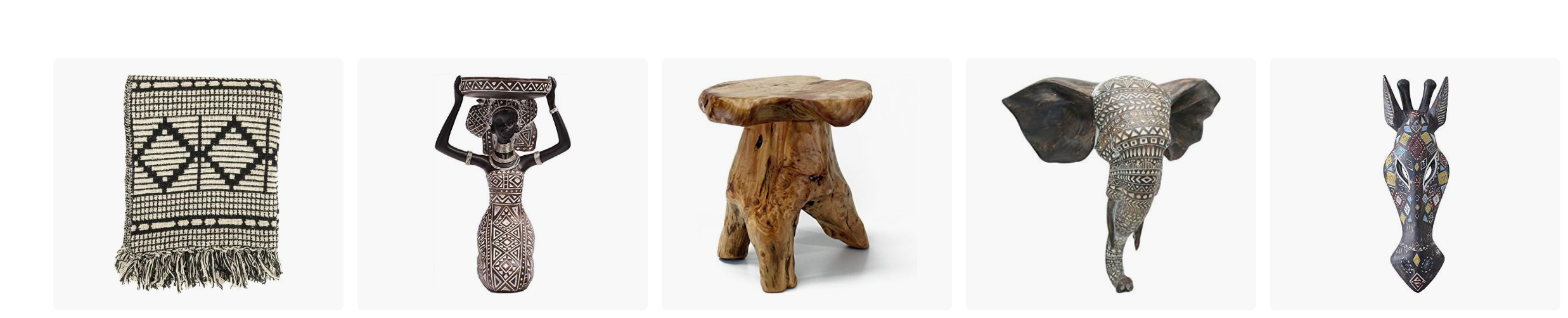
This page contains affiliate links. SampleBoard may earn a small commission at no extra cost to you.
Explore The Style
Go Deeper Into Afro-Bohemian
Style guide, curated products, and professional design tools — everything in one place.
Style Guide
Afro-Bohemian Style Guide
Material hierarchy, colour direction, furniture typology, and spatial principles.
Read the Guide →SampleBoard Studio
LIV — FF&E Design System
Transparent PNG cutout library for Bohemian concept boards and client presentations.
View in Studio →Curated Shop
Shop The Afro-Bohemian Edit
Woven baskets, carved wood, mudcloth, brass accents, and handmade ceramics.
Shop The Edit →Why Afrohemian is Peaking Now (and why it’ll stick)
Afrohemian sits at the intersection of several movements shaping 2026 interiors.
Meaningful maximalism
People are craving personality in their spaces again. Instead of minimal rooms that feel empty, interiors are returning to depth, layers, and emotional warmth. Afrohemian delivers that without looking chaotic when it’s done with intention.
Craftsmanship as the new luxury
Luxury is shifting from “perfect” to handmade. Pieces that show the maker’s hand and carry a story feel more valuable than mass-produced decor.
Refined layering
Layering is trending again, but with better editing. The next wave of maximalism is more intentional: fewer pieces, stronger choices, better composition.

Afro-Bohemian Edit
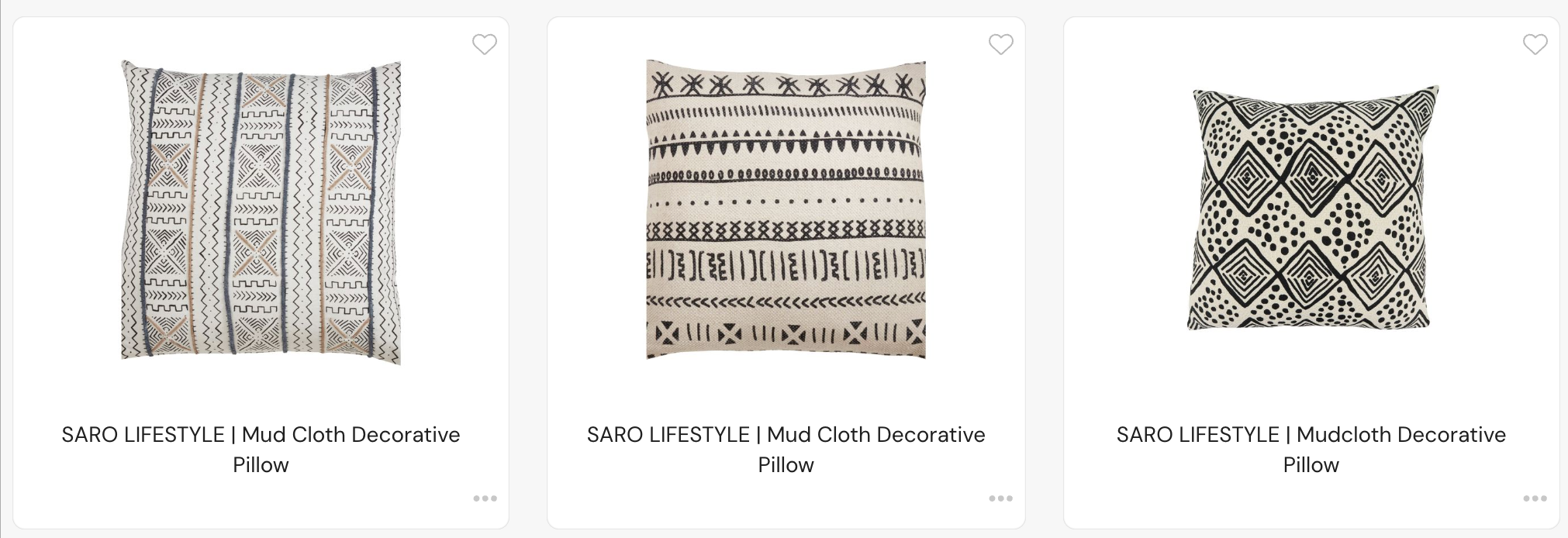
This page contains affiliate links. SampleBoard may earn a small commission at no extra cost to you.
The Afrohemian Palette
Afrohemian doesn’t have to mean bright color everywhere. A modern take uses a calm, earthy foundation and then adds intentional bursts of pigment.
Base tones
Clay, sand, cacao, warm cream, soft black, weathered wood
Accent tones
Indigo, ochre, rust, olive, deep teal, plum
This palette feels warm and lived-in, and it photographs beautifully, which is one reason it’s gaining traction on visual platforms.

Materials and Motifs That Define the Look
Afrohemian style is driven by texture. Even when the palette stays neutral, the space feels rich because the materials do the heavy lifting.
Textiles
Indigo-dyed and mudcloth-inspired patterns, woven throws, embroidered cushions, and layered rugs work especially well. A simple formula is a natural fiber rug underneath a patterned rug to create depth.
Natural textures
Raffia, rattan, cane, bamboo, sisal, jute, raw wood, carved accents, terracotta, and handmade ceramics are all key. These materials bring warmth and a grounded, organic feel.
Art and objects
Afrohemian spaces often feature one strong focal piece, like a large-scale artwork or a woven wall hanging, and then build around it with fewer but more meaningful objects.


How to style Afrohemian without making it feel theme-y
Afrohemian works best when it feels authentic and edited, not like a costume.
Start with one hero element
Pick one anchor that sets the tone: a statement rug, a large piece of art, or a woven headboard or pendant. Then build supporting elements around it.
Use a simple layering formula
Three textures: woven + wood + linen or wool
Two patterns: one bold + one subtle
One statement color: indigo or rust works beautifully
Mix old and new
Afrohemian loves contrast. Vintage pieces next to clean-lined modern furniture keep the look fresh and elevated.


What else will be trending in interior design alongside Afrohemian in 2026
Afrohemian isn’t a standalone moment. It fits naturally into several other design shifts expected to keep growing.
Refined layering and collected interiors
Homes will continue to move toward curated, lived-in styling. Expect layered rugs, mixed finishes, and meaningful objects, but with better restraint and stronger focal points.
Sculptural lighting and statement forms
Lighting will keep evolving into functional art. Sculptural pendants, organic forms, carved bases, and bold silhouettes pair perfectly with Afrohemian textures.
Big art over tiny decor
Instead of lots of small accessories, the trend is moving toward fewer pieces with more impact. One oversized artwork moment or a strong textile wall piece feels more modern than cluttered shelves.
Global glamour accents
Warmer metals and subtle glam details are returning, especially aged brass and bronze. Afrohemian can borrow this with a few strategic metallic touches while keeping the overall look earthy and grounded.
Expressive surfaces
Richer surfaces are gaining momentum again, including patterned tile, textured wall finishes, and statement drapery. These elements support Afrohemian’s love of depth and tactile richness.
A Note on Sourcing with Respect
Afrohemian is inspired by real places, real makers, and real craft traditions. The most beautiful version of this trend is built on ethical sourcing, artisan collaboration, and cultural respect.
Whenever possible, look for brands and studios that work directly with artisans, and treat handcrafted pieces as focal points, not disposable styling.

SampleBoard Mood Board Structure: Build Afrohemian in Minutes
Mood: Warm, soulful, layered, craft-forward
Palette: Clay + sand + cacao + indigo accent
Materials:Rattan, jute, carved wood, terracotta, linen
Patterns: Indigo textile + subtle geometric weave
Hero pieces: Natural fiber rug + statement art + woven pendant


Why SampleBoard is Watching Afrohemian Closely
Afrohemian Decor signals a deeper shift in interiors: people want identity, heritage, tactile comfort, and collected self-expression.
For designers, stylists, and brands, the opportunity is clear: create spaces that feel human again, layered and lived-in, but still beautifully intentional.
Shop the Afro-Bohemian Edit
Curated objects, textiles, and statement pieces — two ways to shop.
The Amazon Edit
Handcrafted objects, woven textiles, and carved forms — delivered to your door.
Shop on Amazon → ShopMyThe Full Catalogue
The complete Afro-Bohemian source list — furniture, lighting, decor, and more.
Browse on ShopMy →This page contains affiliate links. SampleBoard may earn a small commission at no extra cost to you.