Last Updated on September 23, 2026 by Rosslyn Tebbutt
Minimalism has shaped interiors for decades with its clean lines, pared-back palettes, and focus on simplicity. But as lifestyles evolve, so do design philosophies.
Homeowners today are asking more of their spaces — warmth, personality, comfort, and a sense of narrative. This is where Midimalism steps in.
Rather than rejecting minimalism, Midimalism builds on it — sitting between minimalist interiors and more layered, expressive styles seen across current interior design trends.
Predicted to take center stage in 2026, Midimalism is the natural progression of minimalism, blending its clarity and structure with the inviting textures and organic warmth of mid-century modern style.
It’s minimalism reimagined for a new era: one that balances restraint with richness, simplicity with comfort, and elegance with liveability.


Why Midimalism Is Gaining Ground
The rise of Midimalism reflects broader cultural shifts. With hybrid living now the norm, interiors need to be multifunctional, adaptable, and emotionally supportive.
Traditional minimalism, while beautiful, can sometimes feel too stark or cold for these demands.
Midimalism solves this by layering warmth onto minimalism’s foundation. Natural woods, soft textiles, tactile finishes, and muted color accents turn stripped-down interiors into welcoming environments.
It’s about creating a home that feels both visually calm and emotionally engaging — a harmony many homeowners are actively seeking.
This shift toward warmth and tactility closely aligns with organic modern interior design, where natural materials soften structured spaces.

Key Materials and Textures Defining the Look
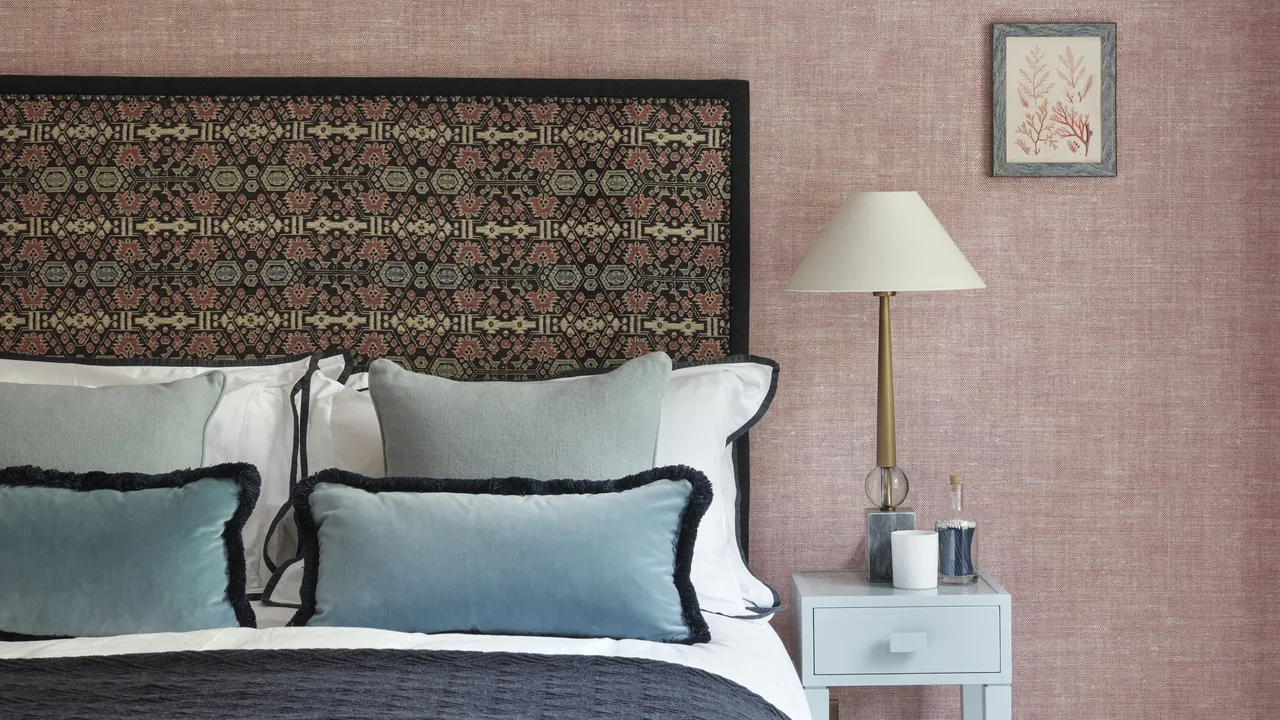
Midimalism thrives on thoughtful material choices. Expect to see:
- Timber and natural woods add depth and grounding warmth.
- Concrete and stone provide structure, softened by subtle finishes.
- Steel and metal accents are used sparingly for balance.
- These restrained metallic touches reflect a broader move toward integrating metallic accents in a more subtle, layered way rather than as dominant features.
- Textiles like wool, linen, and bouclé bring softness and tactility.
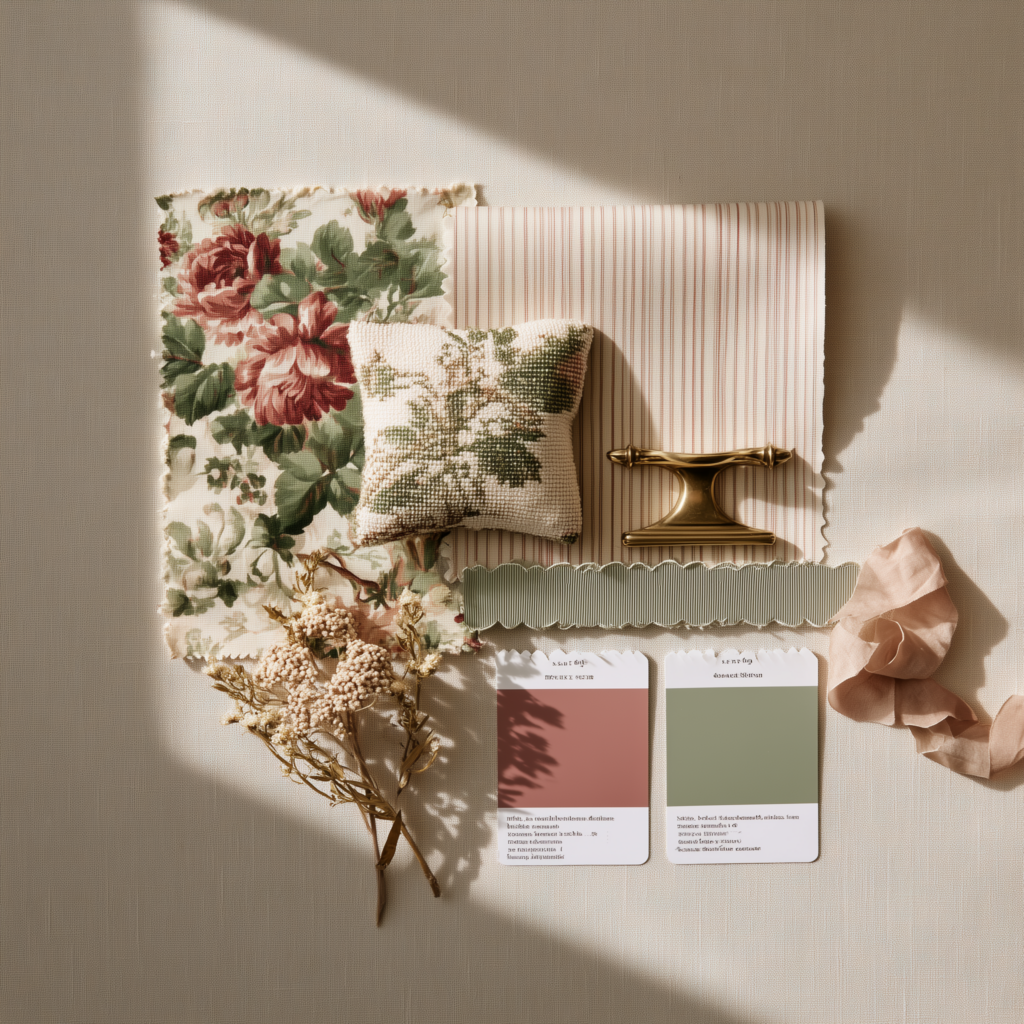
Color palettes are kept neutral at their core but expanded with earthy tones, muted greens, and timeless mid-century shades like mustard or rust.
This expanded neutral palette also reflects emerging interior color trends, where earthy tones and muted hues create depth without disrupting visual calm.
These hues enrich interiors without breaking the calm that minimalism is known for.
Balancing Simplicity with Richness
Where minimalism often reduced décor to its bare minimum, Midimalism focuses on curated layering. It’s not about more clutter — but more intention.
Each piece, material, and texture serves a purpose in the story of the space.
- A monochrome base palette is enhanced by layered surfaces.
- Furniture embraces clean silhouettes but adds comfort-driven ergonomics.
- Spaces feel both restrained and expressive, allowing personality to shine through small details.
The result is interiors that are elegant and timeless yet approachable and personal — the sweet spot between serenity and soul.
This balance between restraint and expression places Midimalism alongside styles like Neo Deco, where simplicity is enriched through materiality and tonal layering.
The Subtle Power of Curves
Midimalism also moves away from rigid geometry by introducing curves with purpose. Arched doorways, rounded furniture edges, and soft corners break up straight lines, guiding movement and adding comfort.
These shapes are never overdone but used sparingly to balance structure with flow. In 2026, curves remain relevant, but moderation and function dictate their use.
Unlike the strict geometry of Art Deco interiors, Midimalism introduces curves more sparingly, using them to soften structure rather than define it.

Midimalism as a Design Philosophy
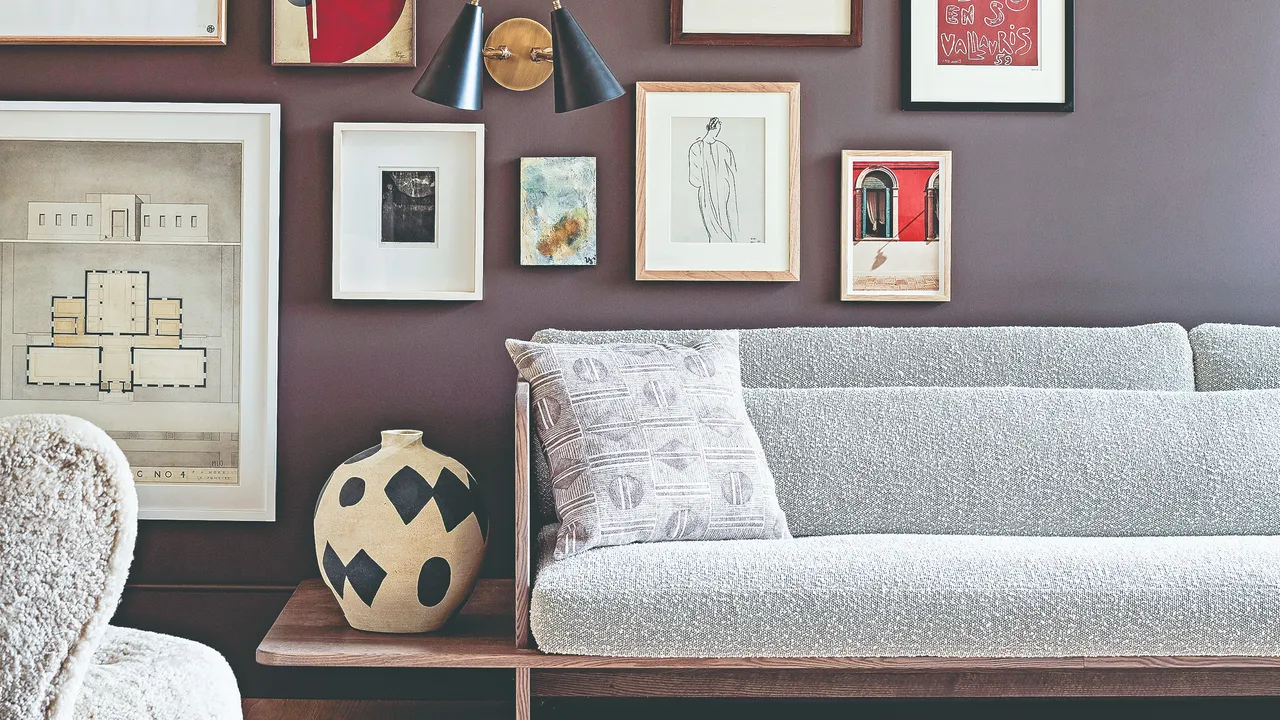
More than a style, Midimalism is becoming a design mindset. It aligns with how people want to live now: in spaces that feel uncluttered yet expressive, efficient yet warm.
This balance makes Midimalism incredibly versatile across different contexts — from urban apartments to coastal retreats.
This adaptability is what connects Midimalism to broader design trends, where flexibility, comfort, and longevity are becoming central to how spaces are designed.
It’s also deeply future-ready. By prioritizing natural materials, timeless forms, and functionality, Midimalism avoids the throwaway culture of hyper-trends and instead supports longevity and sustainability.

Why It Matters for 2026
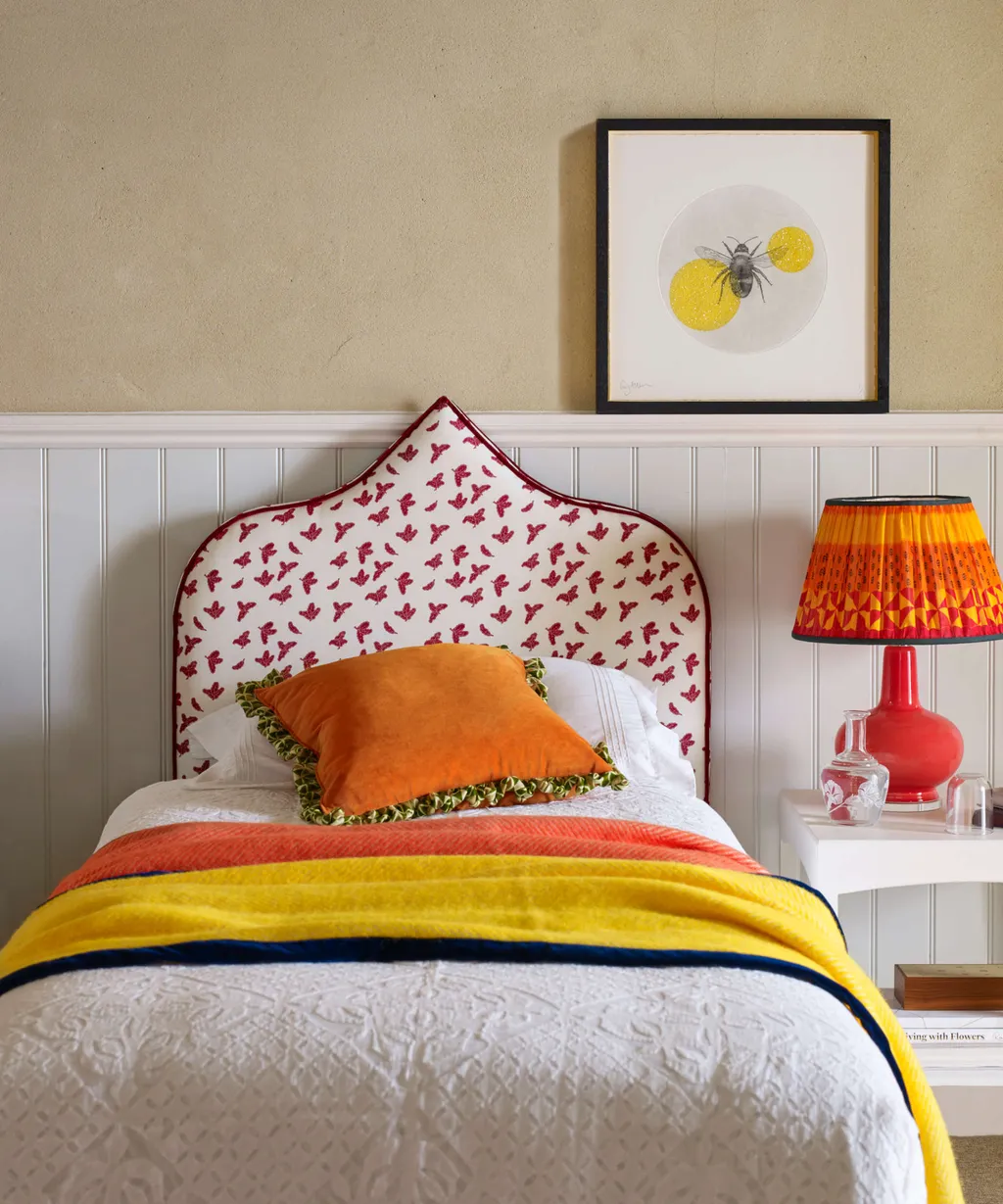
As we move into 2026, interiors are no longer defined by extremes but by balance — a direction clearly reflected in interior design trends.
Midimalism sits at the center of this shift, bridging the clarity of minimalism with the warmth of organic modern interiors and the refined layering seen in Neo Deco.
More than a trend, Midimalism represents a new way of living — one that values simplicity, but never at the expense of comfort, character, or connection.