Last Updated on September 23, 2026 by Rosslyn Tebbutt
Biophilic interior design is more than a visual style—it’s a design philosophy rooted in our intrinsic connection to nature.
By weaving natural elements, organic materials, and nature-inspired patterns into interior spaces, biophilic design enhances well-being, reduces stress, and fosters a sense of calm and connection in the modern home.


What Is Biophilic Interior Design?
Biophilic design integrates natural elements directly and indirectly into living spaces, echoing the rhythms and beauty of the natural world.
From indoor gardens and natural light to wood finishes and flowing water features, the goal is to blur the line between indoors and outdoors while supporting both psychological and physiological health.


Key Elements of Biophilic Interior Design
Abundant Natural Light
Large windows, skylights, and glass doors bring daylight into the space, supporting circadian rhythms and creating an uplifting environment. Natural light is a cornerstone of biophilic design, helping people feel more energised and grounded.

Organic Materials and Textures
Use natural finishes like wood, stone, jute, linen, and clay. These textures connect us to the earth and add sensory richness to a space—wooden furniture, woven baskets, and stone countertops are just a few examples.
Indoor Plants and Greenery
Lush foliage is a hallmark of biophilic design. Houseplants, green walls, herb gardens, and hanging planters purify the air and visually soften a space. Leafy ferns, succulents, and trailing vines add layers of life.
Nature-Inspired Forms and Patterns
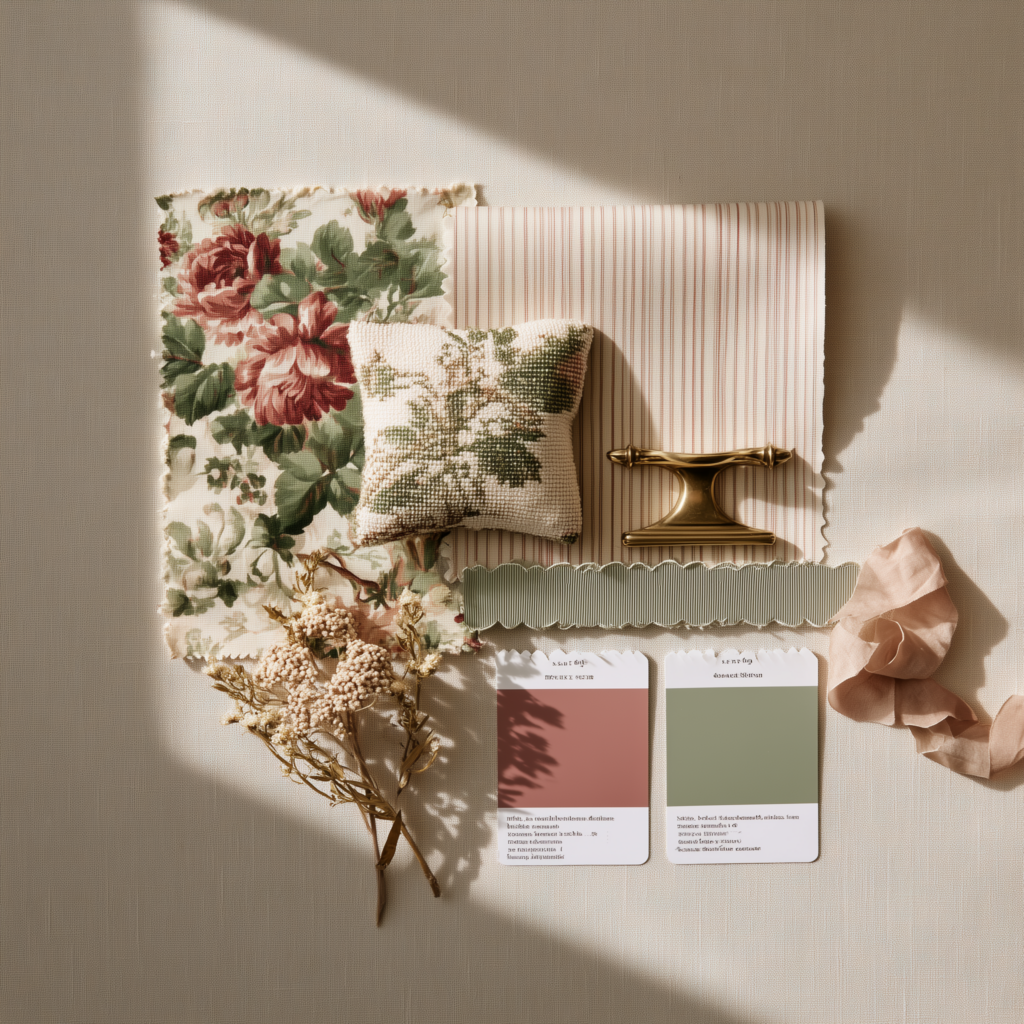
Designs that mimic nature’s curves, fractals, or patterns—such as wave-like tiles, floral wallpaper, or tree-branch chandeliers—create an organic flow. Biomorphic shapes evoke nature’s complexity and harmony.
Earthy and Soothing Colour Palette
Biophilic interiors typically use greens, browns, sky blues, warm beiges, and terracotta hues. These tones reflect the natural world and evoke calm and tranquillity.
Water Elements and Natural Sounds
Water features like indoor fountains or aquariums introduce gentle soundscapes that lower stress. Soundtracks with birdsong, rustling leaves, or ocean waves also support the sensory aspect of biophilic design.
Natural Ventilation and Fresh Air
Encouraging airflow and fresh air circulation through operable windows or ventilation systems supports health and comfort. Biophilic spaces often feel breezier and more breathable.


How to Achieve the Biophilic Look
Let Nature In
Maximize windows, open doors to gardens, and let natural light flood in. Frame outdoor views with curtains or furniture to bring nature closer.
Incorporate Layers of Greenery
Mix and match houseplants based on height, texture, and function. Utilize vertical plant walls in living areas or incorporate herbs in the kitchen for both aesthetic appeal and practicality.
Choose Sustainable, Natural Materials
Opt for eco-friendly options like reclaimed wood, bamboo flooring, cork, and clay tiles. These materials age gracefully and reduce environmental impact.
Use Colours Found in Nature
Stick to muted greens, stone greys, sand tones, and soft blues. Combine colour with texture for a truly immersive experience.
Create a Sensory Experience
Bring in natural scents using essential oil diffusers (think lavender, pine, or citrus), play natural soundscapes, and use tactile materials like wool or rattan.
Design Spaces for Pause and Reflection
Biophilic interiors promote wellness. Create nooks with comfortable seating, soft lighting, and natural surroundings for reading, meditation, or simply unwinding.


Conclusion
Biophilic interior design offers more than a pretty space—it creates a nourishing environment that supports health, happiness, and harmony.
By bringing nature indoors through light, plants, textures, and form, you can transform your home into a peaceful sanctuary that feels grounded and alive.
Whether you live in a city apartment or a countryside home, biophilic design invites nature back into your everyday life—restoring calm, creativity, and connection.
Explore more nature-inspired interior trends and styling tips on our blog.