Last Updated on August 11, 2026 by Rosslyn Tebbutt
A beautiful garden is more than a collection of plants—it’s a living, breathing space that evolves through the seasons.
While color, texture, and layout define its visual appeal, true vibrancy comes from life in motion.
The flutter of wings, the soft rustle of leaves, and the hum of a visiting bird all contribute to a sense of balance and vitality that no amount of hardscaping can replicate.
One of the simplest yet most effective ways to bring this energy into your outdoor space is through bird feeders.
When chosen and placed thoughtfully, they transform a static landscape into a dynamic ecosystem, filled with natural movement, sound, and color.
The Dynamic Beauty of Birds in Garden Design
Every garden tells a story. Some speak of order and symmetry, others of wildness and freedom.
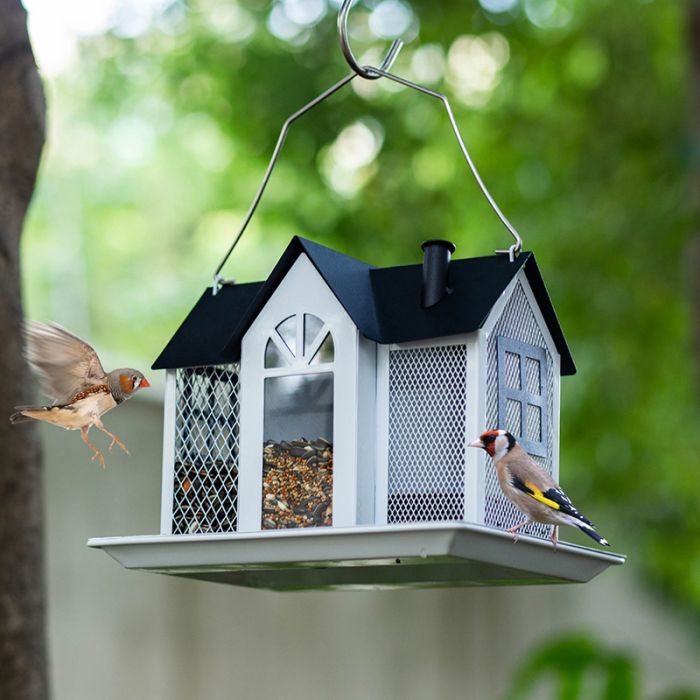
Birds add the unexpected—turning a serene morning into a symphony or a quiet afternoon into a lively spectacle.
Their presence changes the pace of the garden, creating rhythm and energy that engage the senses.
Visually, birds also complete the garden’s palette. Their plumage adds flashes of red, blue, and gold that contrast beautifully against the greens and neutrals of foliage.
From a design standpoint, movement and color work together to soften the lines of manmade elements, blending architecture and nature into a cohesive experience.
Beyond aesthetics, birds contribute to the garden’s ecological balance. Many species feed on insects and weeds, helping control pests naturally.
By welcoming them, you’re not only enhancing beauty but supporting biodiversity—a central tenet of modern sustainable gardening.
Integrating Feeders Into Garden Aesthetics
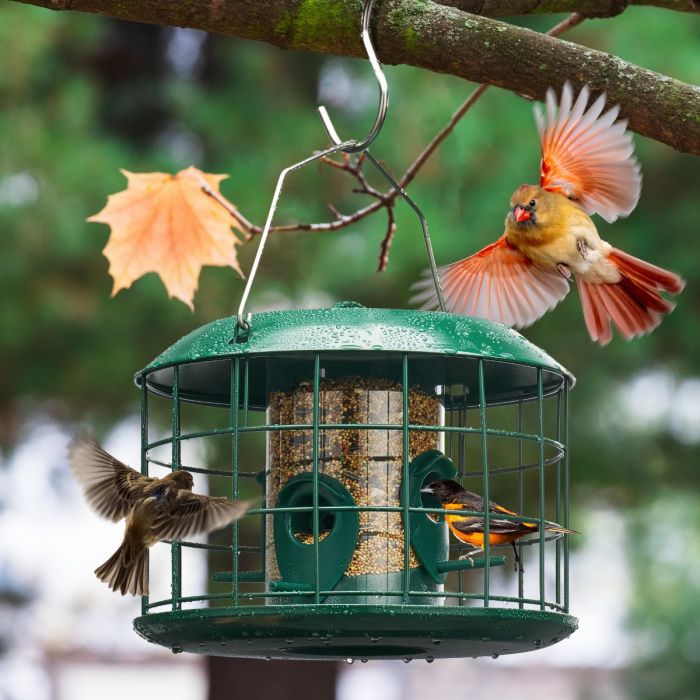
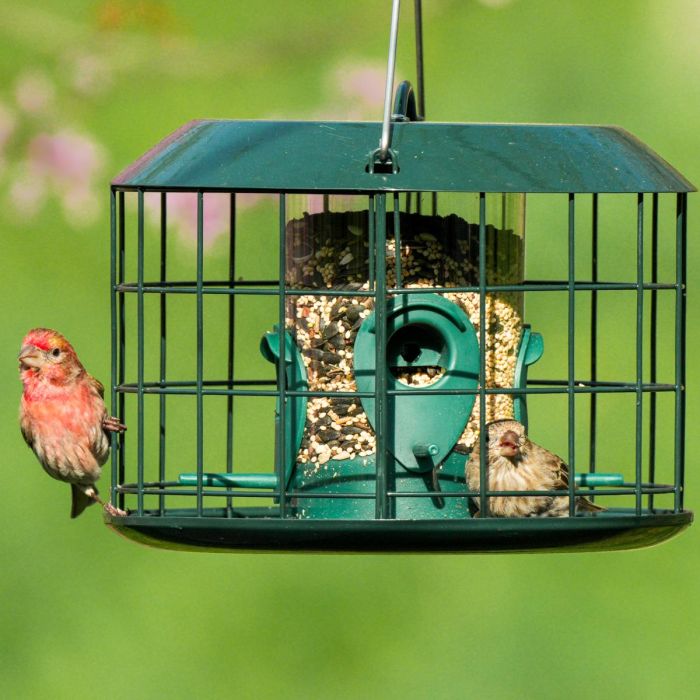
Bird feeders can be functional art pieces when integrated thoughtfully. Their placement, style, and material can complement or contrast the garden’s overall design theme.
For contemporary gardens, sleek metal or glass feeders with clean lines work beautifully against minimalist backdrops.
In cottage-style or rustic spaces, wooden or bronze designs feel natural and timeless. The key is to treat the feeder as part of your composition, not an afterthought.
When positioned near seating areas or visible from a kitchen or patio window, a feeder becomes a focal point of living design.
It encourages observation and interaction, reminding us that gardens are not just for looking at but for experiencing.
Brands like Kingsyard have perfected this balance—creating feeders that are both durable and visually appealing.
Their products blend practicality with elegance, ensuring that even a utilitarian object contributes to your outdoor décor.

The Role of Motion and Balance in Outdoor Spaces
Great gardens are built on balance—the interplay of stillness and motion, structure and spontaneity. Bird feeders embody that balance perfectly.
They introduce an element of gentle unpredictability: birds arrive, feed, and flit away, leaving behind the echo of their song.
In garden design terms, this dynamic element draws the eye and enlivens the space. The gentle sway of a hanging feeder in the wind, paired with the fleeting movement of birds, contrasts beautifully with the stability of stone paths, fences, and furniture.
Consider the visual rhythm of your garden. A well-placed feeder can act as a punctuation mark between flower beds or as a bridge between structured and wild areas.
It brings coherence to your design through movement—a concept long appreciated in landscape architecture, where the goal is to create spaces that feel alive rather than arranged.
Inviting the Hummingbirds
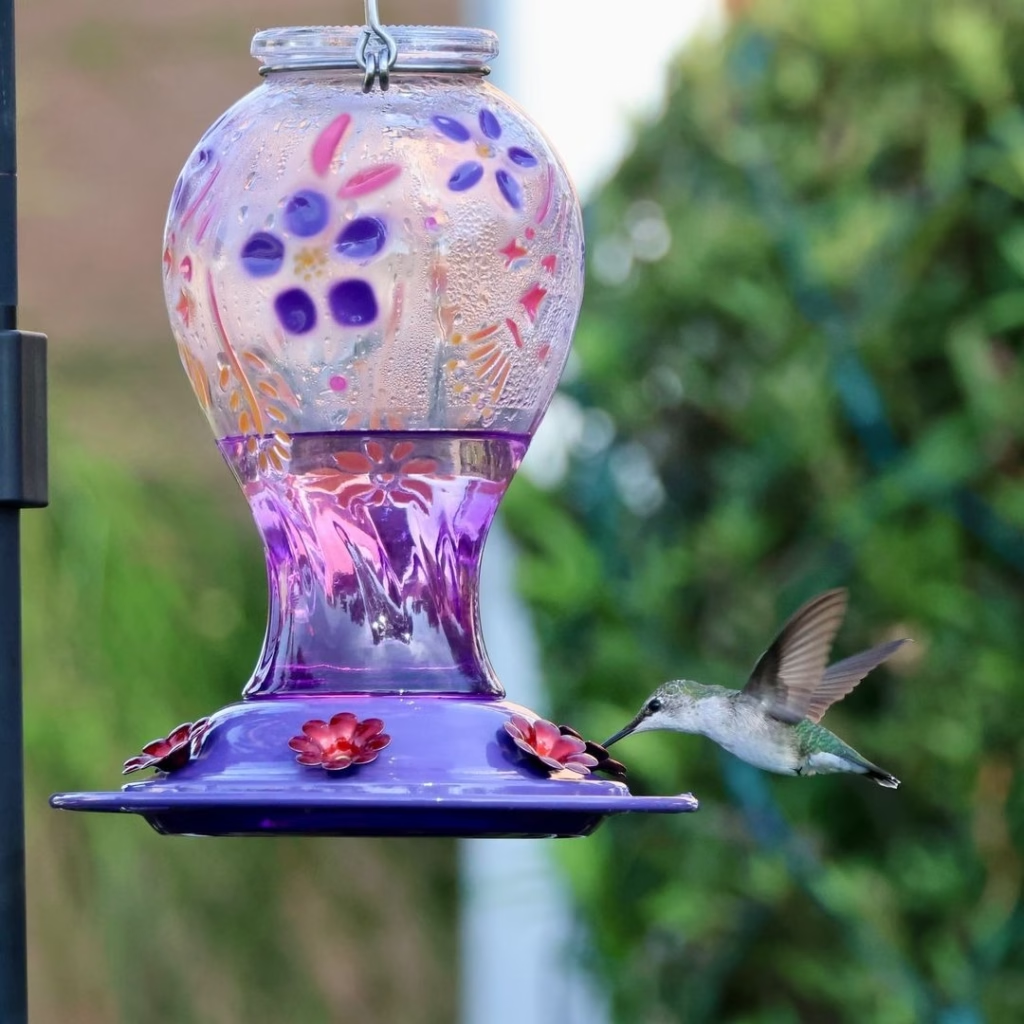
Among all garden visitors, few capture attention quite like hummingbirds. Their iridescent feathers and lightning-fast wings bring a touch of magic to even the smallest yard.
To attract them, choose nectar-rich plants such as bee balm, salvia, and trumpet vine, and pair them with hummingbird feeders from Kingsyard.
These feeders provide consistent food sources while maintaining a natural aesthetic. Their designs often incorporate glass or metal finishes that blend seamlessly into floral surroundings.
Place them near clusters of red or orange blooms to catch the birds’ attention and ensure that the feeders are easy to clean—fresh nectar is key to keeping hummingbirds returning.
Hummingbirds also appreciate variety. Multiple feeders placed at different heights and corners of the garden allow more birds to visit peacefully without competition.
When they arrive, you’ll notice how their motion enhances the garden’s sense of rhythm—each hover and dart adding another note to your outdoor melody.
Creating a Bird-Friendly Ecosystem
To truly bring balance to your outdoor space, think beyond the feeders themselves. Birds need a safe, supportive environment to thrive. Incorporate trees or shrubs that offer shelter and nesting spots, such as dogwoods, hollies, or evergreens.
A water source—whether a small fountain, birdbath, or even a shallow bowl—adds both function and ambiance. The sound of trickling water attracts birds and adds a peaceful undertone to your garden soundscape.
Avoid using chemical pesticides, which can harm both birds and the insects they depend on. Instead, encourage a natural balance by choosing companion plants that deter pests or by allowing beneficial insects like ladybugs to flourish.
Over time, these layers—food, water, shelter, and safety—create a self-sustaining mini-ecosystem where your garden supports life year-round.
Sustainability Meets Serenity
As modern gardeners, we’re increasingly aware of the need for sustainable practices that nurture both the land and its inhabitants.
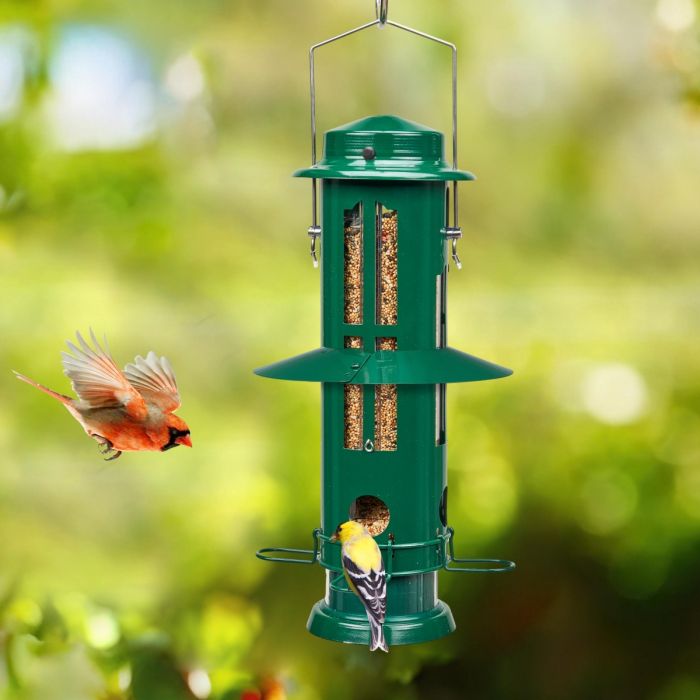
Bird feeders are a perfect example of a small gesture with large ecological benefits. They help birds survive harsh seasons, encourage pollination, and remind us of our role as stewards of nature.
But there’s another benefit: mindfulness. Watching birds feed, build nests, or bathe is an antidote to the rush of everyday life.
It slows us down, invites reflection, and reconnects us with rhythms older than our own.
In that sense, a well-designed garden isn’t just an aesthetic accomplishment—it’s a sanctuary.
The feeders, the flowers, and the birds themselves all play their part in creating harmony between humanity and the natural world.
Final Thoughts
Designing an outdoor space that feels truly alive requires more than plants and patio furniture—it calls for connection.
By introducing bird feeders, you transform your garden from a display into a dialogue between design and nature.
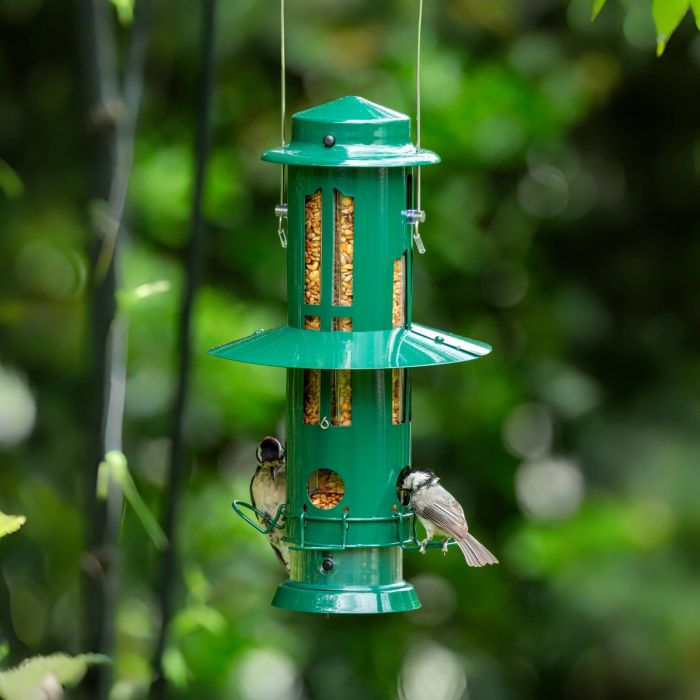
Whether it’s the gentle buzz of hummingbirds at dawn or the soft chatter of sparrows in the afternoon, these moments of motion give your garden depth, energy, and soul.
With thoughtful placement, sustainable practices, and beautiful designs from Kingsyard, your garden can become not just a place of beauty, but a living, breathing sanctuary—where every feathered visitor adds a touch of grace to your world.