
Last Updated on August 11, 2026 by Rosslyn Tebbutt
Here’s a startling fact: most people spend roughly 90% of their time indoors, yet rarely give a second thought to the air they’re breathing in their homes and offices.
Your indoor environment harbors a surprising cocktail of pollutants—everything from dust and allergens to volatile organic compounds and mold spores—that can significantly impact your health and daily well-being.
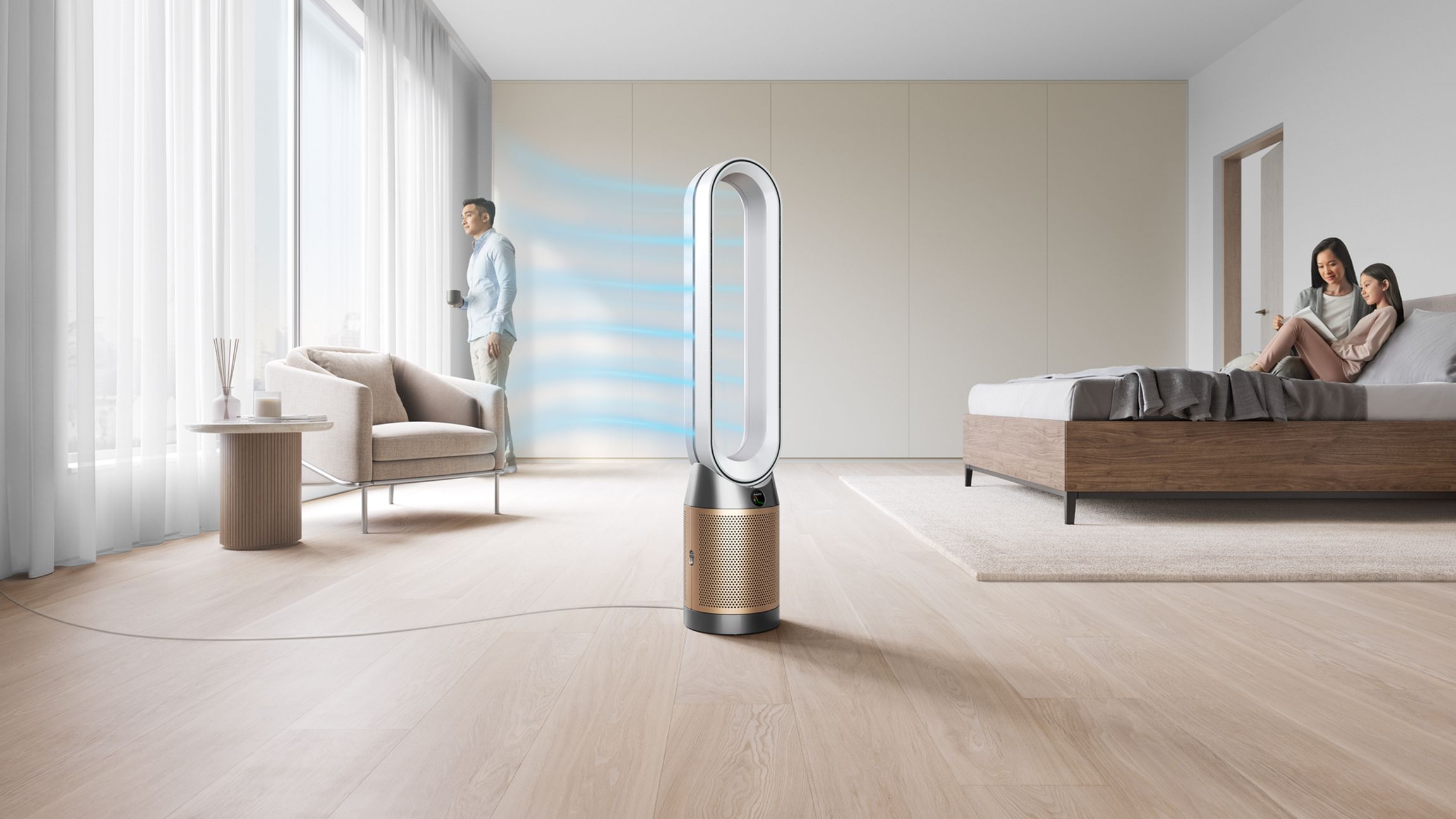
The encouraging news? You have plenty of options to tackle these issues, from simple lifestyle adjustments to advanced technological solutions like an air purifier, putting cleaner indoor air within reach for most households.
Understanding What Pollutes Your Indoor Air
Indoor air contamination stems from numerous sources that often fly under the radar. Particulate matter encompasses the usual suspects—dust, pet dander, pollen, and dead skin cells—that constantly drift through your living spaces.
Biological contaminants like mold spores, bacteria, and viruses love humid environments and can multiply at alarming rates when conditions are just right.
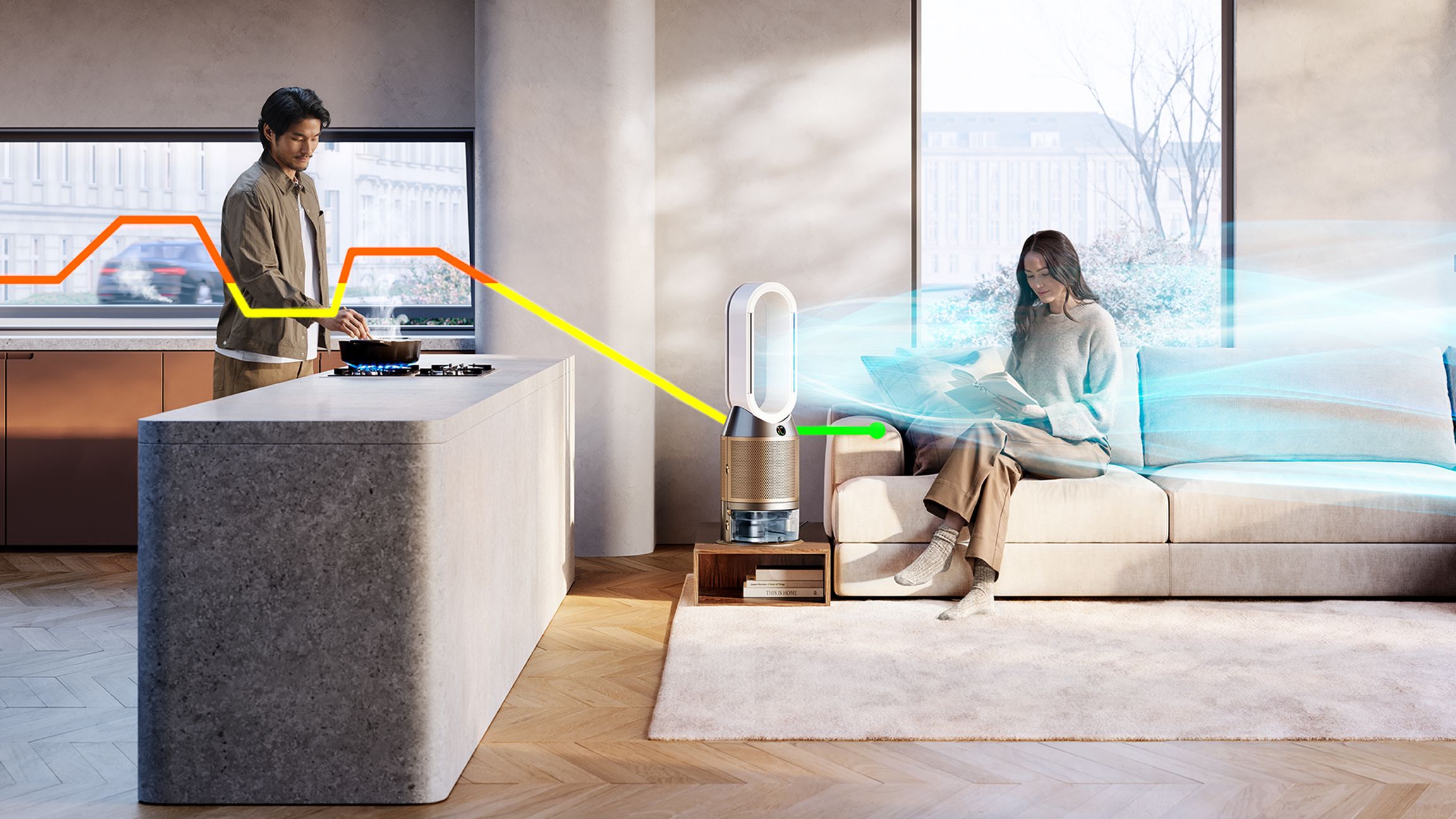
Chemical pollutants pose another serious threat. Volatile organic compounds (VOCs) waft from paints, cleaning supplies, new furniture, and carpeting, while combustion byproducts such as carbon monoxide and nitrogen dioxide can leak from gas appliances.
Then there’s radon—a naturally occurring radioactive gas that can infiltrate homes through foundation cracks, especially in certain geographic areas where it’s more prevalent.
The Health Connection You Can’t Ignore
Poor indoor air quality doesn’t just make you uncomfortable; it can genuinely harm your health in both immediate and lasting ways.
Short-term effects range from headaches and dizziness to fatigue and irritation of your eyes, nose, and throat. You might notice your asthma acting up or allergies flaring indoors without ever connecting the dots to air quality.
The long-term consequences are far more concerning. Breathing contaminated air day after day can contribute to respiratory disease, cardiovascular problems, and even cognitive decline over time.
Children, seniors, and anyone with existing respiratory conditions are particularly vulnerable to these effects.
What makes this especially troubling is how the damage accumulates—each day of poor air quality adds to your overall health risk.
Assessing Your Home’s Air Quality
Before you can fix the problem, you need to understand what you’re dealing with.
Visual and olfactory clues often tell the story—think excessive dust buildup, musty smells, or visible mold patches that signal trouble brewing.
Your body provides valuable feedback too: if your allergies seem worse at home or your breathing improves the moment you step outside, your indoor air quality deserves serious attention.
For a more scientific approach, consider professional testing or investing in air quality monitors that track particulate matter, humidity levels, and specific pollutants.
Keep in mind that seasonal changes also play a role—heating systems create different challenges in winter, while spring brings increased pollen infiltration that can overwhelm your indoor environment.

Natural Solutions You Can Implement Today
The best part about improving air quality? Many effective strategies cost absolutely nothing.
Proper ventilation serves as your first line of defense—crack open windows when weather allows, run exhaust fans while cooking and showering, and create cross-ventilation patterns that keep air moving throughout your home.
Source control offers another powerful weapon in your arsenal. Opt for low-VOC products whenever possible, store household chemicals safely away from living areas, and tackle moisture problems before they become mold factories.
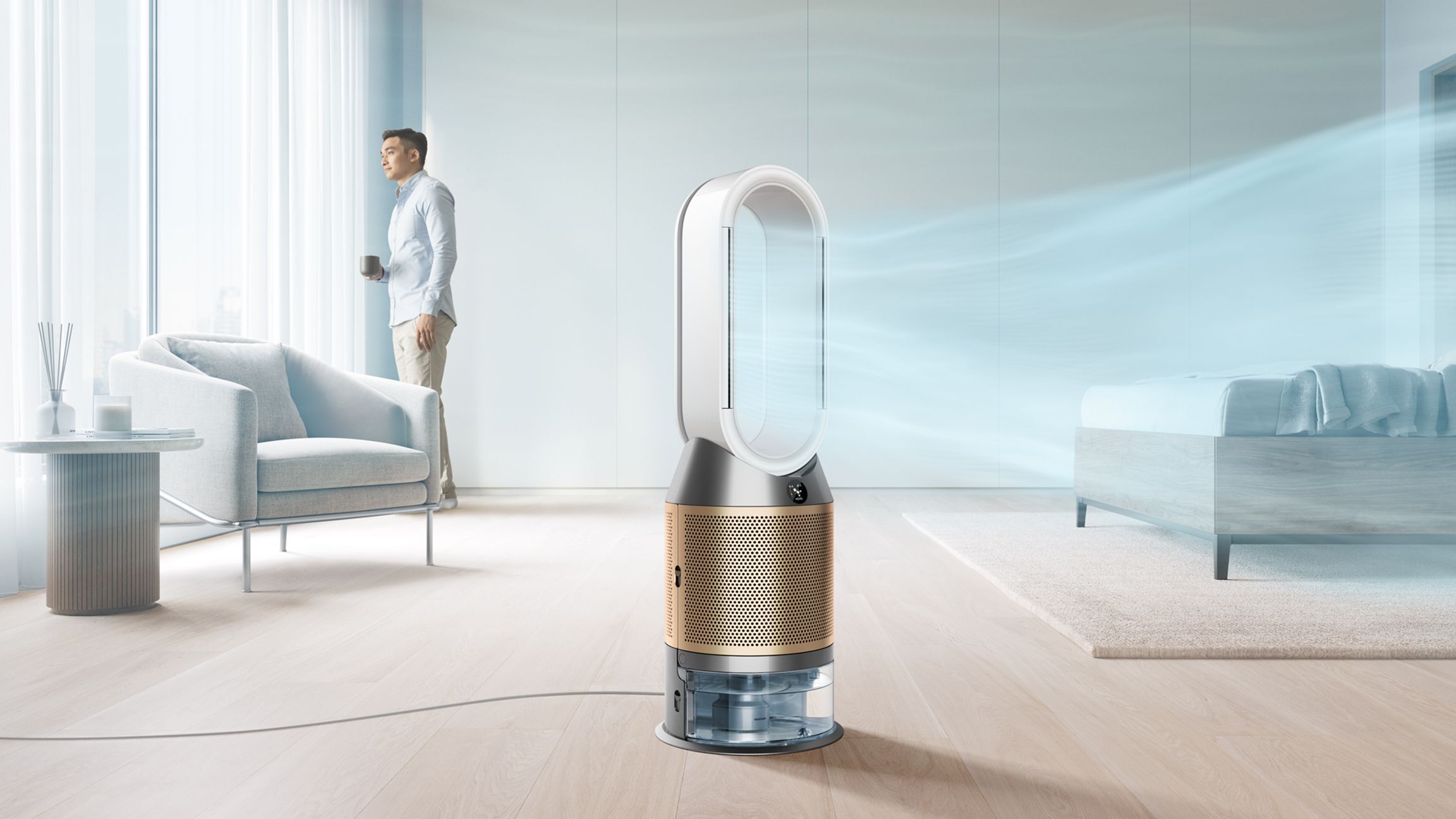
Keep humidity levels hovering between 30-50%—sweet spot territory that discourages dust mites and mold while preventing the dry air that can irritate your respiratory system.
Regular cleaning makes a real difference, too. Use HEPA-filtered vacuums, wash bedding frequently in hot water, and consider establishing shoe-free zones to cut down on tracked-in pollutants.
While houseplants certainly beautify your space, don’t count on them as air purification powerhouses—their impact is minimal compared to other strategies.

Technological Solutions and Their Role
Mechanical solutions can work hand-in-hand with natural approaches to create cleaner air.
HVAC system optimization through high-quality filter upgrades and regular maintenance can transform your entire home’s air quality.
Different filtration technologies—HEPA filters, activated carbon systems, and UV treatment—each tackle specific types of pollutants with varying levels of success.
Humidity control devices help you maintain that optimal moisture balance, while carbon monoxide and radon detectors serve as essential safety nets.
When weighing technological options, think about which pollutants you’re actually fighting, what kind of ongoing maintenance you’re willing to handle, and how much energy consumption fits your budget.

Creating Your Action Plan
Improving indoor air quality works best with a layered strategy that combines multiple approaches rather than putting all your eggs in one basket.
Begin with the no-cost behavioral changes and ventilation improvements, then evaluate whether you need additional measures based on your specific situation and health concerns.
Keep in mind that maintaining better air quality isn’t a one-and-done project—it requires consistent habits and regular upkeep.
When you take a comprehensive approach to indoor air quality, you’re making an investment in both your long-term health and everyday comfort.
The payoff extends far beyond simply breathing easier; it’s about creating a healthier environment where you and your family can truly thrive.