Last Updated on August 11, 2026 by Rosslyn Tebbutt
Selling a home is never just about walls, floors, and square footage. It’s about the feeling a property creates the moment someone steps through the door. Buyers are influenced not only by the practical details of a home but also by the atmosphere, and this is where moodboard ideas can help bring that vision to life, making it easier for them to picture themselves living comfortably in the space.
This is why professional staging is such a powerful tool in real estate, and why moodboards have become an essential starting point for anyone preparing their home for sale.
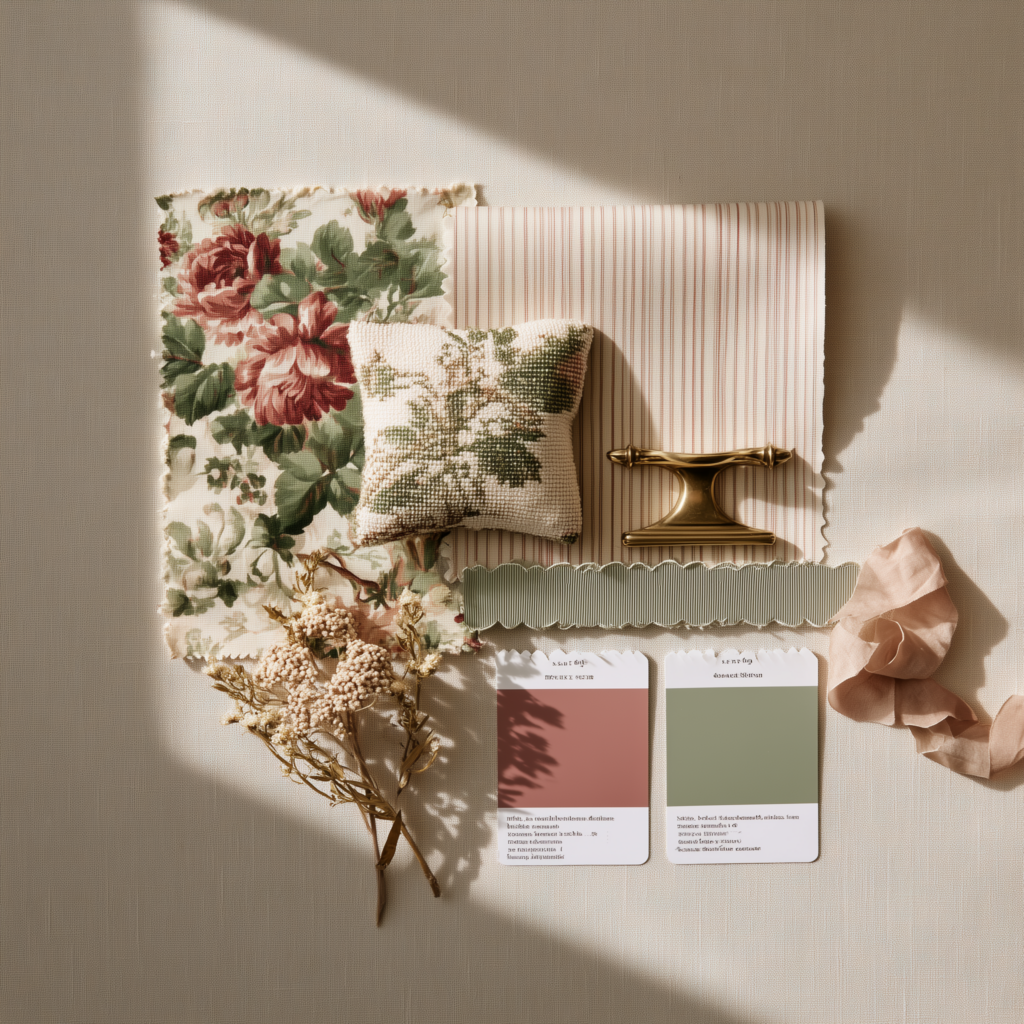
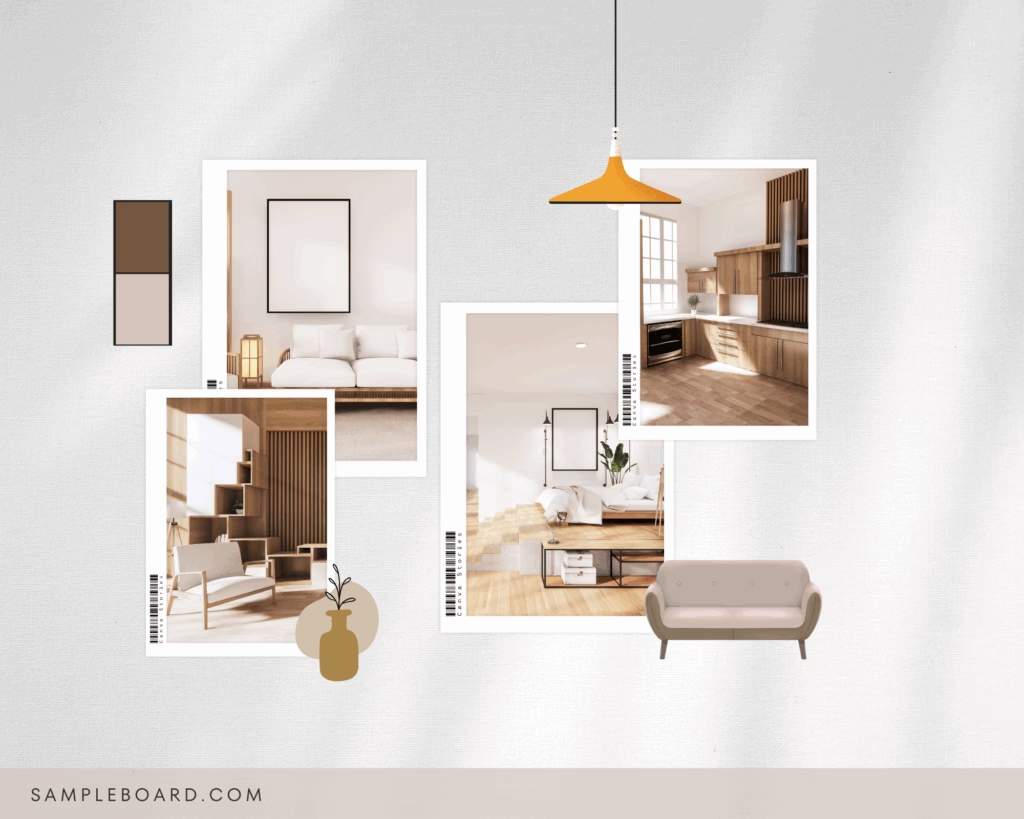
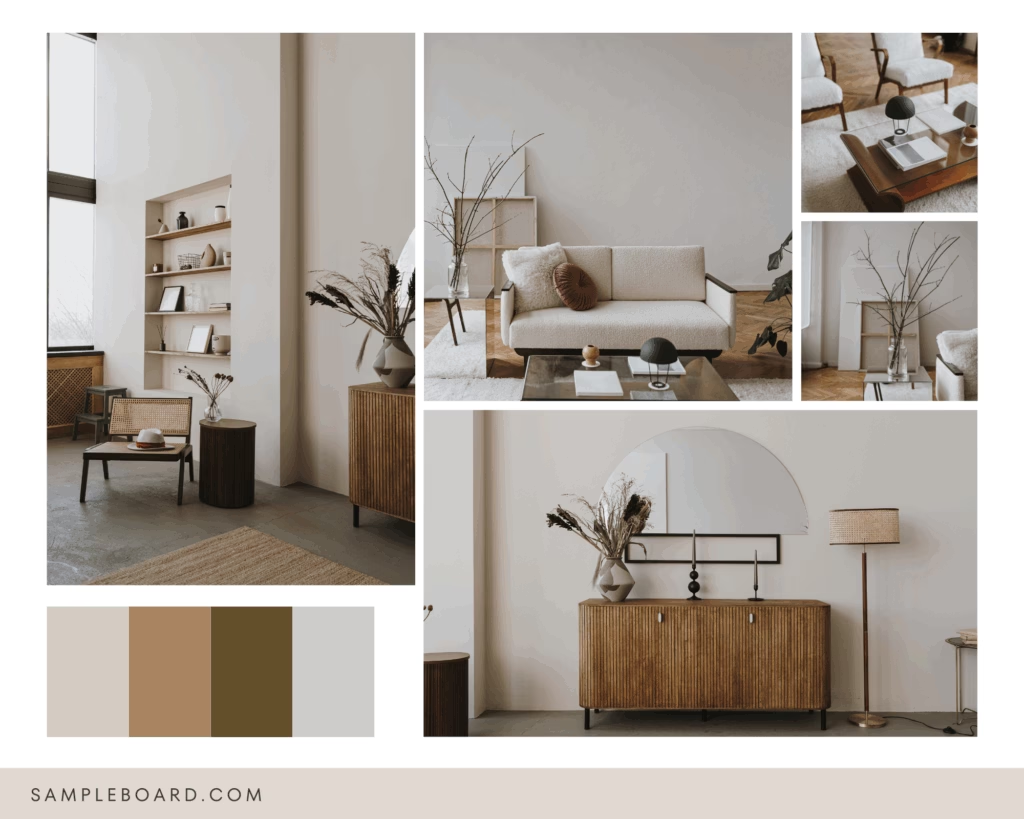
A moodboard acts as a visual guide for the atmosphere you want each room to convey. It brings together colors, textures, lighting, and furnishings into one cohesive vision.
By using moodboards to plan before you style or stage, you save time, reduce guesswork, and ensure that every room communicates the right impression.
For sellers, this isn’t just about aesthetics; it’s about creating a persuasive story that helps buyers connect emotionally with the property.

Why Moodboards Work in Home Staging
Moodboards work because humans are visual decision-makers. Buyers walking into a house don’t evaluate it like an architect; they respond emotionally to what they see and feel.
Moodboards allow sellers to clarify that emotional direction before staging begins. Instead of throwing random décor together, you curate a consistent style that speaks to the type of buyer you want to attract.
For instance, if your goal is to create a calm and family-friendly home, a moodboard might feature soft neutrals, cozy textures, and inviting lighting.
If you’re targeting younger, modern buyers, a moodboard may emphasize clean lines, bolder colors, and minimalist furniture.
The process helps you identify a theme for each room and keeps you from mixing styles that confuse or overwhelm buyers.
The Entryway: First Impressions in Focus
The entryway sets the tone for everything that follows. A moodboard for this space should emphasize warmth and welcome.
Soft, neutral wall colors, a well-lit console table, and a statement mirror are classic elements that establish trust right away.
Buyers walking into a home that feels intentional at the very first step are more likely to carry that positive impression through the rest of the showing.
Textures such as woven baskets for storage or a small rug near the door can add depth and function.
Your moodboard might include images of tidy, clutter-free spaces with pops of greenery, highlighting how simple design can create a memorable impact.

Living Room: Comfort Meets Connection
The living room often acts as the emotional center of a home. Moodboards for this area should reflect a sense of gathering and relaxation.
Consider warm neutrals as the foundation, complemented by accent colors that reflect natural elements, soft blues, leafy greens, or subtle earth tones.
Furniture arrangements on your moodboard should promote flow and conversation. Avoid overcrowding and instead aim for balanced seating with clean lines.
Adding visual elements like layered lighting and textured fabrics gives depth and variety without overwhelming the room.
The goal is to help buyers envision their own gatherings, movie nights, or quiet mornings in a space that feels both stylish and comfortable.

Kitchen: Bright, Clean, and Functional
In most homes, the kitchen is the deal-maker. Moodboards for this room should emphasize brightness, cleanliness, and functionality.
White or light-toned cabinets, polished countertops, and sleek hardware all contribute to a fresh look that appeals to a wide range of buyer demographics.
Adding hints of warmth, such as natural wood tones, potted herbs, or brass accents, can soften the modern feel.
Your moodboard might also feature images of minimalist countertops free from clutter, since buyers are drawn to spaces that feel ready to use without extra work.
Think of the kitchen moodboard as a recipe for balance: practical function paired with subtle charm.
Dining Room: A Place to Imagine Gatherings
The dining room should feel like an invitation. A moodboard here might emphasize lighting like pendant fixtures or chandeliers that create ambiance, as well as neutral tones that allow the table setting to shine.
Imagery of neatly set tables, cozy linens, and warm light can help inspire how the room should be staged.
It’s important that the dining area doesn’t feel overly formal unless your target buyer is specifically looking for that.
Many modern buyers prefer dining rooms that are versatile, stylish enough for entertaining but comfortable enough for daily meals.
A moodboard helps balance those two needs, guiding you toward décor choices that feel timeless.
Bedrooms: Personal Retreats
Buyers pay close attention to bedrooms because these spaces represent rest and comfort. Moodboards for bedrooms should focus on creating retreats that feel restful yet stylish.
Soft color palettes, whites, grays, and light blues work well as foundations. Layers of texture, such as upholstered headboards, throw blankets, and pillows, add warmth without overwhelming the space.
For staging purposes, your moodboard should suggest a balance between personal and impersonal.
Buyers want to imagine themselves in the space, not feel like they’re intruding on someone else’s life. That means emphasizing calm, uncluttered settings rather than overly decorated rooms.

Bathrooms: Clean, Spa-Like Appeal
Bathrooms may be smaller, but they leave a lasting impression. A moodboard for this space should emphasize cleanliness, simplicity, and spa-like touches.
Light, reflective surfaces like marble or quartz, glass shower enclosures, and simple fixtures often dominate modern bathroom boards.
Adding greenery, fresh towels, or candles in the imagery reminds you to incorporate small details that create atmosphere.
These subtle cues help buyers feel like the bathroom is a place of relaxation rather than simply a utility.
Using Moodboards to Target Buyers
The real strength of moodboards lies in tailoring them to your audience.
If your home is in a family-oriented neighborhood, you might design boards with cozy, functional elements that appeal to parents.
In urban markets, boards with sleek lines, minimalist palettes, and smart technology cues may resonate more.
When selling, it’s not just about showing your taste; it’s about presenting a vision of the lifestyle buyers want. Moodboards allow you to anticipate those desires and stage accordingly.
And if you’re considering alternatives to traditional selling, working with professional buyers such as Seminole Florida home buyers can also simplify the process.
They understand the importance of presentation but also offer solutions for homeowners who may not want to invest heavily in staging before moving.
Moodboards still provide value in these cases by helping you prioritize small touches that maximize your home’s potential.
Practical Tips for Creating Moodboards
The process of making moodboards is easier than ever. Digital tools like Pinterest or Canva allow you to collect inspiration quickly, while physical boards with magazine clippings and fabric swatches give a tactile experience.
Whichever method you choose, focus on cohesion. Each room’s board should feel distinct but connected, forming a whole-house vision that flows from one space to another.
Remember that less is often more. Avoid overcrowding moodboards with too many competing ideas. Instead, select a few strong visuals that guide your design decisions.
Over time, you’ll see patterns emerge, perhaps a recurring color palette or a consistent use of texture that helps unify the home’s atmosphere.
The Emotional Impact of Moodboards
At the heart of moodboarding is emotion. Buyers don’t just evaluate a house logically; they connect emotionally with it.
A warm, well-staged home encourages them to linger during showings and picture their own lives unfolding in the space. Moodboards give you a blueprint for creating those emotional cues.
They also help you stay grounded during the stress of preparing a home for sale. Instead of second-guessing design choices, you can return to your moodboard and remind yourself of the atmosphere you set out to create.
This consistency not only reassures you but also ensures that buyers experience a cohesive vision throughout the property.
Conclusion: Moodboard Ideas
Creating the perfect atmosphere before selling is about more than just cleaning or repainting; it’s about telling a story.
Moodboards provide the roadmap for crafting that story, ensuring that every room communicates the right message.
From the welcoming entryway to the serene bedroom, each space becomes part of a larger narrative designed to connect with buyers.
For homeowners preparing to sell, moodboards are both practical tools and creative outlets. They bring clarity, save time, and elevate staging efforts to a professional level.
And when paired with thoughtful execution, they help transform a property from just another listing into a memorable, desirable home.
Ultimately, selling a house isn’t just about transferring ownership; it’s about passing on a vision of possibility.
Moodboards help you shape that vision, giving buyers a reason not just to see the house but to feel at home in it.