
Last Updated on August 11, 2026 by Rosslyn Tebbutt
Plumbing layout may not be the most glamorous element in design, but it has a profound influence on how interior spaces function and feel. Whether in a new build or a renovation, the routing of pipes and placement of fixtures set physical limits that designers must work within.
These decisions shape how efficiently a home operates, how rooms connect, how walls are structured, and where you can achieve visual balance.
- From Infrastructure to Aesthetics: Why Plumbing Should Shape Design Early
- Plumbing Determines the Functional Boundaries of a Space
- Infrastructure Decisions Influence Aesthetic Balance
- Upfront Collaboration Prevents Costly Mid-Project Revisions
- Joint Planning Enables More Purposeful Fixture Placement
- Plumbing Layout Affects Long-Term Maintenance Access
- Smart Fixtures Require Early Plumbing Coordination
- Plumbing Placement Influences Interior Sound Control
- Thoughtful Plumbing Enhances Perceived Property Value
- Conclusion
This article discusses the influence of the plumbing layout. It shows that plumbing decisions—often made early in a project—affect far more than just function.

From Infrastructure to Aesthetics: Why Plumbing Should Shape Design Early
Designing with function in mind means recognizing that beauty alone doesn’t make a space work—its underlying systems have to support how people use it every day.
Plumbing, though often invisible, plays one of the most critical roles in that support system.
When you bring in a full-service plumbing company at the planning stage, they help ensure that plumbing requirements and design intent evolve together.
Here are the key reasons plumbing should shape design from the start.
Plumbing Determines the Functional Boundaries of a Space
Water lines, drainage routes, and venting requirements have specific technical needs, such as minimum slopes and proximity to main stacks. These constraints directly influence fixtures and how rooms connect.
Hence, plumbing is often the first factor to shape the structure of a space.
For instance, locating wet areas near existing plumbing lines reduces complexity, improves performance, and eliminates costly rerouting.
It also helps group functional zones more efficiently, especially in multi-level homes or tight floor plans.
When you consider plumbing early in the process, the resulting layout feels intentional. It leads to a more cohesive flow throughout the home, where function supports form rather than disrupting it.
Infrastructure Decisions Influence Aesthetic Balance
Design works best when every element feels intentional, but plumbing infrastructure often introduces hidden adjustments that affect how a space comes together.
Pipes may need to pass through walls, floors, or ceilings, which may require structural changes to accommodate them.
For example, a thickened wall built to conceal a waste pipe might change the alignment of cabinetry or interrupt a visual line that would otherwise feel clean and balanced.
These adjustments matter because they influence proportions, sightlines, and the overall rhythm of a space.
If designers account for them early, they can work these changes into the plan in a way that supports the aesthetic. When ignored, they often show up later as awkward compromises.
Upfront Collaboration Prevents Costly Mid-Project Revisions
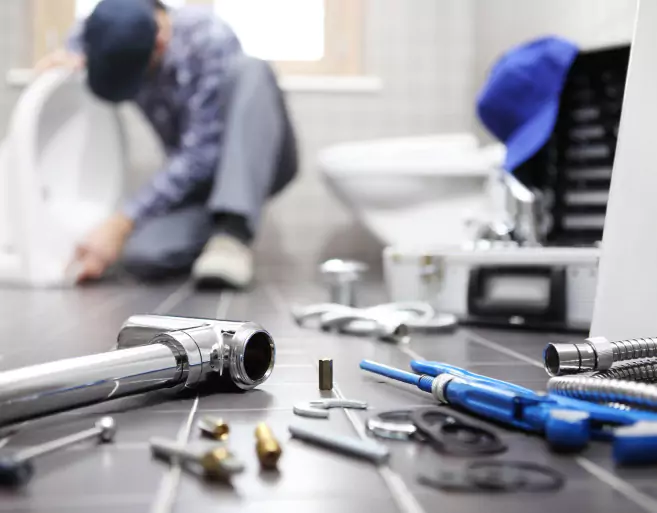
When plumbing and design teams work in isolation, problems surface once the construction begins. For instance, if you fail to confirm drain locations early, your planned double vanity may not fit.
In the kitchen, you might have to redesign the island if you cannot connect the sink without cutting into the floor.
These kinds of revisions are inconvenient. They often compromise the original vision. For instance, materials may go to waste, fixture options may become limited, and the overall cohesion of the design can suffer.
By involving plumbers early in the planning process, designers can avoid these setbacks altogether. Instead of discovering conflicts during installation, they can make informed choices from the beginning.
Joint Planning Enables More Purposeful Fixture Placement
When plumbers and designers plan together from the start, they can place fixtures with both function and visual alignment in mind.
Instead of working around existing pipe locations, designers gain the flexibility to position sinks, toilets, and tubs exactly where they enhance the layout.
Such coordination allows each fixture to contribute to the overall flow of the room rather than disrupt it.
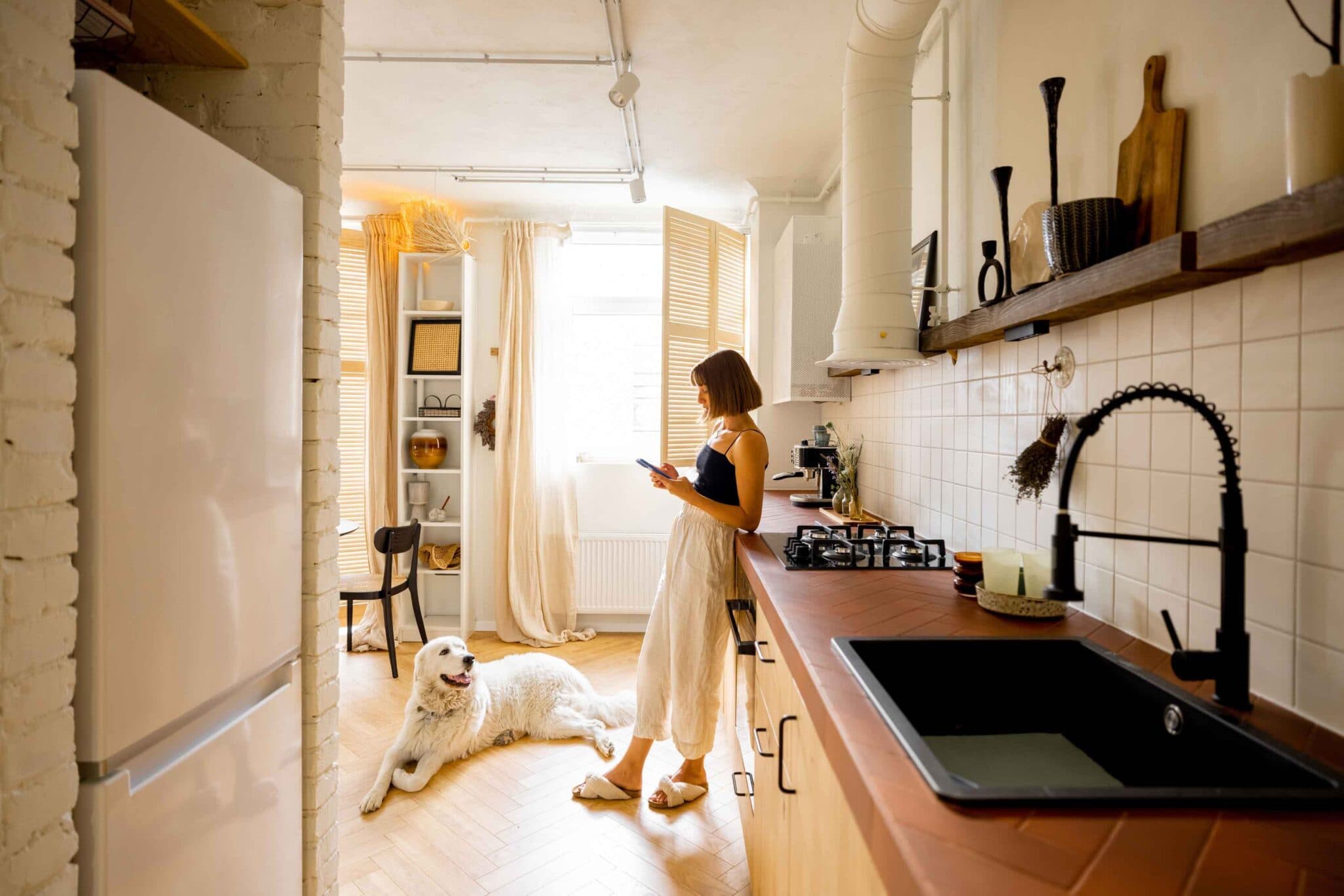
For example, a kitchen sink centered under a window appears intentional, not accidental, when plumbing supports that placement from the beginning.
Planning together avoids compromise and leads to a layout that works as well as it looks.
Plumbing Layout Affects Long-Term Maintenance Access
Plumbing systems rely on valves, traps, and junctions that occasionally need inspection, repair, or replacement.
If these components sit behind permanent walls or under built-ins with no access, routine maintenance becomes difficult and expensive.
A poorly planned layout might route key connections through tight spaces, forcing technicians to cut through finishes or dismantle fixtures to reach them.
Even minor issues, such as a leaking pipe or clogged line, can escalate if the layout makes it difficult to intervene quickly.
Good plumbing design considers service paths, clearances, and reachable points from the start.
Smart Fixtures Require Early Plumbing Coordination
Smart plumbing features depend on precise technical requirements that standard layouts often overlook. For example, digital showers need access to control units.
You must install these near the fixture and hide them from view. Further, motion-sensor faucets require both power sources and specific valve placements.
If the plumbing layout fails to account for these details in advance, installers may struggle to fit components into tight or inaccessible spaces.
Improvised adjustments can lead to exposed wiring, bulky enclosures, or inconsistent performance.
Plumbing Placement Influences Interior Sound Control
The sound of flushing, draining, or rushing water becomes disruptive when supply or drainage lines run through walls next to bedrooms, offices, or living areas.
Hard pipe materials and tight wall cavities can worsen the problem by carrying vibration. Proper spacing, pipe isolation, and thoughtful routing reduce unwanted noise without changing the design.
Thoughtful Plumbing Enhances Perceived Property Value
Buyers often judge the quality of a home by how well it functions.
When water pressure remains steady, fixtures sit in logical places, and rooms feel properly connected, the home leaves a stronger impression.
These details reflect careful planning, even if the plumbing stays out of sight.
A thoughtful layout avoids obvious compromises, like toilets placed in awkward corners or sinks installed far from natural light.
It also supports features prospective buyers care about, such as double vanities, separate showers, or laundry rooms that feel like part of the home rather than an afterthought.

Conclusion
Plumbing shapes more than just the way a home functions. It influences how rooms connect, how layouts evolve, and how designs hold together.
As such, designers and plumbers create spaces that function efficiently and reflect a cohesive design vision when they work together.
Every decision, from fixture placement to wall construction, benefits from this alignment.