
Last Updated on August 11, 2026 by Rosslyn Tebbutt
When the sun dips behind the skyline, Japan takes on another life. Salarymen loosen their ties, students spill out of cram schools, and the glow of red lanterns begins to flicker on in narrow backstreets.
This is the Japan of yokocho—tight-knit alleyways packed with tiny eateries, sizzling grills, and the hum of conversation that carries well into the night.
Food streets are where the country’s culinary culture is at its most approachable, welcoming, and deliciously unpolished.

The Allure of the Yokocho
Yokocho, literally “side alleys,” are a staple of Japan’s urban character. They can be chaotic, smoky, and intimate, often lined with eateries that fit barely a dozen people at a time.
What makes them special is the sense of discovery. Step into one of these lantern-lit corridors, and you’re suddenly transported into a world that feels both nostalgic and alive.
Golden Gai in Shinjuku is perhaps the most famous, with its cluster of postage-stamp-sized bars, each with its own theme and personality.
While some are exclusive to regulars, others welcome visitors with open arms. In Osaka, Hozenji Yokocho captures a quieter charm, cobblestoned and tucked behind a moss-covered temple, where izakaya serve skewers and sake until late.

Food as Connection
The food itself is part of the draw, of course—grilled yakitori skewers, bubbling hotpots, bowls of ramen perfect for soaking up the night’s drinks.
But beyond flavor, these streets are about connection. Sitting shoulder to shoulder with strangers, watching chefs flip okonomiyaki on sizzling griddles, or hearing the laughter spill out into the alley—it’s a communal experience.
What sets Japan’s food streets apart is how effortlessly they blur the line between locals and travelers.
Tourists often find themselves in conversations with people they might never meet otherwise, bonded over plates of gyoza or shared recommendations from the handwritten menus on the wall.
Regional Flavors on Display
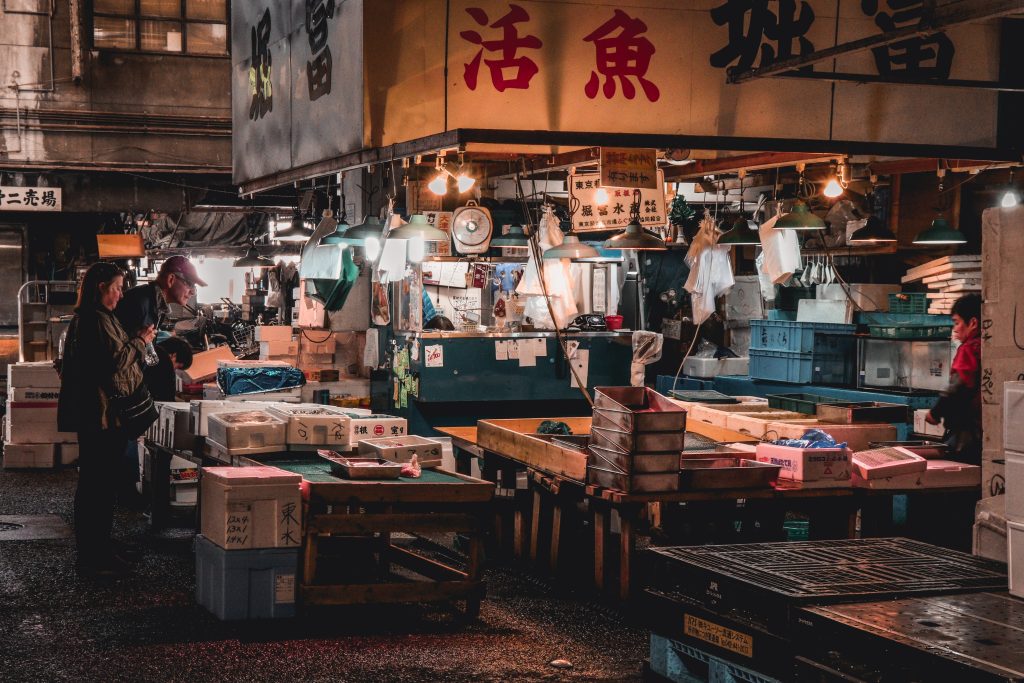
Each city in Japan has its own signature food street, showcasing the flavors it’s most proud of. In Fukuoka, Nakasu Yatai is legendary for its riverside food stalls, where steaming bowls of tonkotsu ramen are ladled out until the early hours.
In Sapporo, Susukino becomes a neon-lit playground for seafood lovers, with fresh crab and buttery Hokkaido scallops grilled right in front of you.
Kyoto takes a more refined approach, with Pontocho Alley offering elegant kaiseki-inspired dishes in teahouses that overlook the Kamogawa River.
Even smaller towns boast their own hidden gems—streets where regional specialties become the main attraction.

A Living Part of the City
Unlike polished restaurants, food streets carry an authenticity that makes them feel timeless. They aren’t simply places to eat; they’re part of the city’s rhythm.
Lanterns swaying in the breeze, smoke rising from charcoal grills, and the murmur of conversation—these details combine into something you won’t find on a guided tour.
For many travelers, stumbling across a lively yokocho becomes one of the most memorable experiences of their trip.
It’s a reminder that sometimes the most unforgettable things to see in Japan aren’t temples or skyscrapers, but the moments of everyday life unfolding in the backstreets.
Navigating the Experience
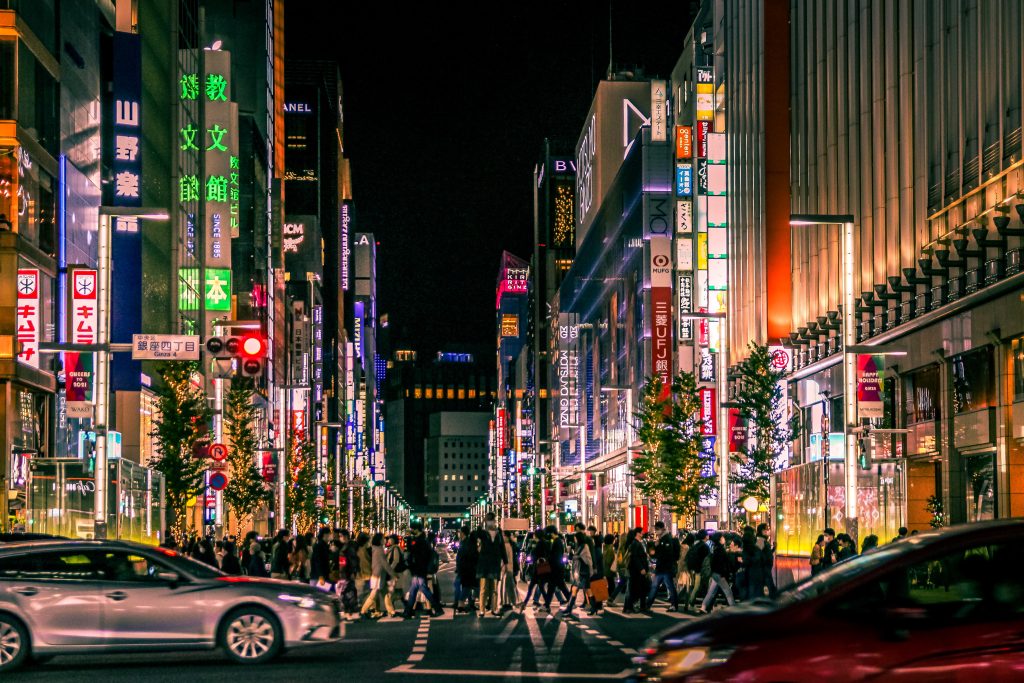
Venturing into Japan’s food streets doesn’t require a plan, but a little preparation makes it even more enjoyable.
Many of the eateries are small, so patience is key—waiting outside with a drink in hand is part of the ritual. Cash is still preferred in many spots, and menus may not always be in English, but pointing, smiling, and a sense of curiosity usually go a long way.
It’s worth embracing the idea of hopping from place to place. One stall for yakitori, another for ramen, then a stop for sake or highballs.
This grazing style of dining turns the evening into a moving feast, allowing you to taste the breadth of what a single alley has to offer.
Where Night Becomes Memory
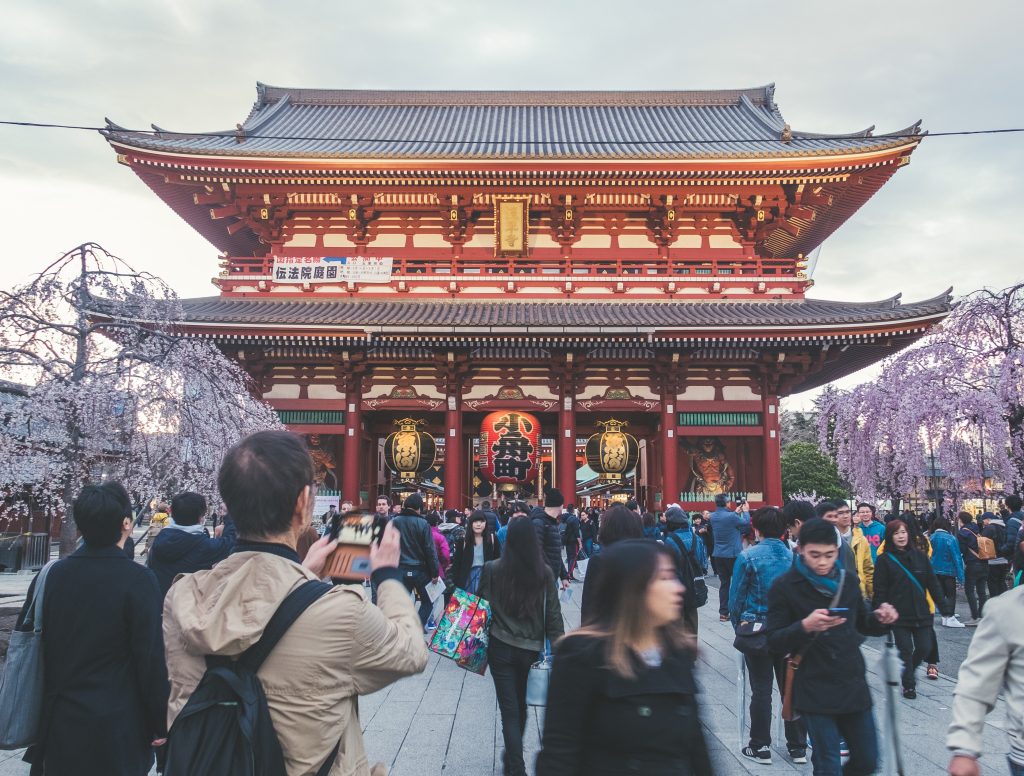
Japan’s food streets thrive because they capture something fleeting yet deeply satisfying.
The clatter of chopsticks, the warmth of a shared toast, the way lantern light spills onto wet pavement—it all lingers long after the last train has gone.
For travelers, these alleys aren’t just about eating. They’re about participating in a slice of Japanese life that’s both grounded in tradition and alive with spontaneity.
Late-night bites and lantern-lit streets remind us that food isn’t just fuel—it’s memory, connection, and culture, all wrapped into one.