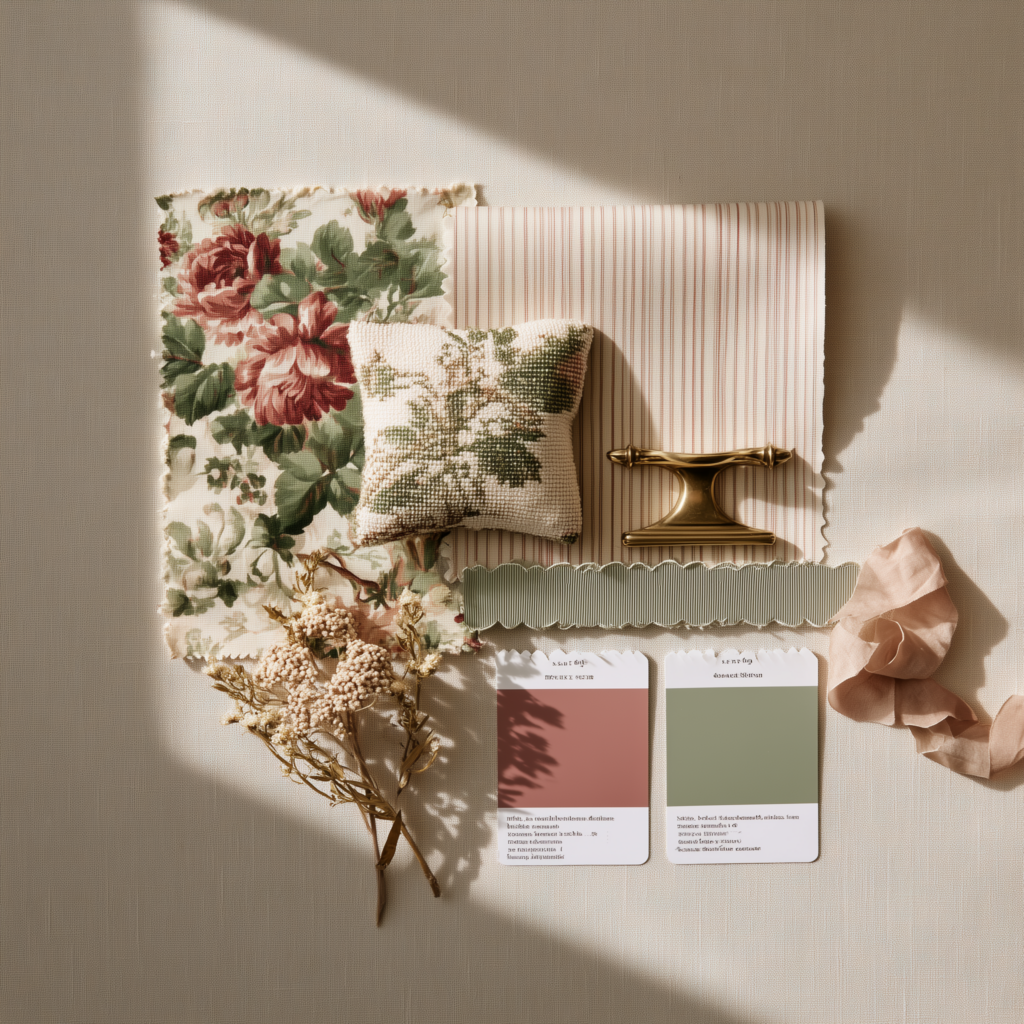
Last Updated on June 12, 2026 by Rosslyn Tebbutt
Step into a time machine and journey back to the glamorous era of 1940s interior design.
Table of Contents
A time when elegance and sophistication were at their peak, and interior design was an art form that exuded charm and allure.
Today, we invite you to dive headfirst into the world of vintage glamour as we explore how you can recreate the captivating essence of 1940s interior design in your home.
Get ready to transport yourself to a bygone era filled with rich colors, luxurious textures, and timeless pieces that will bring an air of nostalgia while adding a touch of modern flair.
Introduction to 1940s in Interior Design
The 1940s were a decade of significant change, marked by the Second World War and its aftermath.
This era also saw a shift in interior design trends as people sought to create comfortable and practical spaces amidst the chaos of war.
The resulting style is known today as 1940s-inspired interior design, characterized by a combination of glamour, functionality, and nostalgia.
One key influence on 1940s interior design was the Art Deco movement, which emerged in the 1920s and continued to be popular during this period.
Art Deco Interior Design Style Guide emphasized bold geometric shapes, lavish materials such as marble and brass, and an overall sense of luxury.
However, due to rationing during the war, these opulent elements were often scaled back or replaced with more affordable materials.

Influence on 1940s Inspired Interior Design
Another significant influence on 1940s interior design was Hollywood glamour.
This cinematic influence evolved into what we now recognise as Hollywood Glam interiors , where luxury, contrast, and dramatic detailing define the space.
With the rise of cinema and movie stars becoming household names, many people looked to recreate the luxurious lifestyles depicted on screen in their homes.
This led to increased plush furnishings such as velvet sofas, upholstered chairs, and rich colors like deep reds and purples.
At the same time, there was an emphasis on functionality and efficiency in home design during this era.
With women taking on new roles in society while men were away at war, homes needed practical features that could accommodate their changing needs.

1940s Interior Design History
During the 1930s, Europe led the world of interior design. However, in the post-war period of the 1940s, the USA began to lead, and Europe followed.
Charles and Ray Eames ‘La Chaise’ chair, Isamu Noguchi’s glass-top coffee table (designed in 1939 but produced in the 1940s by Herman Millar), George Nelson’s slat bench chair, and Eero Saarinen’s Womb chair (for Knoll) have all become icons of this time.
For the first time, flat-pack furniture was produced. Practicality and economic efficiency were the most important considerations in design after the war.
Interestingly, many people in the 1940s could not afford the new designs, and the traditional styles of the past remained popular, as did kitsch-like items such as flying ducks.
But maybe it was a sign of the times, and people needed funny, quirky items to make them smile during this recovery period.
This period also laid the foundation for what would become Mid-Century Modern interior design , where functionality and form began to shape modern living.
Key Elements of 1940s Design Style: Colors, Patterns, and Materials
The 1940s was a decade known for its elegant and glamorous interior design style.
Amid World War II, people turned to their homes as a source of comfort, resulting in a rise in the popularity of luxurious and opulent interiors.
The key elements of 1940s home interior design were bold colors, intricate patterns, and high-quality materials.
Colors were crucial in creating the distinct look of 1940s interior design. Deep jewel tones such as emerald green, sapphire blue, and ruby red were popular for walls and furnishings.
These rich colors added warmth and sophistication to rooms, creating a sense of luxury. Lighter shades like pale pink and mint green were commonly used for a softer touch.
What Colors were Popular in the 1940’s?
The 1940s started with earthy, utilitarian tones and ended with lively pastels and vibrant accents that set the stage for the colorful 1950s.
The 1940s color palette was shaped by wartime austerity and then by post-war optimism—so it has two distinct moods:
Wartime Years (Early 1940s)
During World War II, resources were limited, and colors reflected practicality and restraint:
- Muted neutrals: khaki, olive drab, navy blue, gray, and brown (military influence).
- Deep, somber shades: burgundy, maroon, forest green, and dark plum.
- Utility hues: beige, tan, and black—popular in both fashion and interiors.

Post-War & Late 1940s
After 1945, there was a burst of cheerful, optimistic colors, reflecting renewal and prosperity:
- Pastels: powder blue, mint green, butter yellow, blush pink, and peach (especially in kitchens, bathrooms, and women’s fashion).
- Bright accents: cherry red, aqua, teal, coral, and turquoise.
- Classic combos, such as navy and white, red and white, and black and white, remained staples.
Design & Fashion Influence
- Hollywood Glamour also introduced jewel tones like sapphire blue and emerald green.
- Interior design leaned toward cozy, homely palettes: soft pastels with bolder accents in upholstery, linoleum, and wallpaper.
- Makeup & fashion favored red lipstick, navy dresses, and pastel blouses once rationing ended.

In addition to these deep hues, pastel colors also appeared in 1940s-style homes.
Soft shades of lavender, peach, and baby blue were often paired with bolder colors to create a balanced color scheme.
These lighter shades brought a feminine touch to the otherwise masculine aesthetic of the era.
Patterns
Patterns were essential in adding texture and visual interest to 1940s interiors.
Geometric patterns such as chevron, herringbone, and Art Deco-inspired designs were commonly seen on wallpaper or upholstery fabrics.
Florals were also popular but more structured and stylized than in previous decades.
Window Treatment
The window’s lace, sheer muslin, organza, and voile curtains were still in vogue.
Stylized plant forms and abstract patterns, stripes, dots, figurative patterns, and plain fabrics made of triple-pinch pleated curtains were also used.
Wallpaper
The use of floral wallpapers was discouraged in modernist interiors.
Trendy wallpapers of fine art, pictorial patterns, and screen print murals of the great artists Miro, Raphael, and Mattisse were created by wallpaper manufacturers.
Ivy leaf trellis overall patterns were also prevalent in the 1940s.

1940s Furniture and Decor: Must-Haves for a Vintage Glamour Look
The right furniture and decor are essential for creating a vintage glamour look.
This style is all about incorporating pieces from the past with a touch of luxury and elegance, evoking the charm and opulence of the 1920s to 1950s.
Here are some must-haves for achieving that classic vintage glamour aesthetic.
This layered and expressive approach to interiors aligns closely with maximalist interior design , where richness and personality take center stage.

1. Statement Pieces
Incorporating statement pieces into your interior design is key when aiming for a vintage glamour look. These eye-catching items immediately draw attention and add character to a room.
Look for unique pieces, such as an ornate chandelier, an antique vanity table, a vintage daybed, or a velvet-tufted sofa.

2. Mirrored Furniture
Mirrored furniture was popular during the Art Deco period and is still a staple in vintage glamour interior design.
Not only does it add a touch of luxury, but it also reflects light and creates the illusion of more space in smaller rooms.
3. Rich Fabrics
Opt for rich and luxurious materials such as velvet, silk, or satin when choosing fabrics for your furniture, curtains, or pillows.
These were highly sought after during the 1920s-1950s era and instantly added elegance to any room.
4. Vintage Lighting
Lighting plays a crucial role in setting the mood of any space, especially when recreating vintage glamour interiors.
Look for crystal chandeliers with intricate designs or lamps with embellished shades to add sophistication and warmth to your home.
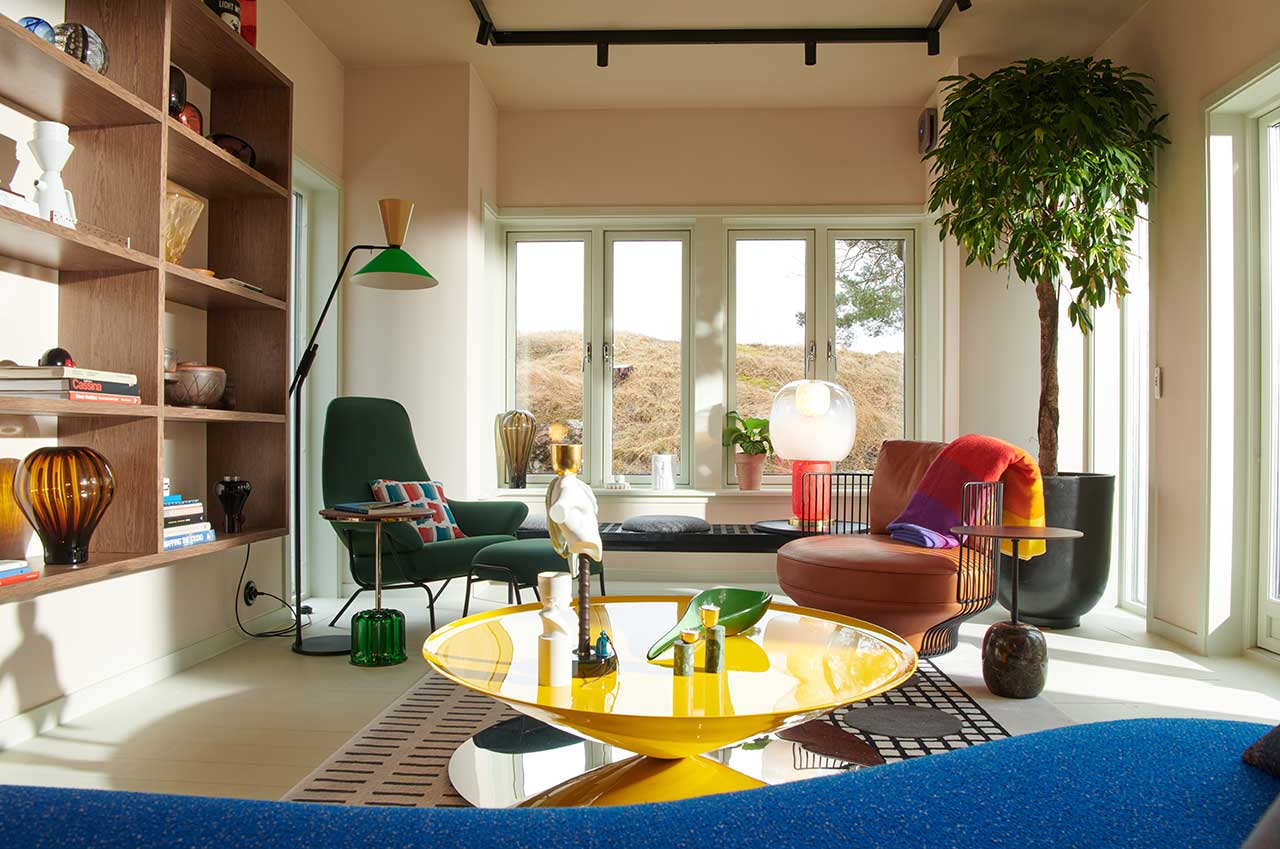
The 1940s Kitchen Design Style
The 1940s Kitchen Design Style exudes an air of nostalgia and simplicity, inviting warmth and comfort into every corner.
With its characteristic blend of artistry and practicality, this era effortlessly captures the essence of post-war optimism.
Picture pristine white cabinetry adorned with delicate floral patterns, adding a touch of femininity to the room’s ambiance.
Gleaming chrome fixtures sparkle under soft lighting, while linoleum floors don vibrant hues reminiscent of nature’s bountiful palette.
Every appliance is meticulously arranged for effortless accessibility – from sturdy stoves standing as sentinels against culinary trials to sleek refrigerators preserving freshness with unwavering dedication.
It is in these spaces that families gather around cozy dinettes or quaint breakfast nooks, fostering conversation and creating lasting memories amidst the aromatic symphony emanating from simmering pots on reliable gas ranges.
As you step back into reality, carry with you the inspiration drawn from these resplendent 1940s kitchens – where beauty met functionality in captivating unity – reminding us all that vintage charm never truly goes out of style.
:max_bytes(150000):strip_icc():format(webp)/kitchens-from-the-1930s-and-1940s-1821196-hero-7ef255b4fb2545018fb3f9c77681ec09.jpg)


How to Incorporate 1940s Design Style into Modern Homes
The 1940s was a decade of glamour and sophistication in interior design, with its signature elements including Hollywood-inspired touches, luxurious fabrics, and bold color schemes.
Many people are now looking to incorporate this vintage interior style into their modern homes but may be unsure of where to start.
This section will provide tips for seamlessly blending 1940s style into your home decor.
Start with the Color Palette
One of the most defining features of 1940s interior design is its bold and rich colors, such as deep reds, navy blues, emerald greens, and golden yellows.
Consider incorporating these hues into your walls or furniture pieces to achieve a truly vintage look in your home.
If painting the walls is not an option, you can still infuse pops of color through accessories such as throw pillows or curtains.
Mix Old and New Pieces
Incorporating vintage pieces from the 1940s into your modern home is key to achieving an authentic look.
Look for statement furniture pieces like a Chesterfield sofa or a tufted armchair that exude old-school glamour.
You can also find unique vintage decor items, such as vases or lamps, at flea markets or antique stores to add character and charm to your space.
Repurpose Old Furniture
Repurposing old furniture is one of the easiest ways to add a vintage touch to your space.
Look for antique or thrift store finds such as dressers, chairs, or tables with unique details like carved legs or ornate handles.
You can then give these pieces new life by sanding them down, painting them distressed, or staining them in a rich, dark color.
Another fun way to repurpose furniture is to use decoupage techniques. This involves gluing paper cutouts onto the furniture’s surface and sealing them with varnish for a durable finish.
For a unique look, you can use vintage-inspired wallpaper or pages from old books or magazines.
Create Your Own Vintage Artwork
Vintage artwork adds character and charm to any room, but original pieces from the era can be quite pricey. Instead, why not create your own?
One easy way is to print out high-quality images of famous paintings from the 1920s-1950s and frame them in ornate frames picked up at flea markets or thrift stores.
FAQs
How can I incorporate 1940s interior design elements into a modern home?
To incorporate 1940s design into a modern home, start with a color palette of bold, rich hues like deep reds and emerald greens.
Mix vintage pieces such as statement furniture or decor with contemporary items. Use luxurious fabrics, vintage lighting fixtures, and mirrors to add an authentic touch.
Reusing old furniture with distressed finishes and creating vintage artwork can also enhance the nostalgic ambiance.
What furniture and decor pieces are characteristic of 1940s vintage glamour style?
Key furniture and decor pieces include statement pieces such as velvet-tufted sofas, vintage daybeds, ornate chandeliers, and mirrored furniture that reflects light and adds a touch of luxury.
Rich fabrics like velvet, silk, and satin are common, along with vintage accessories such as vases, lamps, and ornate frames.
Repurposed old furniture with a distressed finish and vintage artwork also contribute to the style.
What is the significance of colors and patterns in 1940s interior design?
Colors in 1940s interior design were rich and deep, such as emerald green, sapphire blue, and ruby red, creating a luxurious and warm atmosphere.
Pastel shades like lavender and baby blue also added softness.
Patterns, often geometric or stylized florals, added texture and visual interest, with wallpaper featuring Art Deco-inspired designs and floral motifs being prevalent.
How did World War II influence interior design in the 1940s?
World War II led to a shift in interior design towards practicality and affordability due to rationing and economic constraints.
Opulent materials were scaled back, and Traditional interior design styles remained popular because many could not afford new designs.
This era’s design reflected a practical yet elegant approach, with an emphasis on comfort and functionality.
What are the main features of 1940s interior design?
The main features of 1940s interior design include bold colors such as deep reds and jewel tones, intricate patterns like chevron and floral motifs, and high-quality materials including velvet, silk, and brass.
The era also emphasized glamour, functionality, and nostalgia, often reflecting influences from Art Deco and Hollywood glamour.
Conclusion
In 1940s interior design, capturing the essence of authenticity requires a keen eye and attention to detail.
Aspiring decorators of the era often sought expert guidance or flipped through magazines for inspiration.
To truly grasp the essence of this nostalgic era, interior photographers played a pivotal role, meticulously documenting the subtle nuances of design trends.
Their snapshots served as visual guides for enthusiasts, offering invaluable insights into the era’s sophisticated yet cozy aesthetics.
From warm earthy tones to the timeless elegance of Art Deco accents, these photographers skillfully immortalized the essence of 1940s interiors, ensuring that each element was captured with precision and grace.
Explore Interior Design Trends →
Explore Interior Color Trends →
Explore Interior Design Styles →
Author: Rosena MacFadzean for SampleBoard.com