Last Updated on June 12, 2026 by Rosslyn Tebbutt
Minimalist interior design is more than just a trend—it’s a lifestyle choice that embraces simplicity, functionality, and a clutter-free environment.
- Core Principles of Minimalist Interior Design
- Minimalist Interior Design Variations
- Room-by-Room Minimalist Styling Guide
- Styling Small Spaces in Minimalist Design
- Minimalist Lighting Guide
- Sustainability in Minimalist Design
- DIY and Budget-Friendly Minimalist Decor Ideas
- Minimalist Interior Design Dos and Don’ts
- Conclusion
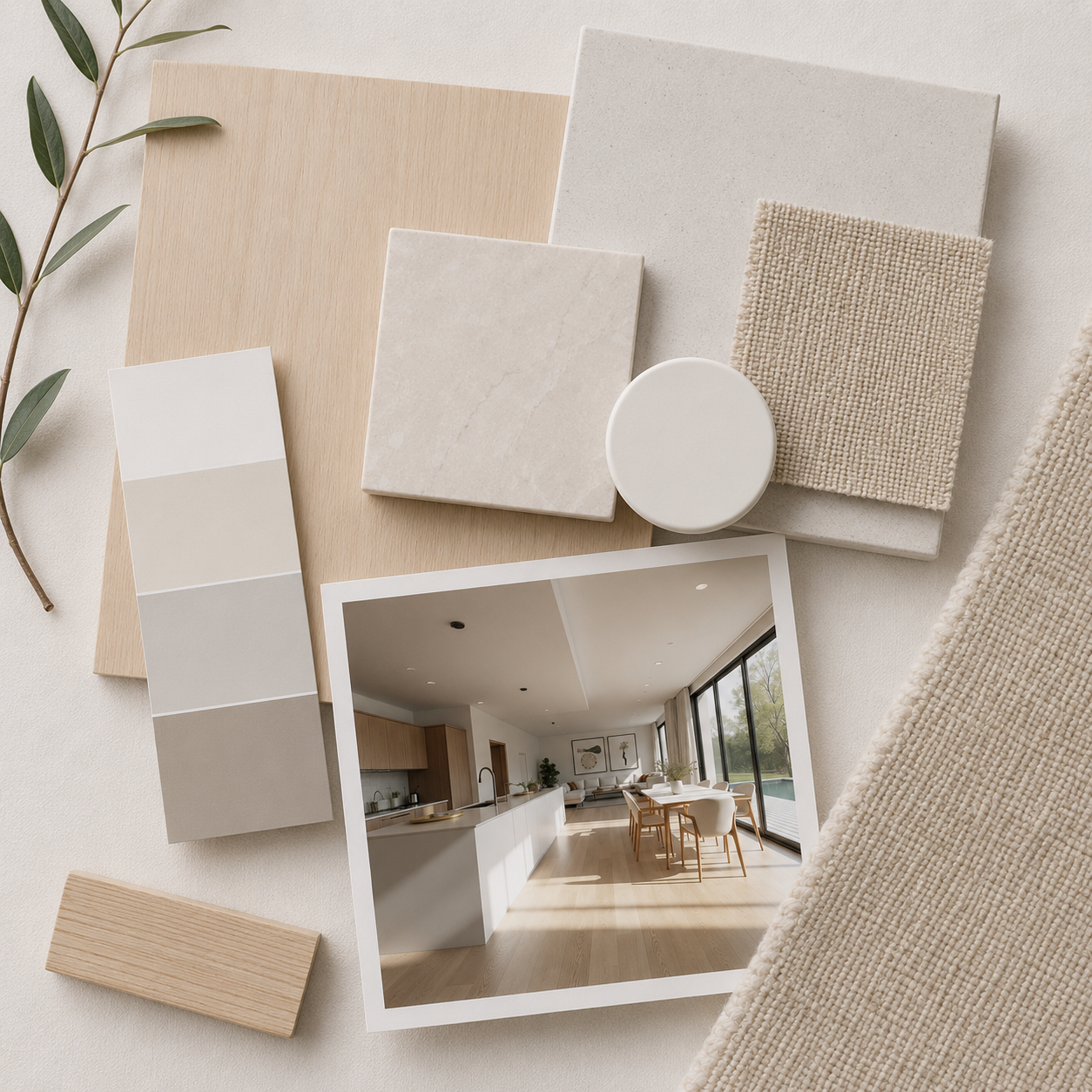
For designers presenting minimalist interiors, the Lilli Design Presentation and Minimalist Mood Board Templates from SampleBoard Studio offers a calm, considered framework for showcasing simplicity, balance, and intentional design choices.

Rooted in the philosophy of “less is more,” this style focuses on clean lines, neutral colors, and high-quality materials to create a serene and intentional space.
Whether you’re aiming for a full minimalist transformation or just want to incorporate minimalist elements into your home, this guide will help you achieve the look with balance and purpose.


Core Principles of Minimalist Interior Design
To truly embrace minimalism in interior design, it’s essential to understand the key principles that define this aesthetic.
1. Simplicity in Design
Minimalist spaces prioritize clean, straightforward designs with an emphasis on function.
Every element in the room should have a purpose, and nothing should be excessive or unnecessary.
2. Clutter-Free Spaces
A minimalist home is free of unnecessary decor, excess furniture, and visual distractions.
Smart storage solutions help keep everyday essentials out of sight while maintaining a tidy appearance.

3. A Neutral and Monochromatic Color Palette
Minimalist design often incorporates whites, grays, soft beiges, and black for a timeless, calming aesthetic.
Subtle variations in texture and material create depth without overwhelming the space.
4. High-Quality, Thoughtful Materials
Instead of relying on decorative clutter, minimalist interiors highlight the quality of materials used, such as natural wood, stone, linen, and metal.
Choosing fewer but better-quality pieces ensures longevity and elegance.
5. Functional and Multi-Purpose Furniture
Furniture in minimalist design is chosen with both aesthetics and function in mind.
Multi-purpose furniture, such as modular sofas and storage-integrated coffee tables, helps maintain a clean and open space.


Minimalist Interior Design Variations
Minimalism can be adapted to different preferences and lifestyles.
Here are some variations that offer unique takes on the style:
Scandinavian Minimalism
- Color Palette: Soft neutrals with warm wood tones and hints of pastel.
- Key Features: Hygge-inspired cozy elements, layered textures, and functional furniture.
- Materials: Light oak, wool, linen, and ceramics.
Japanese Minimalism (Japandi)
- Color Palette: Earthy tones with an emphasis on balance and harmony.
- Key Features: Zen-inspired simplicity, organic shapes, and low-profile furniture.
- Materials: Bamboo, washi paper, raw stone, and handcrafted decor.
Industrial Minimalism
- Color Palette: Darker tones with black, charcoal, and exposed raw materials.
- Key Features: Open spaces, metal accents, and concrete finishes.
- Materials: Steel, exposed brick, concrete, and reclaimed wood.

Room-by-Room Minimalist Styling Guide
Living Room
- Seating: Opt for streamlined, comfortable sofas in neutral colors with sleek silhouettes.
- Furniture: Select essential pieces only—think a simple coffee table, a statement chair, and open shelving.
- Lighting: Use floor lamps or pendant lights with clean, geometric shapes.
- Decor: Keep it minimal—one or two carefully chosen pieces of artwork, a textured throw, and a single plant.


Kitchen
- Cabinetry: Handle-free, flat-panel cabinets in neutral colors maintain a seamless look.
- Countertops: Opt for quartz, marble, or concrete for a clean and sophisticated finish.
- Backsplash: Simple white or neutral subway tiles add subtle texture.
- Fixtures: Matte black or stainless steel for a modern touch.
- Open Shelving: Minimal, well-organized shelving instead of heavy cabinetry.


Dining Room
- Table and Chairs: A simple wooden or glass dining table with sleek, upholstered chairs.
- Lighting: Pendant lights with a sculptural, geometric form.
- Centerpieces: A single ceramic vase or a bowl with fresh fruit.


Bedroom
- Bed Frame: Low-profile beds with simple, sturdy frames in wood or upholstered fabrics.
- Bedding: Soft, high-quality linens in neutral shades.
- Nightstands: Floating or minimalistic nightstands with only the essentials.
- Lighting: Wall sconces or pendant lights for a clutter-free look.


Bathroom
- Vanity: Floating vanities with a sleek, handle-free design.
- Tiles: Large-format tiles in neutral hues to create a seamless effect.
- Fixtures: Matte black, brushed brass, or stainless steel for a modern edge.
- Decor: A single statement mirror, neatly arranged toiletries, and minimal shelving.


Styling Small Spaces in Minimalist Design
- Multi-Functional Furniture: Opt for furniture that doubles as storage, such as ottomans with hidden compartments.
- Light Colors and Mirrors: Use mirrors to reflect light and create an illusion of space.
- Minimal Decor: Stick to one or two carefully curated pieces to avoid visual clutter.

Minimalist Lighting Guide
- Pendant Lights: Sleek, geometric fixtures for subtle elegance.
- Floor Lamps: Simple, sculptural designs that blend into the background.
- Recessed Lighting: Clean, unobtrusive lighting for a modern, airy feel.
- Wall Sconces: Ideal for maintaining a clutter-free look while providing ambient lighting.
Sustainability in Minimalist Design
- Invest in Timeless, High-Quality Pieces: Fewer, well-made items last longer and reduce waste.
- Use Sustainable Materials: Opt for reclaimed wood, bamboo, and eco-friendly fabrics.
- Energy-Efficient Lighting and Appliances: LED lighting and energy-efficient appliances help reduce environmental impact.
- Repurpose and Reuse: Instead of buying new decor, repurpose existing items or shop second-hand.

DIY and Budget-Friendly Minimalist Decor Ideas
- Declutter and Organize: Start by removing non-essential items to create a clean slate.
- Repurpose Old Furniture: Give new life to existing furniture with a fresh coat of paint or reupholstery.
- DIY Artwork: Create abstract or monochromatic art pieces for a personal touch.
- Minimalist Plant Decor: Use simple planters with easy-to-maintain plants like succulents or snake plants.


Minimalist Interior Design Dos and Don’ts
Dos
✔ Focus on functionality—every piece should serve a purpose.
✔ Stick to a neutral color palette with subtle textures for warmth.
✔ Invest in quality over quantity.
✔ Keep spaces open and airy with strategic furniture placement.
✔ Use concealed storage to maintain a clutter-free look.
Don’ts
✖ Overcrowd the space with unnecessary furniture or decor.
✖ Use too many colors—stick to a cohesive palette.
✖ Sacrifice comfort for the sake of minimalism—coziness is key.
✖ Neglect lighting—proper lighting enhances a minimalist space.
✖ Forget to personalize—minimalist doesn’t mean sterile. Add warmth through textures and meaningful decor.


Conclusion
Minimalist interior design is all about creating a space that is simple, functional, and aesthetically pleasing.
By focusing on quality materials, clean lines, and intentional decor, you can achieve a home that feels both modern and timeless.
Whether you’re decluttering a single room or embracing minimalism throughout your home, this guide will help you craft a space that reflects calmness and sophistication.
While minimalist interiors focus on simplicity and restraint, Neo-Classical design introduces structure and ornamentation, creating spaces that feel more formal and architecturally refined.
Explore the Neo-Classical Interior Design Style Guide →
Mid-century modern interiors share many principles with minimalist design, particularly in their focus on function, clean lines, and simplicity.
Explore the Mid-Century Modern Interior Design Style Guide →