Last Updated on August 11, 2026 by Rosslyn Tebbutt
There’s a certain magic in a garden that feels alive from the ground up. The flowers seem brighter, the greenery more generous, and even the air feels different.
We often credit the arrangement of plants or the charm of the hardscaping, but the real secret lies deeper in the soil beneath our feet.
This foundation shapes the look and feel of an outdoor space long before the first bloom appears.
Why Soil Quality Matters in Outdoor Design
Healthy soil is more than dirt between plant roots.
It’s a living system that influences how colors develop, how lush the foliage appears, and how long a garden stays vibrant through the seasons.
The right soil composition supports strong root networks, giving plants the stability and access to nutrients they need to thrive.
Designers who work with outdoor spaces know the visual story starts long before the first plant is placed.
Rich, well-structured soil can make foliage fuller, blooms more intense, and lawns more uniform in tone.
Poor-quality soil, by contrast, can leave the most carefully planned spaces looking tired before they’ve had a chance to flourish.
By treating soil as the base layer of a design, every element above it has the best possible chance to reach its potential.
The Science of Topsoil: What’s in the “Good Stuff”
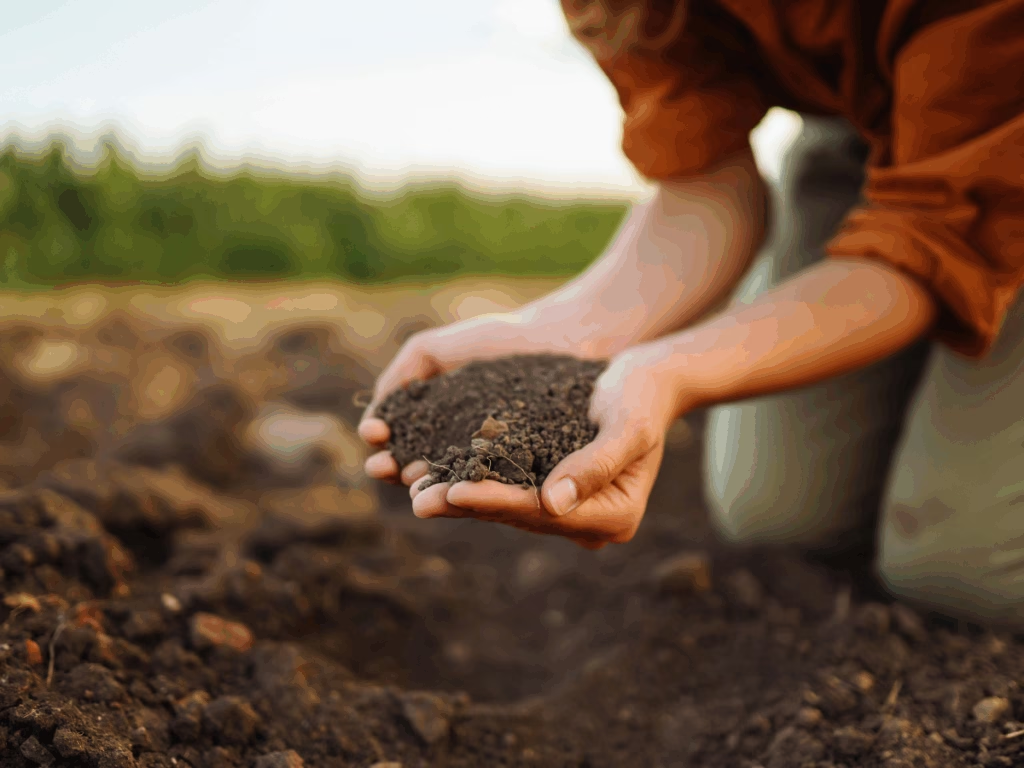
Topsoil isn’t simply the top few inches of earth. It’s the most active, nutrient-rich layer where most plants establish their roots.
A well-balanced topsoil contains a blend of organic matter, minerals, air pockets, and moisture that together create the ideal environment for growth.
Organic content feeds plants over time, while the structure of the soil regulates water flow, holding enough moisture for roots to absorb without drowning them.
Different plant types thrive in various soil compositions. A sandy loam might be perfect for Mediterranean-style gardens, while a clay-rich mix could better support dense, moisture-loving foliage.
Knowing the difference allows designers to match their planting plans to the soil’s natural strengths or to amend the soil so it better suits the intended design.
For anyone unsure about their soil, the USDA’s guide to soil health explains what makes soil thrive and how to improve it for stronger growth and visual impact.

Designing from the Ground Up
In outdoor design, even the most beautiful plans can fall short if the soil can’t support them. A garden’s texture, fullness, and long-term vitality all start with the ground layer.
Many designers begin their projects by assessing the site’s soil to see whether it can be improved or if a fresh start is needed.
When the foundation isn’t right, the search often turns to finding high-quality topsoil for sale that meets both horticultural and design goals.
The priority is choosing soil rich in organic matter with the right texture for drainage and stability, so the plants and layout have the best chance to grow into the vision on paper.

Common Soil Mistakes That Kill the Wow Factor
Even the most carefully planned outdoor spaces can struggle when the groundwork isn’t right.
One of the most common issues is relying on the existing soil without understanding its composition.
Soil that’s too heavy can suffocate roots, while soil that’s too light may drain so quickly that plants never get the moisture they need.
Another frequent mistake is skipping soil improvement before planting. Once a design is installed, correcting poor soil becomes far more difficult and disruptive.
Designers sometimes overlook pH compatibility as well, leading to plants that fade or fail because they can’t access key nutrients.
In some cases, lower-quality fill dirt is used instead of nutrient-rich topsoil, leaving the space looking uneven or sparse within a single season.
Avoiding these pitfalls is as much a part of design as choosing the right plants or hardscape elements.
Bringing It All Together: Soil Meets Style
When soil health and design vision work in harmony, outdoor spaces feel complete in a way that goes beyond plant placement or decorative accents.
Good soil provides structure to the layout, consistency to the colors, and longevity to the overall look.
It allows the planting scheme to settle into its surroundings so the space matures gracefully instead of fading after the first season.
For designers, the soil becomes part of the palette, just as important as the plants, materials, and lighting.
Pairing a strong foundation with a thoughtful layout, as in a well-planned outdoor living space, makes it easier to achieve areas that look as good in reality as they do on paper.
By starting with a healthy, well-prepared base, every creative choice above it has the best chance to succeed.
Beauty Begins Below the Surface
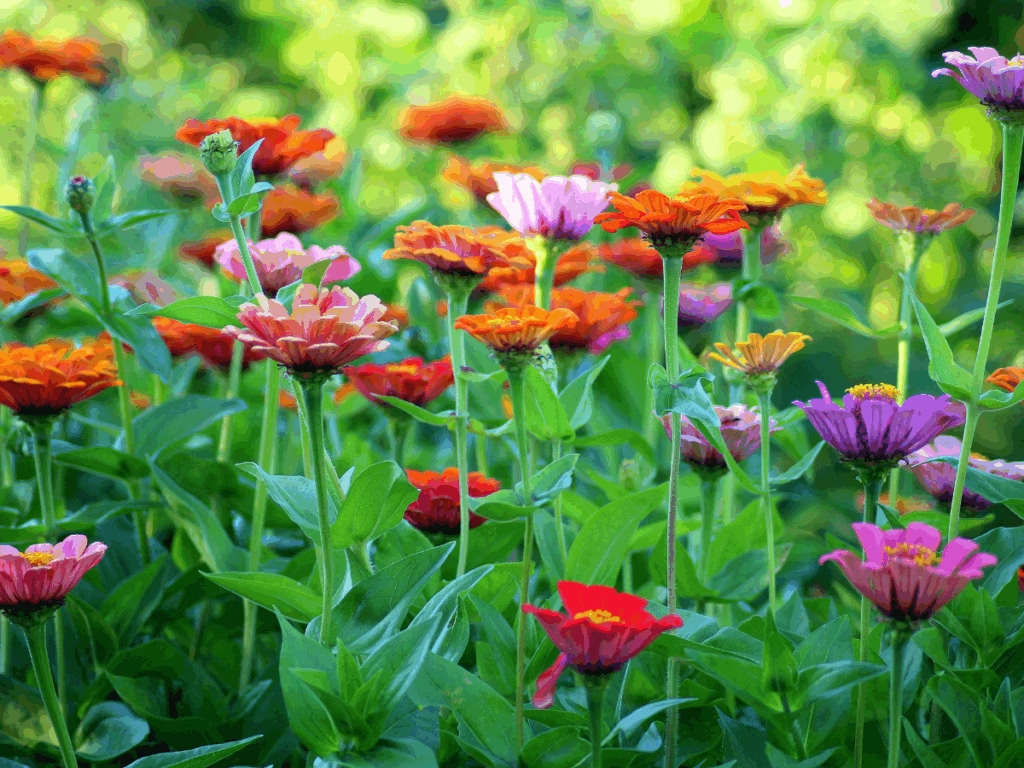
The most memorable gardens start from the ground up. By treating the soil as the first and most important layer of design, every other element gains the support it needs to flourish.
Quality soil fosters healthier growth, richer colors, and a layout that holds its shape over time.
Choose the right foundation, and you create a space that looks beautiful today and continues to reward care and creativity for years to come.