
Last Updated on August 11, 2026 by Rosslyn Tebbutt
Multi-tenant office buildings in Pennsylvania face unique challenges when it comes to security.
With multiple businesses, constant foot traffic, and shared access points, a basic camera setup is rarely enough.
The most effective approach often starts with professional security camera installation services that design systems combining high-resolution cameras, centralized monitoring, and controlled access integration to cover all entryways, common areas, and parking facilities.
A well-designed system not only deters unauthorized entry but also helps property managers handle incidents quickly and maintain a safe environment for tenants.
Modern solutions often include remote access, motion alerts, and scalable storage options, making them adaptable to buildings of different sizes and tenant needs.
Choosing the right system involves more than just selecting cameras. The setup must balance convenience with strong security, ensuring tenants feel safe without restricting daily operations.
This balance makes a tailored, commercial-grade system the best choice for multi-tenant office buildings in PA.
Key Takeaways
- Multi-tenant office buildings require security systems designed for shared spaces
- Strong camera coverage and integrated features improve safety and efficiency
- Proper planning and management ensure long-term system effectiveness
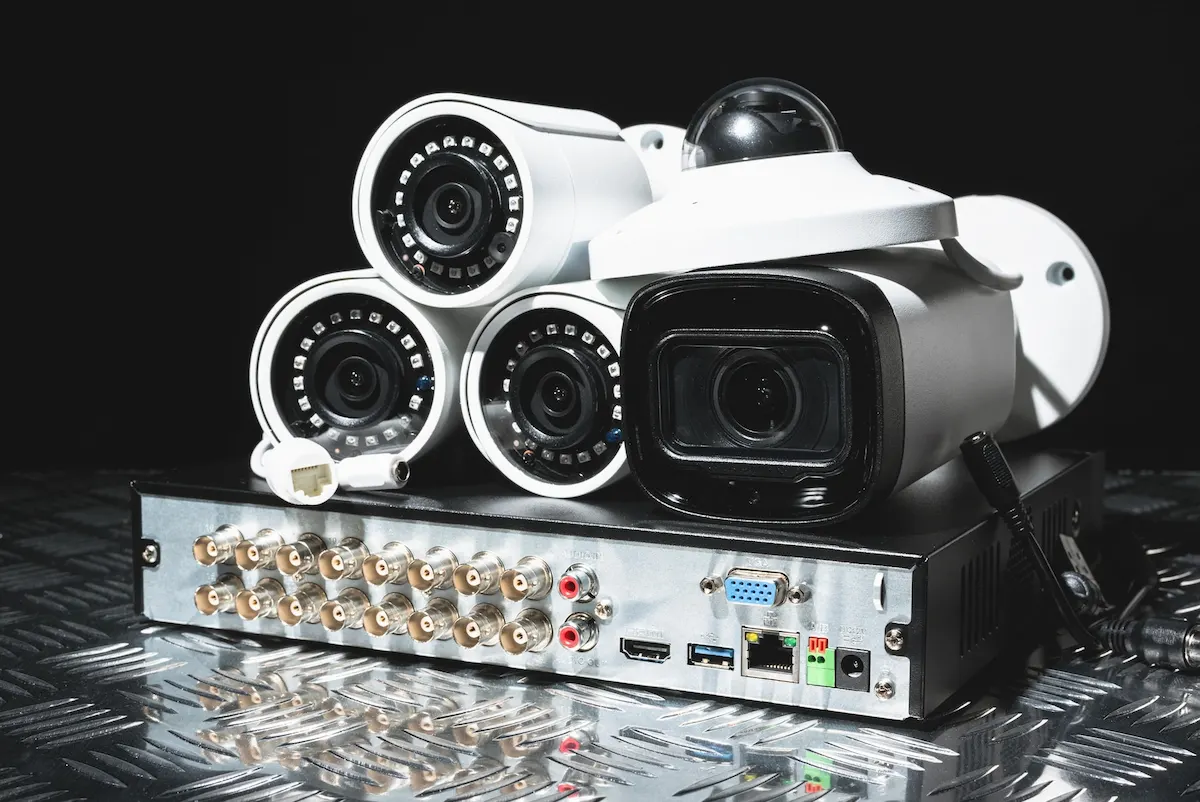
Essential Security Camera System Features for Multi-Tenant Office Buildings in PA
Multi-tenant office buildings require security systems that balance tenant privacy with effective monitoring.
Property managers must address access control, camera coverage, and real-time oversight to ensure safety without creating unnecessary barriers for employees, visitors, and service providers.
Understanding Unique Security Challenges in Multi-Tenant Environments
Multi-tenant buildings present layered security challenges because multiple businesses share the same infrastructure.
Each tenant may have different access needs, operating hours, and visitor policies, which complicates security planning.
Unauthorized entry is a common concern, especially in shared lobbies, elevators, and parking areas. Without proper surveillance systems, it becomes difficult to track who enters and exits the property.
Property managers also face the challenge of maintaining tenant privacy. Cameras must be positioned to monitor shared areas without intruding into leased office spaces.
This requires careful planning and clear security policies.
Effective solutions often combine access control systems with surveillance. Integrating keycards, mobile credentials, or smart locks with cameras helps confirm identities and reduce risks in high-traffic areas.
Key Components of an Effective Security System
A strong security system for multi-tenant properties relies on several core components working together.
High-resolution cameras with features like motion detection, low-light performance, and wide-angle coverage form the foundation.
Centralized access control solutions allow property managers to assign permissions for tenants, employees, and visitors.
When linked with surveillance, these systems provide both visibility and control over building access.
Other important elements include:
- Network video recorders (NVRs) for reliable storage
- Remote monitoring platforms for property managers
- AI-based analytics for detecting unusual activity
- Alerts and notifications for rapid response
Working with professional services ensures that these components are configured correctly and integrated into existing building systems.
Strategic Camera Placement and Real-Time Monitoring
Camera placement directly affects system effectiveness. Entrances, exits, lobbies, elevators, stairwells, and parking areas are high-priority locations. Coverage of these areas helps deter unauthorized access and provides clear records in case of disputes or incidents.
Real-time monitoring is equally important. Modern platforms allow property managers to view live feeds from multiple cameras on a single dashboard.
This centralized approach improves response times and supports coordinated action across the property.
Remote access features let managers and security staff check live footage from mobile devices. This flexibility is especially valuable for multi-tenant office buildings where incidents may occur outside regular business hours.
By combining strategic placement with real-time monitoring, property managers can maintain both security and tenant confidence.

Best Practices for Implementing and Managing Security Camera Systems
Effective implementation of security camera systems requires careful planning, ongoing oversight, and a focus on both technical and operational needs.
Property managers must balance tenant safety, regulatory compliance, and long-term system reliability.
Assessing Security Requirements and Threats
Property managers should begin by identifying specific security requirements for the building.
Multi-tenant office spaces often face risks such as unauthorized access, theft, vandalism, and liability claims. Each of these threats requires tailored camera placement and system features.
A structured risk assessment helps determine whether to use fixed, wide-angle, or PTZ cameras. For example, PTZ cameras are effective in parking lots, while fixed cameras work well in lobbies and hallways.
Key considerations include:
- High-traffic zones (entrances, elevators, stairwells)
- Sensitive areas (server rooms, storage areas)
- Outdoor coverage (parking lots, loading docks)
Documenting these requirements ensures the system aligns with both tenant expectations and insurance or regulatory standards.
Preventing Security Breaches and Ensuring Compliance
Preventing security breaches requires more than just installing cameras. Property managers should enforce strict user access controls within the video management system (VMS).
Centralized VMS platforms allow controlled permissions, ensuring only authorized staff can view or retrieve footage.
Compliance is another critical factor. In Pennsylvania, property owners must follow privacy regulations, particularly when cameras are positioned in shared spaces. Clear signage and tenant communication reduce disputes while maintaining transparency.
Additional steps include:
- Regular audits of footage storage and retention policies
- Encryption of video data to prevent tampering
- Routine testing of alerts and motion detection features
These practices strengthen trust among tenants and reduce exposure to legal or reputational risks.

Conclusion
Multi-tenant office buildings in Pennsylvania benefit most from security camera systems that combine video surveillance, access control integration, and remote monitoring.
These features address the challenges of multiple entry points, high visitor traffic, and varied tenant needs.
Choosing a scalable, professionally installed system allows property managers to adapt to tenant turnover and evolving security requirements.
This approach provides a practical, long-term solution for safeguarding people, property, and daily operations.