Last Updated on August 11, 2026 by Rosslyn Tebbutt
Ever wondered how 3D visualization revolutionizes interior design, enhancing clarity, collaboration, and confidence in creating your dream space?
- A Legacy of Form: The Unchanging Goal in a Changing World
- The Friction of the Second Dimension: Deconstructing the Failures of Traditional Design
- Entering the Third Dimension: A Paradigm Shift in Process and Perception
- The New Design Democracy
- The Horizon of Possibility: Intelligent and Immersive Futures
- Conclusion: Beyond the Blueprint
The scene is a familiar one, a tableau played out in countless living rooms and design studios for decades.
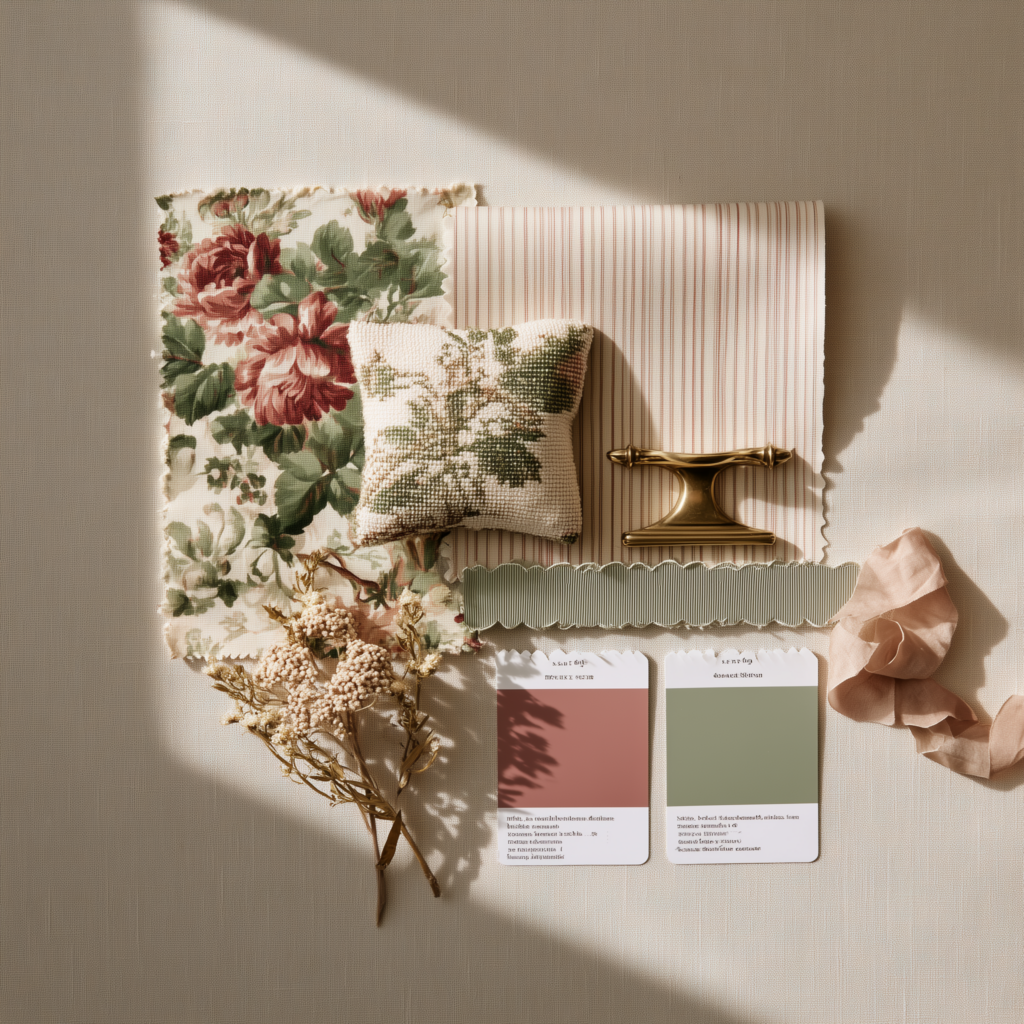
An interior designer, armed with a portfolio of meticulously rendered 2D floor plans, a curated mood board of rich fabric swatches, and a fan of carefully selected paint chips, presents their vision.
The client, a homeowner filled with a mix of anticipation and anxiety, nods along, trying to mentally assemble these disparate, abstract elements.
They attempt to translate the flat lines on the page into the volumetric reality of a room, to imagine the cool texture of a stone countertop from a small, smooth sample, to project a two-inch paint square onto four hundred square feet of wall.
Despite the designer’s eloquent descriptions, a chasm of uncertainty remains—the imagination gap.
This gap is the central conflict that has historically defined the designer-client relationship, a space fraught with potential for misinterpretation, disappointment, and costly revisions.
Now, consider a different scene, one that is rapidly becoming the new industry standard. The same designer, in the same living room, swivels a laptop.
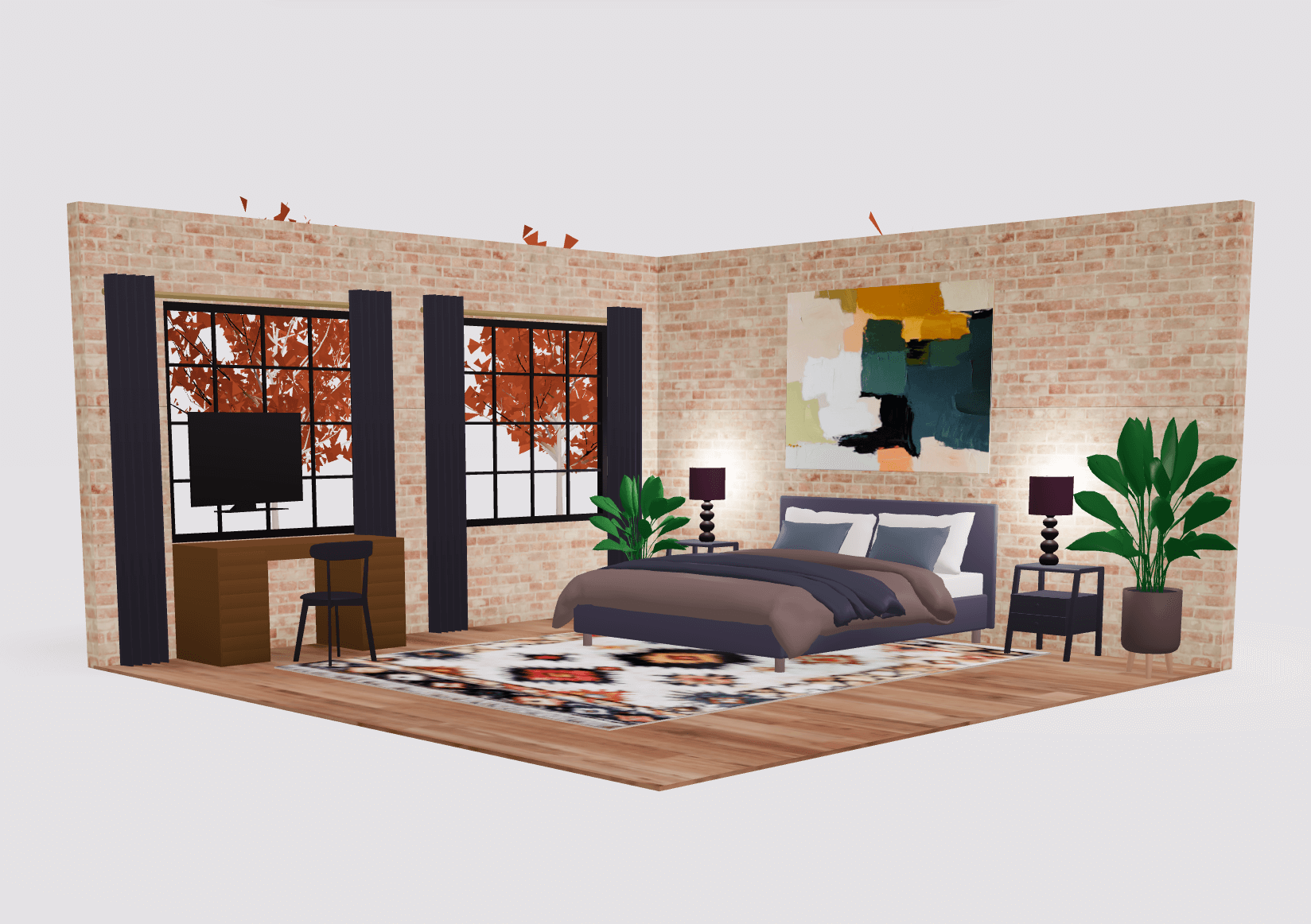
On the screen is not a collection of abstract symbols but a vibrant, photorealistic 3D model of the client’s future space.
With a few clicks, they embark on a virtual walkthrough, moving through doorways, assessing clearances, and experiencing the room’s flow.
The client asks, “What if that wall were a darker shade of green?“
In seconds, the wall color changes. “And could we see that other sofa instead?” The furniture is swapped in real-time.
The client’s anxiety melts away, replaced by the palpable excitement of co-creation and the confidence of a decision clearly understood.
This is not merely a technological upgrade; it is a fundamental transformation.
The evolution from the flat plan to the dynamic 3D model represents a paradigm shift in the practice of interior design—a move from a process of interpretation to one of shared experience.
It marks the closing of the imagination gap, resolving a communication challenge that has hindered creativity and collaboration for generations.
By removing ambiguity and fostering a truly interactive dialogue, 3D visualization is not just changing how we design; it is redefining the very nature of the designer-client partnership, forging a new reality built on clarity, confidence, and shared vision.

A Legacy of Form: The Unchanging Goal in a Changing World
The current digital revolution in interior design, while seemingly abrupt, is not an anomaly.
It is the latest and most profound chapter in a long and continuous history of technological advancement driving the profession forward.
The core goal of interior design—to shape our environments for better function and aesthetic pleasure—has remained constant since its earliest origins.
What has changed, century by century, is the technology available to translate a three-dimensional idea into a communicable format.
The Primal Instinct for Design
The impulse to design our living spaces is a primal one.
The earliest evidence dates back to prehistoric humans who decorated their cave dwellings with drawings, demonstrating an innate desire to imbue their surroundings with meaning beyond mere shelter.
The Ancient Egyptians took this further, developing sophisticated interiors within their mud-hut homes, adding functional furniture covered in animal skins and decorating with painted vases and murals that documented their beliefs and history.
These early efforts, while rudimentary, established the foundational duality of interior design: the inseparable link between function and aesthetic expression.
The Classical Leap – Order and Symbolism
It was the ancient civilizations of Greece and Rome that formalized this practice into a sophisticated art and science.
They introduced enduring principles of symmetry, proportion, and harmony, creating a structured design language that still informs our work today.
The Romans, in particular, invested heavily in interior spaces to display their culture, status, and wealth, leaving behind a legacy of coordinated decorative elements like intricate mosaics and elaborate frescoes depicting mythological and historical events.
This era established a crucial precedent: interior design as a powerful tool for communication and a symbol of identity.
However, the methods for conveying these designs remained constrained, relying on physical construction and direct representation.
The Renaissance Revolution – The Power of Perspective
For centuries, the fundamental challenge persisted: how to accurately represent a three-dimensional space on a two-dimensional surface.
The monumental breakthrough came during the Italian Renaissance with the development of perspectival drawing.
This mathematical system allowed artists and architects to create the illusion of depth and volume on a flat plane, a revolutionary innovation that transformed design communication.
For the first time, a client could be shown a reasonably realistic depiction of a proposed space before construction began.
This was a direct historical parallel to the modern leap from 2D CAD to 3D rendering—a technological advance that dramatically improved representational fidelity and allowed for more complex and accurate planning.
Yet, it was still an abstraction, a clever trick of the eye, not a true representation of space.
The Industrial Age – New Materials, New Professions
The Second Industrial Revolution in the 19th and 20th centuries acted as another powerful catalyst for change.
The advent of mass production introduced a flood of new materials like steel, chrome, and plastics, while new technologies like electricity fundamentally altered how spaces were lit, organized, and lived in.
This period of rapid technological advancement gave birth to interior design as a formal profession, distinct from architecture and decoration.
As noted by design historians, the profession has since been in a constant dialogue with technology, swinging like a pendulum between “technocentrism” (embracing new technology) and “reaction” (reacting against it).
From the machine-age celebration of Art Deco to the organic reaction of mid-century modernism, technology has consistently been the force shaping the aesthetic and functional possibilities of design.
This historical trajectory reveals a clear and consistent pattern. The core friction in interior design has always been the translation of a three-dimensional concept into a two-dimensional medium for communication, and then back into a three-dimensional reality.
The Romans’ mosaics were a form of 2D storytelling within a 3D space.
The Renaissance’s perspective drawings were a mathematical system to simulate 3D on a 2D plane. 20th-century mood boards and blueprints digitized the process but failed to solve the fundamental problem of abstraction for the client. 3D visualization, therefore, is not just another incremental tool.
It is the first technology in history to break this cycle of 2D abstraction, allowing a design to exist and be manipulated in its native three-dimensional state throughout the entire process.
This represents the culmination of a centuries-long quest for a truly clear and intuitive medium of design communication.
The Friction of the Second Dimension: Deconstructing the Failures of Traditional Design
For all its historical necessity, the traditional, 2D-centric design workflow is rife with inherent friction, inefficiency, and potential for conflict.
Relying on blueprints, floor plans, and mood boards forces both the designer and the client into a process of abstraction that is often counterintuitive and fraught with ambiguity.
This friction is not merely an inconvenience; it represents a significant source of creative, financial, and relational risk that can undermine a project from its inception.
The Ambiguity of Abstraction
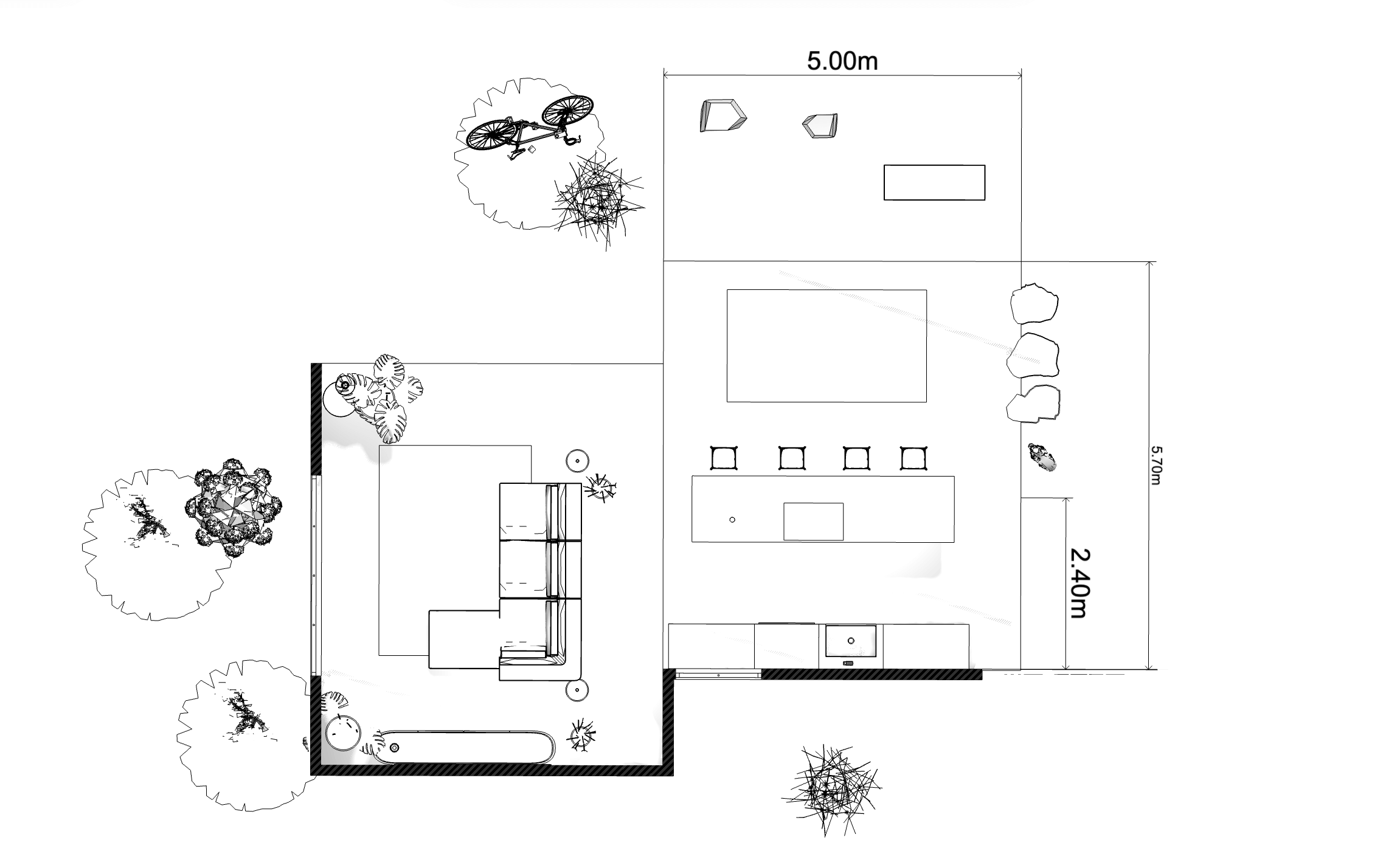
A 2D floor plan is not a picture of a room; it is a technical document, a symbolic language meant for builders and architects, not for the average homeowner.
The conventions used—dotted lines for overhead cabinets, arcs to indicate door swings, cryptic symbols for electrical outlets—are often unintelligible to an untrained eye.
This forces the client into a position of guesswork. They cannot truly perceive the spatial relationships, the feeling of volume, or the flow of movement from a flat drawing.
A 2D plan can show the length and width of a room, but it cannot convey the crucial third dimension of depth, nor can it simulate the play of light on different surfaces or the feeling of standing within the space.
This creates a profound disconnect between the designer’s clear intent and the client’s hazy mental picture, a gap where misunderstanding can flourish.
The High Cost of Miscommunication
This “imagination gap” is the primary catalyst for the most common and costly problems in interior design.
When a client approves a 2D plan, they are often approving an interpretation, not a reality.
The consequences of this disconnect surface later in the project, leading to endless rounds of revisions, unexpected changes during construction, and the dreaded scope creep that can derail budgets and timelines.
A design element that seemed perfectly fine on paper can feel overwhelmingly large or awkwardly placed once it is physically in the room.
Correcting these errors mid-stream is exponentially more expensive and stressful than getting it right from the start.
This constant potential for misunderstanding can poison the designer-client relationship.
What should be a creative, collaborative partnership can devolve into a frustrating series of negotiations and compromises, with the client feeling unheard and the designer feeling stymied.
The traditional process itself is a major contributor to this strain. It is inherently slow and linear, punctuated by formal in-person meetings that require travel and scheduling coordination, creating significant delays between the presentation of an idea and the reception of feedback.
The Creative and Financial Bottleneck
Beyond the client-facing issues, 2D-centric workflows create a significant internal bottleneck for the designer.
The process of manual drafting or even 2D Computer-Aided Design (CAD) is painstaking and iterative.
A single significant change—such as moving a wall or reconfiguring a kitchen layout—can require hours or even days of meticulous redrawing to update all associated plans and elevations.
This high cost of iteration actively discourages creative exploration and risk-taking.
A designer may have a bold, innovative idea but hesitate to present it, knowing that if the client rejects it, the time and effort spent modeling it will be lost.
The process incentivizes safe, conservative choices over potentially groundbreaking ones.
This creative limitation is compounded by the financial model of traditional design.
The immense overhead associated with the designer’s time, on-site project management, and the coordination of tradespeople results in high service fees, often ranging from $5,000 to over $30,000 for a project.
This price point places professional design services far out of reach for a vast segment of the market, reinforcing its status as a luxury service.
Ultimately, the limitations of 2D tools create a pernicious negative feedback loop. The ambiguity of the 2D plan leads to client uncertainty, which leads to late-stage changes.
The fear of these costly changes makes both parties risk-averse, stifling creativity.
The entire process becomes less about achieving the best possible design and more about mitigating the risks inherent in a flawed communication medium.
The problem, therefore, is not simply that 2D is slow; it is that it fundamentally undermines the creative, collaborative, and commercial foundations of a successful design project.
Entering the Third Dimension: A Paradigm Shift in Process and Perception
The advent of accessible, high-fidelity 3D visualization is not merely an improvement on the old model; it is a comprehensive solution that dismantles the friction of the second dimension.
By transforming the design process from a sequence of abstract interpretations into a shared, tangible experience, 3D tools are resolving the core challenges of communication, collaboration, and creativity that have long defined the industry.
The Power of Photorealism: From Interpretation to Experience
The most immediate and impactful benefit of 3D visualization is the elimination of ambiguity.
Modern rendering technology can simulate materials, textures, lighting, and shadows with stunning photorealism, allowing a client to see their future space with near-perfect clarity before a single physical change is made.
This moves the approval process from an intellectual exercise—interpreting a blueprint—to an emotional one: experiencing a space.
Clients can finally connect with the “feel” and “vibe” of a design, understand the scale of furniture in context, and appreciate the subtle interplay of light and color.
They are no longer guessing; they are seeing.
This newfound clarity has a profound effect on the project lifecycle. When clients can make decisions with confidence and excitement, the number of costly late-stage revisions plummets.
Timelines are shortened, budgets are protected, and client satisfaction soars.
The emotional connection fostered by seeing a realistic preview of their home builds trust and enthusiasm, transforming the relationship from a service transaction into a true creative partnership.
Designing at the Speed of Conversation: The Collaborative Revolution
Perhaps more transformative than photorealism itself is the way cloud-based 3D platforms have revolutionized the design workflow.
By moving the process online, these tools have untethered design from the physical constraints of the office and the formal meeting.
Designers can now collaborate with clients remotely, breaking down geographical barriers and opening up a global marketplace for their services.
The design process becomes a dynamic, real-time dialogue. Instead of a slow, linear sequence of drafting, presenting, and revising, the workflow becomes a fluid, interactive loop.
A designer can create a 3D model, share a secure link, and the client can take a virtual tour on their device, at their convenience.
Feedback is no longer delayed until the next scheduled meeting; it can be given instantly, often directly within the model itself.
This collaborative immediacy is the hallmark of modern platforms. For instance, the ecosystem provided by
Acradium 3d facilitates this exact workflow, turning what was once a static presentation into an interactive workshop and dramatically accelerating consensus-building.
This ability to iterate at the speed of conversation empowers designers to explore more creative options with the client, testing ideas and refining the vision together in a low-risk, high-engagement environment.
The following table provides a clear comparison, illustrating the fundamental shift in process and outcome.
| Feature | Traditional Method (2D-Centric) | 3D Visualization Method |
| Client Visualization | Relies on the client’s ability to interpret abstract 2D plans, mood boards, and samples. High potential for misunderstanding scale and feel. | Client sees a photorealistic, true-to-scale 3D model of the space. They can virtually “walk through” the design, eliminating ambiguity. |
| Revision Process | Revisions are slow and costly. Changes often require significant redrawing of plans, leading to project delays and budget overruns. | Revisions are fast and interactive. Changes to colors, materials, and furniture can be made in real-time during a collaborative session. |
| Collaboration | Asynchronous and location-dependent. Relies on scheduled in-person meetings and email exchanges, creating communication bottlenecks. | Synchronous and location-independent. Cloud-based platforms allow designers and clients to collaborate in real-time from anywhere in the world. |
| Client Confidence | Often low to moderate. Clients may feel anxious and uncertain, as they cannot fully visualize the final outcome until construction begins. | High. Clients feel confident and empowered, as they have already experienced the space virtually and approved a tangible, realistic vision. |
| Creative Exploration | Often low to moderate. Clients may feel anxious and uncertain, as they cannot fully visualize the outcome until construction begins. | Expansive. The ease of iteration allows designers and clients to explore multiple design options quickly, fostering greater creativity. |
| Accessibility | Low. High overhead and time investment result in expensive services, making professional design a luxury for a select few. | High. Efficiency gains and lower overhead enable more affordable e-design services, making professional guidance accessible to a broader audience. |
The primary value of 3D visualization, therefore, is not merely the creation of a “pretty picture.”
Its true power lies in its ability to transform the entire design process.
It converts a linear, high-friction monologue into a cyclical, low-friction dialogue, fundamentally changing the nature of design work and elevating the role of the designer from a presenter of finished ideas to a facilitator of a shared creative journey.
The New Design Democracy
The impact of 3D visualization extends far beyond the professional sphere, catalyzing a profound societal shift in how we approach the design of our personal spaces.
For centuries, the practice of interior design was an exclusive domain, a luxury service reserved for the wealthy who could afford the significant investment of time and money it required.
The tools were complex, the knowledge was specialized, and the process was opaque.
Today, that paradigm is being dismantled by a new generation of accessible, intuitive, and affordable digital tools, giving rise to a new design democracy.
The Rise of the Empowered Homeowner
The most significant consequence of this technological shift is the empowerment of the individual homeowner.
DIY enthusiasts, renters, and those undertaking renovations no longer need to rely solely on guesswork or expensive professional consultations for basic planning.
Modern 3D design platforms are overwhelmingly web-based, eliminating the need for costly software licenses or powerful, specialized hardware.
Their interfaces are designed for intuition, replacing complex commands with simple, user-friendly controls.
This accessibility allows anyone with a vision for their home to take control of the design process, enabling them to experiment with layouts, visualize furniture to scale, test color palettes, and plan their projects with a level of precision that was previously the exclusive purview of professionals.
The Tool That Unlocked the Door
The catalyst for this democratization is the technology itself.
The barrier to entry has been lowered so dramatically that sophisticated space planning is no longer a daunting technical task.
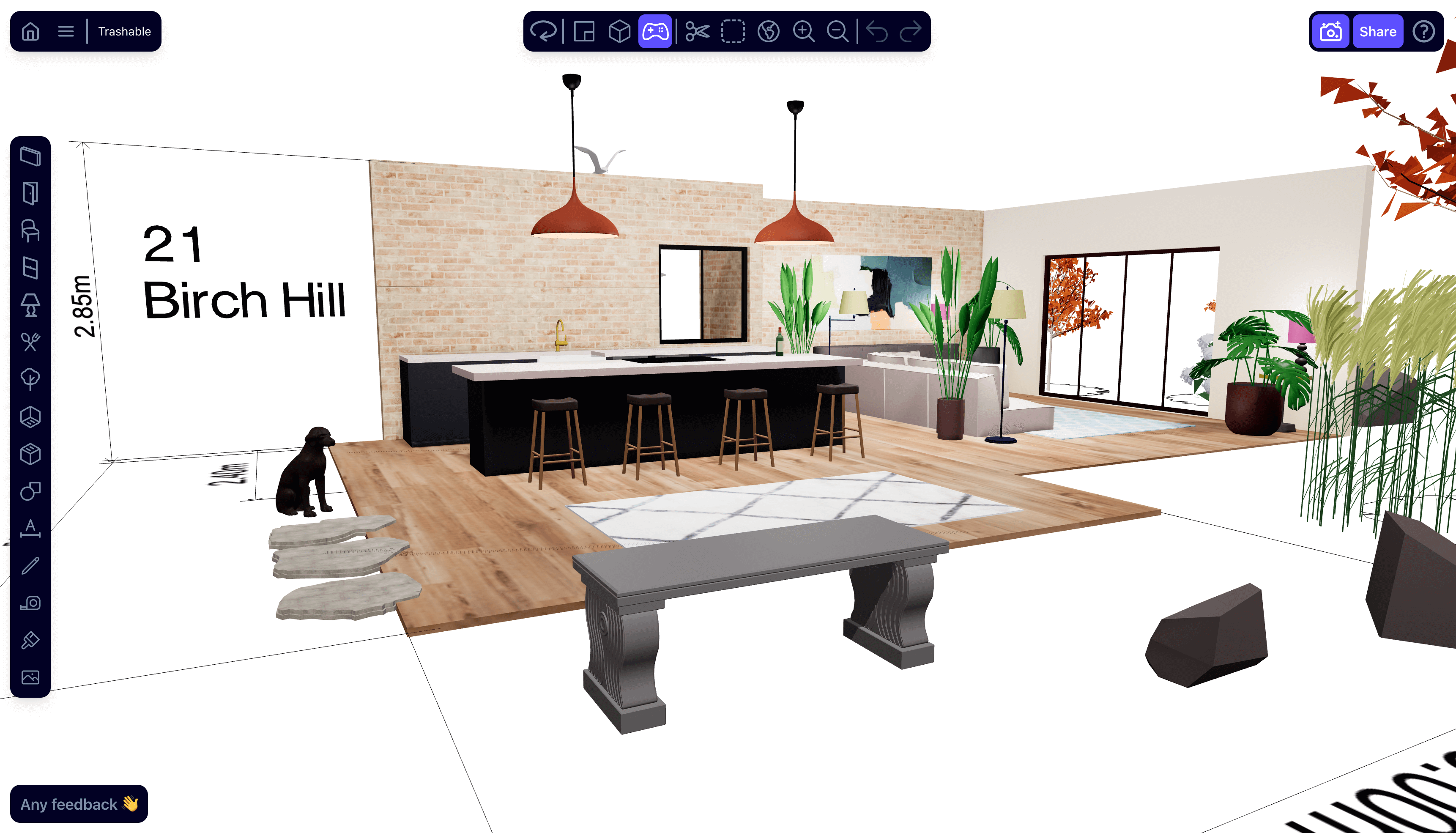
This shift has been powered by the emergence of the intuitive and powerful free room designer online, a tool that places creative control directly into the hands of the user.
These platforms often employ simple drag-and-drop functionality, provide access to vast libraries of pre-made, true-to-scale 3D models of furniture and decor, and feature controls that make the act of designing feel more like an engaging game than a technical chore.
This combination of power and simplicity is the key driver of mass adoption, inviting millions of people into a world of creative expression that was once closed to them.
A New Role for the Professional
This democratization does not, as some fear, render the professional interior designer obsolete. Instead, it reframes and elevates their role.
As clients become more educated and empowered to handle basic space planning themselves, the value proposition of the professional designer must evolve.
The conversation shifts from foundational layout work to higher-level, uniquely human expertise that technology cannot replicate.
Designers can leverage these same accessible tools to offer more flexible and affordable e-design services, breaking free from geographical constraints to serve a global client base.
Their focus moves up the value chain to tasks that require a trained eye and deep experience: curating unique material palettes, sourcing one-of-a-kind vintage or custom pieces, managing the complex logistics of procurement and installation, and solving intricate spatial problems that confound simple algorithms.
Most importantly, the professional’s role becomes centered on empathy—the ability to understand a client’s unspoken needs, to mediate differing tastes between partners, and to translate a family’s lifestyle into a functional and beautiful environment.
This evolution, paradoxically, strengthens the profession.
By commoditizing the most basic tasks, technology forces designers to concentrate on their most irreplaceable and valuable skills: expert curation, creative direction, human insight, and flawless project execution.
The democratization of design tools does not eliminate the need for designers; it clarifies their essential purpose and, in doing so, will ultimately lead to a more professionalized and highly skilled top tier of the industry.
The Horizon of Possibility: Intelligent and Immersive Futures
The revolution sparked by 3D visualization is far from over; in fact, it is just the first wave.
The current paradigm is rapidly being augmented by new layers of intelligence and immersion, driven by advancements in Artificial Intelligence (AI), Virtual Reality (VR), and Augmented Reality (AR).
These technologies are not disparate gimmicks but converging forces that are creating a seamless “digital twin” workflow—an intelligent, interactive, and immersive digital asset that will guide a project from initial concept to final installation.
The AI Co-Pilot: Augmenting, Not Replacing, Creativity
Contrary to the dystopian fears of creative replacement, AI is emerging as an indispensable collaborator for the modern designer—an intelligent co-pilot that automates laborious tasks, freeing up human designers to focus on creativity, strategy, and client relationships.
AI’s influence is already being felt in several key areas:
- Generative Design: AI algorithms can analyze a room’s dimensions, structural constraints, lighting conditions, and a client’s stylistic preferences to generate hundreds of viable layout and decor options in mere seconds. This massively expands the scope of creative exploration at the project’s outset, allowing designers to consider possibilities they might not have conceived of on their own.
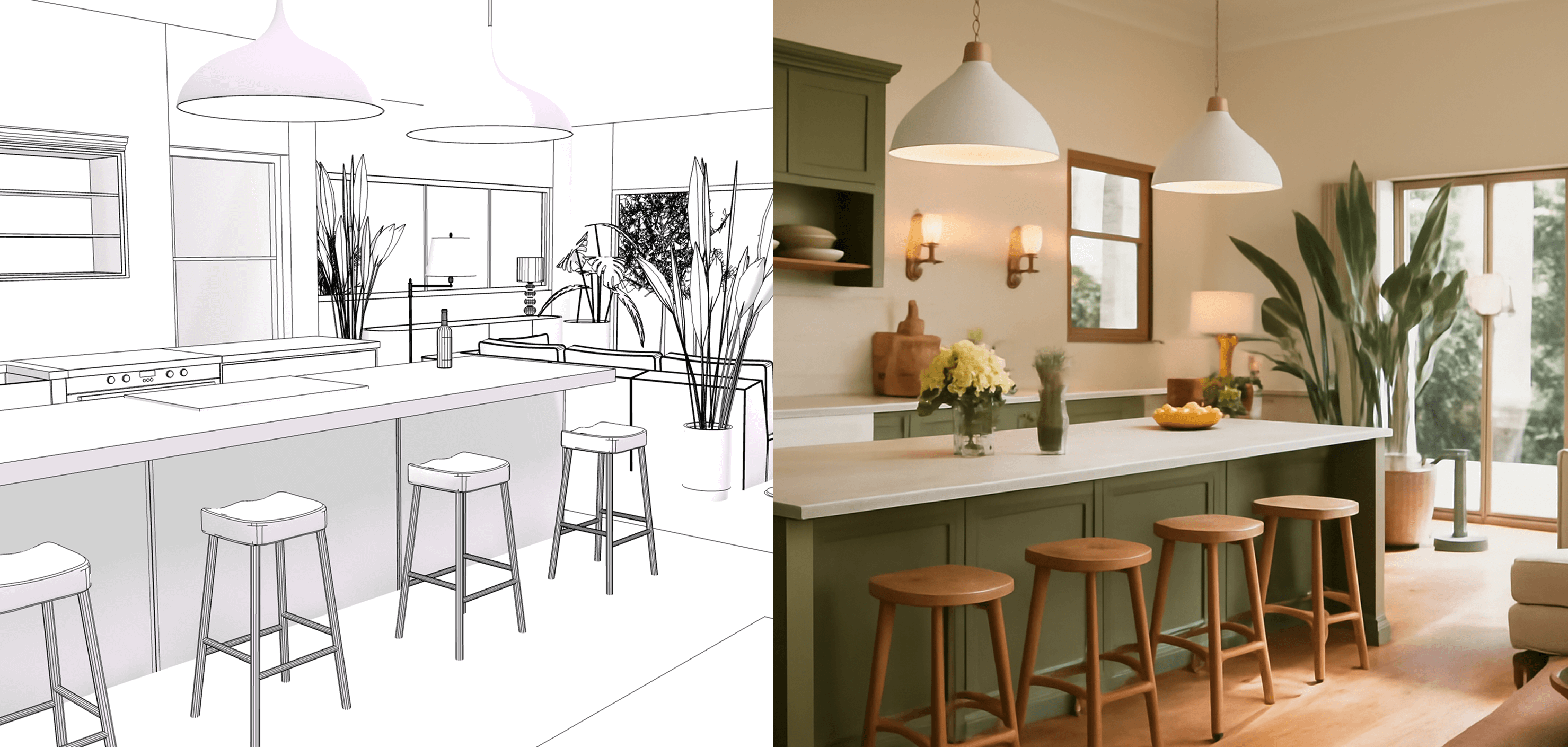
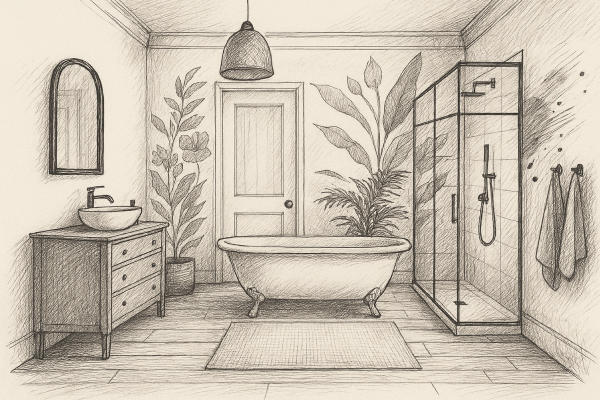
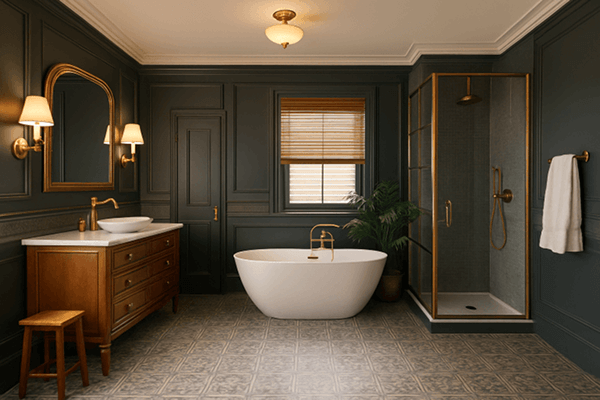
- Instant Photorealism: AI-powered rendering engines have radically accelerated the visualization process. What once took hours or even days of painstaking work by a specialist can now be accomplished in under a minute. A designer can transform a simple 3D wireframe model—or even a hand-drawn sketch—into a stunning, photorealistic image almost instantly. This capability, which is central to platforms like Arcadium 3D, democratizes high-end visualization and makes it an integral part of the iterative design conversation.
- Predictive Analytics: By analyzing vast datasets of consumer behavior, social media trends, and historical styles, AI can help designers identify emerging trends and anticipate future demand, allowing them to create spaces that are both current and timeless.
Total Immersion with Virtual Reality (VR)
If 3D rendering closes the imagination gap, Virtual Reality obliterates it. VR takes visualization to its ultimate conclusion: presence.
By donning a VR headset, clients and designers can step inside the 3D model and walk through their future home, experiencing a true-to-life sense of scale, volume, and spatial dynamics.
This immersive experience solves the final piece of the visualization puzzle—conveying how a space truly feels.
It allows for the intuitive assessment of pathways, clearances between furniture, and sightlines from different points in the room in a way that even a screen-based 3D model cannot fully replicate.
This unparalleled level of understanding gives clients supreme confidence in their decisions and can entirely eliminate the need for costly and wasteful physical mock-ups of rooms or custom furniture.
Bridging Worlds with Augmented Reality (AR)
While VR creates a fully digital world, Augmented Reality elegantly blends the digital and the physical.
Using a smartphone or tablet, AR applications can overlay digital 3D models onto a user’s real-world environment. This provides the ultimate “try before you buy” experience.
A client can use their phone’s camera to see exactly how that specific virtual sofa from the designer’s 3D plan will look in their actual living room, under their home’s unique lighting conditions.
This technology removes all guesswork related to size, style, and color matching, forging a direct, tangible link between the digital concept and the physical reality.
The convergence of these technologies creates a powerful and continuous workflow.
A designer can use an AI-powered platform to rapidly generate and refine a 3D model. The client can then experience that design in VR for an immersive spatial validation.
Finally, before committing to purchases, the client can use AR to project the chosen items into their physical home for a final check.
This integrated “digital twin” approach creates a data-rich thread from abstract idea to physical object, with multiple points of validation that minimize risk, maximize confidence, and represent the pinnacle of the design industry’s transformation.
Conclusion: Beyond the Blueprint
The journey of interior design has been a relentless pursuit of a single goal: to perfectly translate the vision in a creator’s mind into a physical reality that delights the inhabitant.
For centuries, this process was hampered by the limitations of two-dimensional tools, creating an “imagination gap” that fostered ambiguity, inefficiency, and frustration.
The flat plan, for all its utility, was an imperfect messenger, demanding interpretation where it should have provided clarity.
The shift to 3D visualization, and now to intelligent and immersive realities, has finally bridged that gap.
This transformation is far more than a simple technological upgrade. It is a fundamental change in process and philosophy.
The true role of 3D visualization is not just technical; it is profoundly human. It is a technology of clarity, dissolving misunderstanding and replacing anxiety with confidence.
It is a technology of collaboration, breaking down geographical barriers and transforming the design process into a dynamic, shared dialogue.
And it is a technology of empowerment, placing sophisticated creative tools into the hands of millions while elevating the role of the professional designer to that of an expert curator, strategist, and visionary.
The blueprint is no longer a static piece of paper; it is a living, breathing digital environment that can be explored, modified, and experienced.
In this new reality, our ability to craft spaces that are a more authentic and beautiful reflection of human needs and desires is limited only by our imagination, not by the tools we use to express it.