Last Updated on August 11, 2026 by Rosslyn Tebbutt
The era of hunching over a laptop on the sofa is firmly behind us.
As remote work transitions from a temporary necessity to a permanent lifestyle, the makeshift workspace is evolving into something far more intentional.
Your home office should be more than just a place to answer emails; it should be a sanctuary of productivity, a reflection of your personal style, and a space that physically separates your professional obligations from your personal peace.
Creating this balance requires a thoughtful approach. It is not merely about slotting a table into a spare corner; it is about curating an environment that inspires creativity while supporting your physical wellbeing.
Whether you are working with a sprawling spare room or a compact nook, the principles of good design, light, flow, and texture remain the same.
Here is how to curate a workspace that blends high-functioning utility with the calm, grounded aesthetic of modern interior design.

Finding Your Zone
Before purchasing a single piece of furniture, evaluate your available space. In the world of interior design, context is everything.
Ideally, your office should be in a quiet area with ample natural light, as exposure to daylight significantly boosts mood and energy levels.
If a dedicated room isn’t an option, consider the trend of “zoning.” Use a rug, a bookshelf, or even a change in wall colour to visually demarcate the workspace from the rest of the living area.
This psychological separation is crucial. It signals to your brain when it is time to focus and, more importantly, when it is time to switch off.

The Foundation: Form Meets Function
The centrepiece of any study is, naturally, the desk. However, the choice of desk sets the tone for the entire room.
Are you aiming for the clean lines of mid-century modern or the raw, tactile appeal of green brutalism?
Choosing the Right Surface
Your desk choice must bridge the gap between your aesthetic vision and your daily needs.
For those prioritising wellness and movement, standing desks have become an essential element of the modern workspace.
Fortunately, design has caught up with technology. You can now find height-adjustable desks with beautiful wood finishes that avoid the sterile, corporate look.
Alternatively, if your work requires deep focus and significant storage for papers or creative materials, traditional office desks with integrated drawers might be preferable.
Look for pieces in warm walnut or oak to tap into the “Organic Modern” trend, blending natural warmth with clean, functional lines.
The Throne of Productivity
Never compromise on your chair. While a velvet dining chair might look stunning on a mood board, it can wreak havoc on your posture over the course of an eight-hour day.
The goal is to find an ergonomic chair that supports your spine without disrupting your design scheme.
Look for breathable mesh backrests that come in neutral tones like soft greys, earthy greens, or muted terracottas, rather than standard office black.

Curating the Aesthetic: Quiet Luxury and Nature
Once the functional elements are in place, you can begin to layer in style. The current forecast for interiors suggests a move towards “Quiet Luxury” and nature-led design.
This means stepping away from clutter and leaning into materials that feel good to touch and look at.
Biophilic Design
Bringing the outdoors in is no longer just a trend; it is a design standard. Biophilic design connects us to the natural world, which is proven to lower stress levels.
Introduce lush greenery with a large potted fiddle leaf fig or a trailing pothos on a shelf. Beyond plants, consider natural materials like a cork noticeboard, a sustainable, tactile alternative to plastic whiteboards, or a jute rug to ground the space.
The Palette
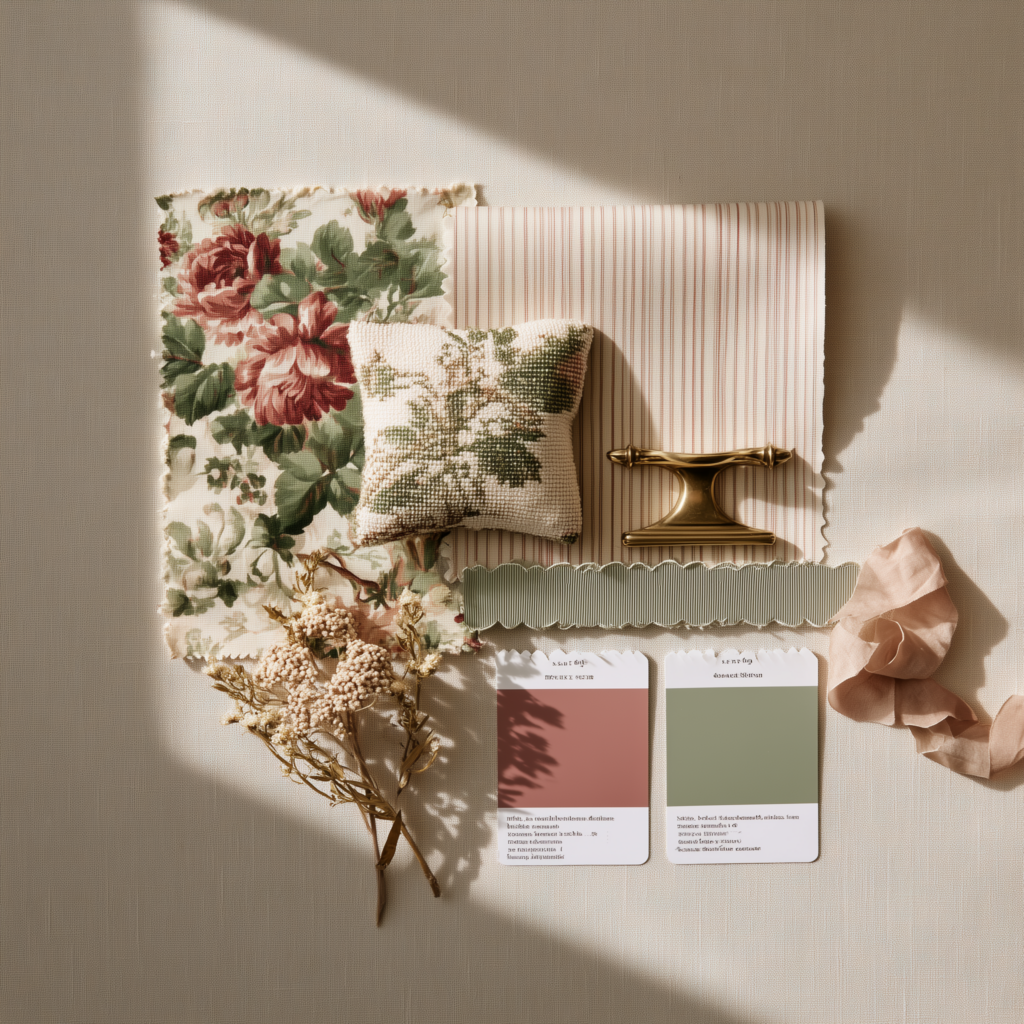
For a home office, colour psychology is paramount. While the “Colour Drenching” trend (painting walls, trim, and ceiling the same hue) is popular, ensure you choose a colour that promotes focus.
- Sage Greens and Blues: These evoke calmness and clarity, perfect for high-stress jobs.
- Warm Neutrals: Beiges, terracottas and creams create a cosy, “Midimalist” vibe that feels inviting rather than sterile.
- Dark Accents: A charcoal or navy feature wall can add depth and sophistication, creating a “cocooning” effect that helps with concentration.

Mastering Storage and Organisation
A cluttered desk often leads to a cluttered mind. However, storage solutions need not be utilitarian metal filing cabinets.
Embrace “Nostalgia and Personal Storytelling” by repurposing vintage furniture. An antique chest of drawers can hold printer paper and cables just as well as a plastic unit, but with infinitely more soul.
Utilise vertical space with floating shelves. Curate these carefully, mix functional items like reference books and file holders with aesthetic objects such as a ceramic vase, a framed print, or a travel memento.
This balance ensures the space feels lived-in and personal, rather than sterile.
Lighting: The Multisensory Experience
Lighting is often the most overlooked element of home office design. Relying solely on a single overhead light can cause eye strain and headaches.
Instead, layer your lighting to create a multisensory experience that can change throughout the day.
- Task Lighting: An adjustable desk lamp is non-negotiable. Look for brass or matte black finishes to add a touch of modern elegance.
- Ambient Lighting: A floor lamp with a linen shade in the corner can provide a soft, diffused glow for late-night work sessions or reading.
- Natural Light Control: Ensure you have window treatments that allow you to control glare without blocking out the sun completely. Sheer linen curtains offer a dreamy, light-filtering effect that aligns perfectly with the quiet luxury aesthetic.

Designing for the Long Term
Ultimately, designing your dream home office is about investing in yourself. It is about creating a space where you feel capable, creative, and calm.
By selecting quality pieces like durable office desks, prioritising ergonomic health, and layering in textures and personal artefacts, you build a space that serves you.
Don’t feel the need to finish the room in a single weekend. Let the space evolve. Add a vintage rug you found at a market or swap out the art as your tastes change.
A truly great home office grows with you, blending the best of functional design with the comfort of home.