Last Updated on August 11, 2026 by Rosslyn Tebbutt
For a long time, garages were treated purely as a functional space built in a house to accommodate whatever did not fit inside the home.
Today, that mindset has changed, especially in areas where a mix of suburban development, fluctuating seasonal weather, and rising home values has prompted homeowners to reassess the role of garages within the home.
This article explains how garage door functionality, shaped by regional conditions and maintenance expectations, is driving modern garage design trends that prioritize flexibility, aesthetics, and long-term value in many homes.

Benefits of Garages as Multi-Purpose Living Spaces
One of the most noticeable trends is the shift from single-use garages to those with multiple functions.
In modern urban housing, garages are also increasingly used as workshops, home gyms, hobby rooms, or casual gathering areas.
This shift reflects how people use their homes today, and flexible space adaptation allows homeowners to meet changing needs without major structural renovations, provided the garage door system supports smooth, reliable operation year-round in varying temperatures.

1. Clean Lines and Minimalist Layouts
Modern garage design favors simplicity, especially with the way clean lines, uncluttered layouts, and intentional storage solutions create spaces that feel organized and calm.
This trend also aligns with the practical needs of homeowners, where garages often serve daily functions beyond vehicle storage.
The emphasis is not on removing functionality, but on refining it; this means that by reducing visual noise and optimizing layout, garages become easier to use and maintain, making homeowners choose designs that support efficiency.
2. Integrated Storage Solutions
Storage has become a design feature rather than a necessity for many. Now, built-in cabinets, wall-mounted systems, and overhead storage are planned as part of the garage’s overall aesthetic.
In homes where seasonal equipment such as snow blowers, lawn tools, and sports gear cycle throughout the year, these solutions help maintain order without interfering with door tracks, sensors, or clearance zones.
3. Upgraded Flooring Materials
Concrete floors are no longer left unfinished, because now modern garages often have features like epoxy coatings, sealed concrete, or modular flooring systems installed.
These materials improve durability while enhancing appearance by resisting stains, moisture, and wear, making the garage easier to clean and more pleasant to spend time in.
4. Creative Lighting Design
Lighting is also playing a larger role in garage design, and instead of a single overhead bulb, homeowners are now installing layered lighting that improves visibility and atmosphere.
In regions where daylight hours vary significantly between seasons, proper lighting improves safety and usability during early mornings and evenings, when garages see the most use.
5. Color Palettes That Feel Intentional
Neutral color schemes dominate modern garage design; examples include how gray, white, and soft earth tones create a clean backdrop that complements both vehicles and storage systems.
These palettes also help garages visually align with the rest of the home, which matters more in suburban markets where buyers expect consistency across spaces rather than different contrasts between living areas and utility zones.
6. Smart Technology Integration
Homes now rely on professionals to recommend technology that is shaping garage design in subtle but meaningful ways.
For instance, this garage door repair company in Cumberland County, PA, has upskilled to implement these technological advances, installing and maintaining smart openers, enhanced security features, and climate monitoring systems that are now increasingly common.
And this is mostly because homes in these regions value the ability to monitor and control their garage remotely, unlike other remote locations still trying to catch up with AI. By integrating technology during the design phase, it ensures things feel seamless rather than added on later.
7. Energy Efficiency and Insulation
Modern garages are being built or upgraded with energy efficiency in mind. Now, insulated doors, sealed gaps, and temperature control help regulate conditions inside the garage.
This is especially important for attached garages, where temperature fluctuations can affect the home. In regions with cold winters and humid summers, these upgrades reduce energy loss and improve overall home comfort.
8. Climate-Controlled Garages
In many homes, garages are no longer exposed spaces; instead, climate control allows them to function year-round as usable rooms rather than seasonal storage.
Whether used for fitness, projects, or the storage of sensitive items, temperature regulation expands how the space can be used, reflecting a broader emphasis on comfort and versatility.
9. Durable and Low-Maintenance Materials
Homeowners are prioritizing materials that hold up over time by using wall panels, finishes, and fixtures that are stylish and durable for a long period.
Although low-maintenance design reduces upkeep and extends the life of the space, modern garages are built to withstand heavy use without frequent repairs or updates.
10. Visual Continuity with the Home
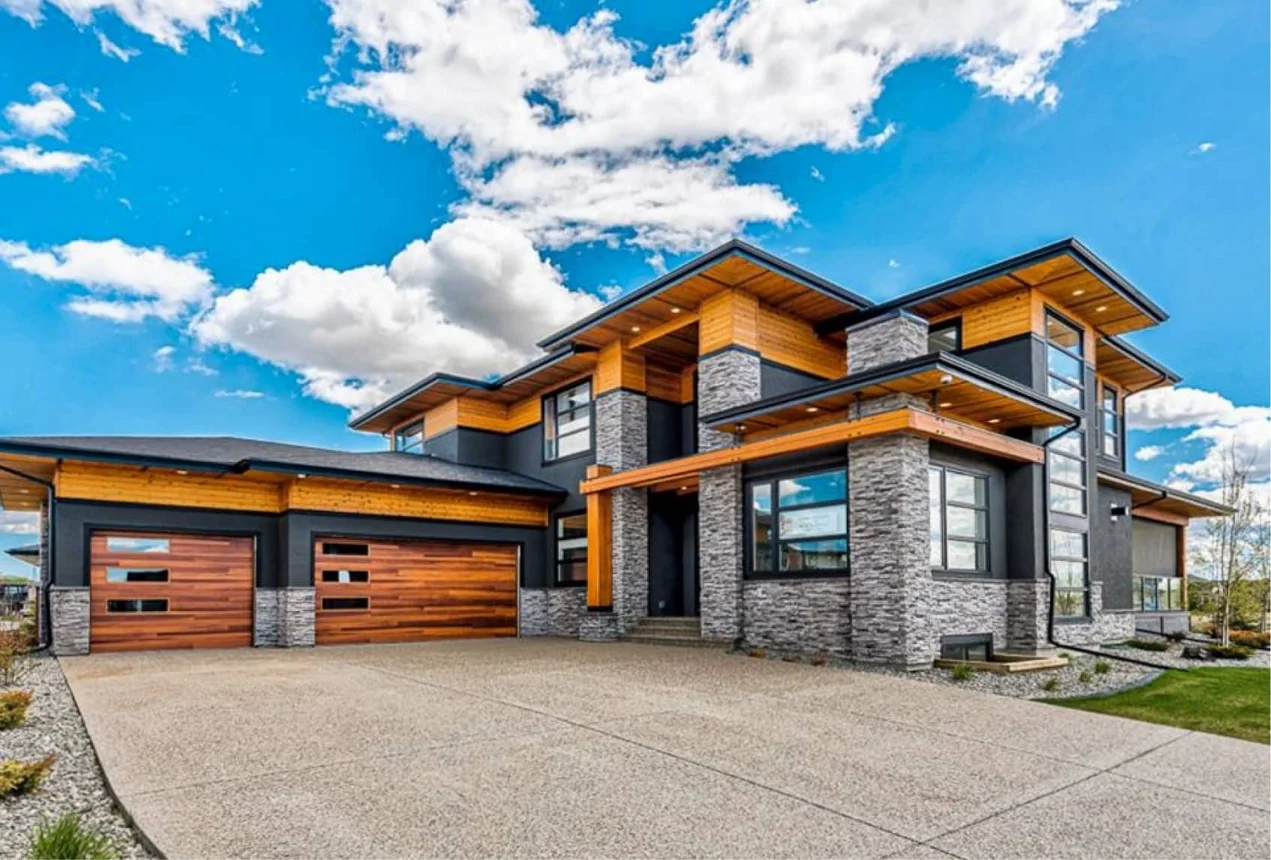
Designers are aligning garage interiors with the overall home aesthetic by using materials, colors, and finishes that often mirror those used inside the house.
This continuity makes the garage feel like a natural extension of the home rather than a separate zone. In competitive housing markets, this cohesion enhances resale appeal by reinforcing the impression of thoughtful, whole-home design.

Endnote
Modern garage design reflects a broader shift in how people view their homes, with the garage door functionality playing a central role, shaped by climate, daily use, and maintenance expectations.
These trends prioritize comfort, usability, and longevity, proving that even the most practical spaces deserve intentional design.