
Last Updated on August 11, 2026 by Rosslyn Tebbutt
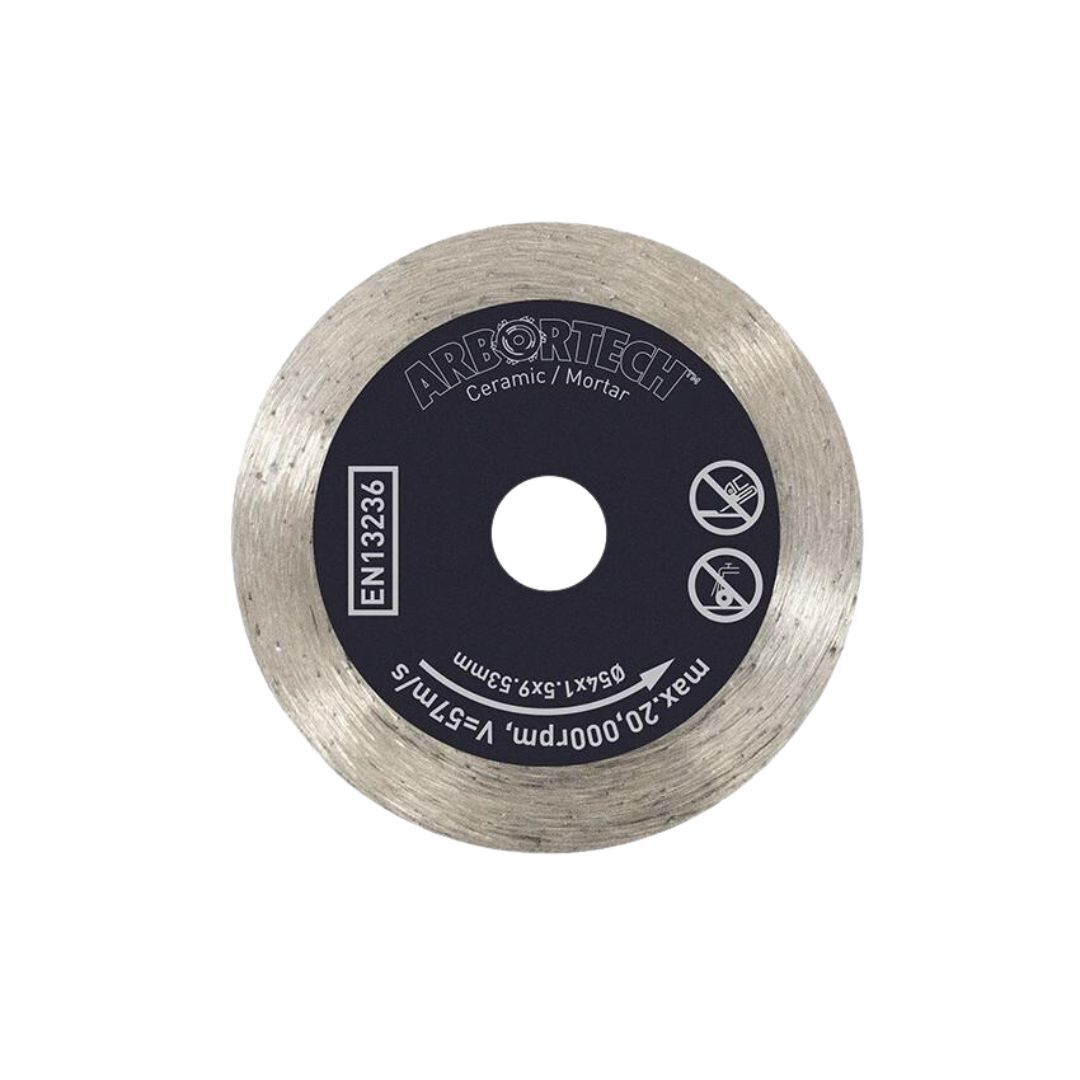
A sharp Diamond Cutting Blade doesn’t just slice through material, but also makes the work faster, safer, and far less stressful on both you and your equipment.
But even the toughest tools have their limits. Over time, the cutting edge dulls as the diamond segments wear down.
If you have invested in a quality diamond cutting blade, giving it the right care will help it stay in top form for longer, sparing you unnecessary replacements and the frustration of sluggish cuts.


Knowing When Your Blade Needs Sharpening
Blades rarely go from razor-sharp to useless overnight. The change is more like a slow fade; you might notice the cut taking longer, the tool straining, or the edge chipping the surface rather than gliding through it.
Sometimes, you will see fine dust billowing out where you would normally get clean slices.
This often means the metal bond has smoothed over the diamonds, locking them in place so they can’t do their job.
Catching it early can save your blade from further wear and your project from an uneven finish.
Sharpening the Blade for Peak Performance
When it comes to sharpening, you are not reshaping teeth like you would on a saw. Instead, you are revealing fresh diamond particles hidden beneath the bond.
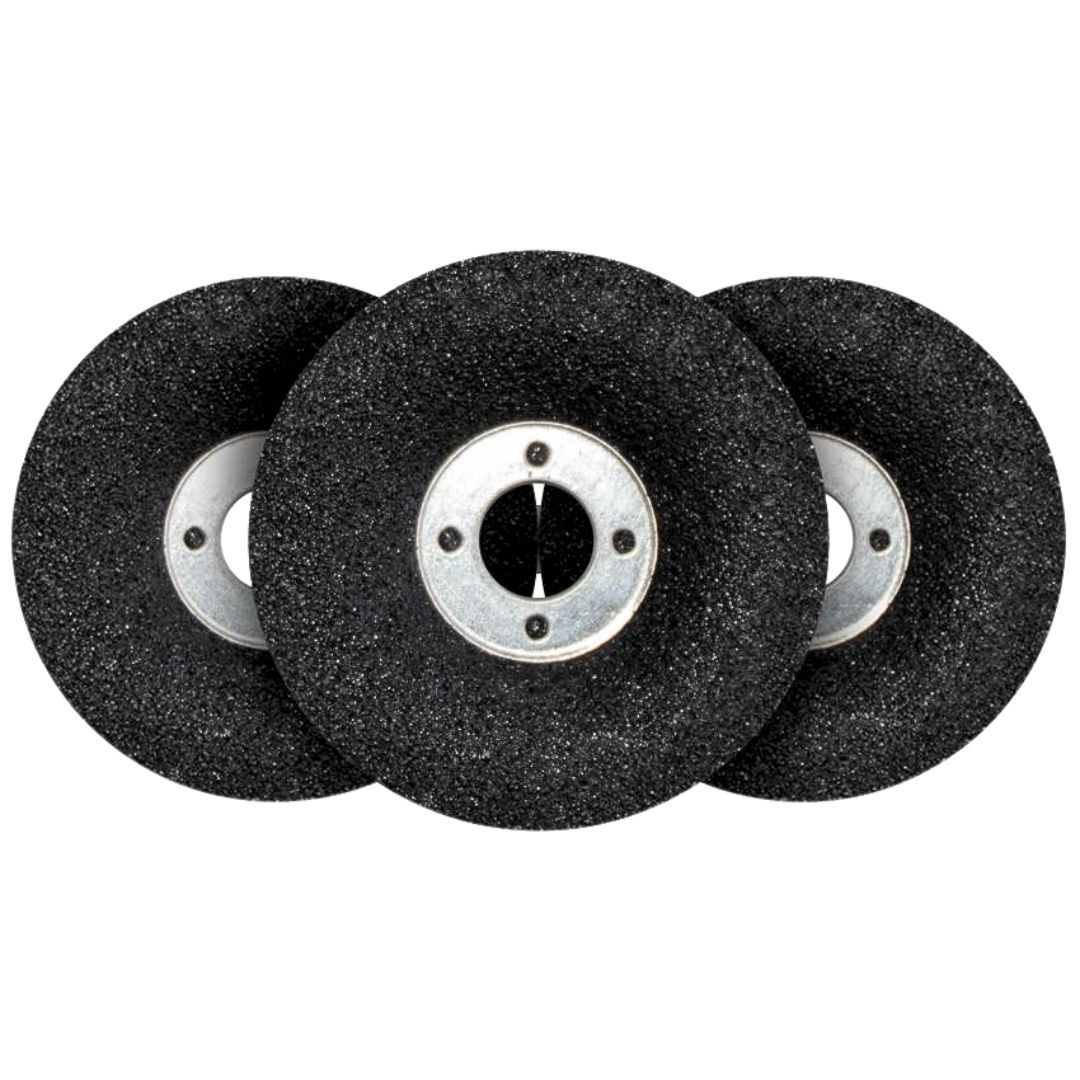
The simplest method is to cut into something abrasive like a concrete paver, a silicon carbide wheel, or a purpose-made dressing stone.
These materials grind back the bond just enough to expose a new layer of cutting diamonds.
The key is steady pressure, letting the abrasive do the work. Push too hard and you risk overheating, which can damage segments beyond repair.
A bit of patience here rewards you with cleaner, faster, and straighter cuts.

The Role of Proper Cleaning
Sharpening gets the edge ready, but cleaning keeps the whole blade running smoothly.
Over time, bits of adhesive, sealant, or material residue can cling to the rim and core. Left unchecked, this buildup creates friction, slows the cut, and generates excess heat.
A quick scrub with a wire brush after each job is often enough, but for stubborn grime, a soak in warm soapy water can loosen it before brushing.
It is a small step that makes a big difference to both performance and blade life.
Cooling and Lubrication Considerations
Heat is a blade’s worst enemy. It doesn’t matter whether you are cutting wet or dry; controlling the temperature is crucial.
For wet cutting, make sure the water hits right at the cutting point and flows steadily. This not only cools but also clears debris from the cut.
If you are working dry, pace yourself, short bursts with breaks in between help prevent overheating.
Ignore cooling, and you could end up with cracked cores, broken segments, or a blade that is suddenly beyond saving.
Storing the Blade Correctly
A lot of people focus on blade care during use, then toss it aside afterwards. Storage, however, matters more than you might think.
Hang your blade vertically on a peg or hook so it stays straight and stress-free.
Avoid stacking it flat or leaving it on a dusty or damp floor because moisture, dirt, and knocks can all shorten its life.
Keep it in a clean, dry spot, ready to go when you need it.
Final Thoughts: Sharp Diamond Cutting Blade
Even the best maintenance routine can’t keep a blade going forever.
If the segments are worn right down to the core, the blade is warped, or cracks are visible, it is time to retire it. Continuing to use a compromised blade is not just bad for your work but a serious safety risk.
When replacing, match the blade to the material you will be cutting to avoid premature wear and make the most of your investment.
Lastly, always source your blades from a trusted supplier to avoid getting knockoffs.