Last Updated on September 23, 2026 by Rosslyn Tebbutt
One of the strongest design directions for 2026 is the indoor-outdoor color fusion trend, where natural palettes, woven textures, and organic light blur the boundaries between home and nature.
As people continue to seek spaces that nurture well-being and sustainability, interiors are embracing earthy color stories and tactile finishes that reflect the outdoors.
This shift aligns with broader movements in biophilic design, sustainable living, and mindful decorating.
From woven furniture to plant-inspired palettes, the trend offers a versatile, timeless aesthetic that works in city apartments, suburban homes, and luxury resorts alike.


Why Indoor-Outdoor Fusion is Trending in 2026
1. A Post-Pandemic Lifestyle Shift
With more time spent at home, homeowners crave spaces that feel expansive and restorative. Indoor-outdoor fusion creates an environment that connects people to nature, even in urban settings.
2. Sustainability at the Core
Eco-conscious living continues to shape design choices. Natural, renewable materials such as rattan, jute, bamboo, hemp, and raw wood bring sustainability and beauty into interiors.

3. The Wellness Connection
Color psychology shows that earth tones, greens, and soft neutrals reduce stress and enhance calm. By echoing outdoor palettes indoors, bedrooms, living rooms, and sunrooms become sanctuaries of wellness.
4. Versatility Across Styles
From Japandi interior design style to Mediterranean revival, woven textures and earthy tones can be tailored to almost any style.
The indoor-outdoor palette adapts seamlessly, making it accessible for designers and homeowners alike.
This seamless blending of interior and exterior spaces is central to Mediterranean interiors, where natural light, tactile materials, and open transitions create a relaxed, sun-soaked way of living.
Explore the Mediterranean Interior Design Style Guide →


Key Color Palettes for Indoor-Outdoor Fusion
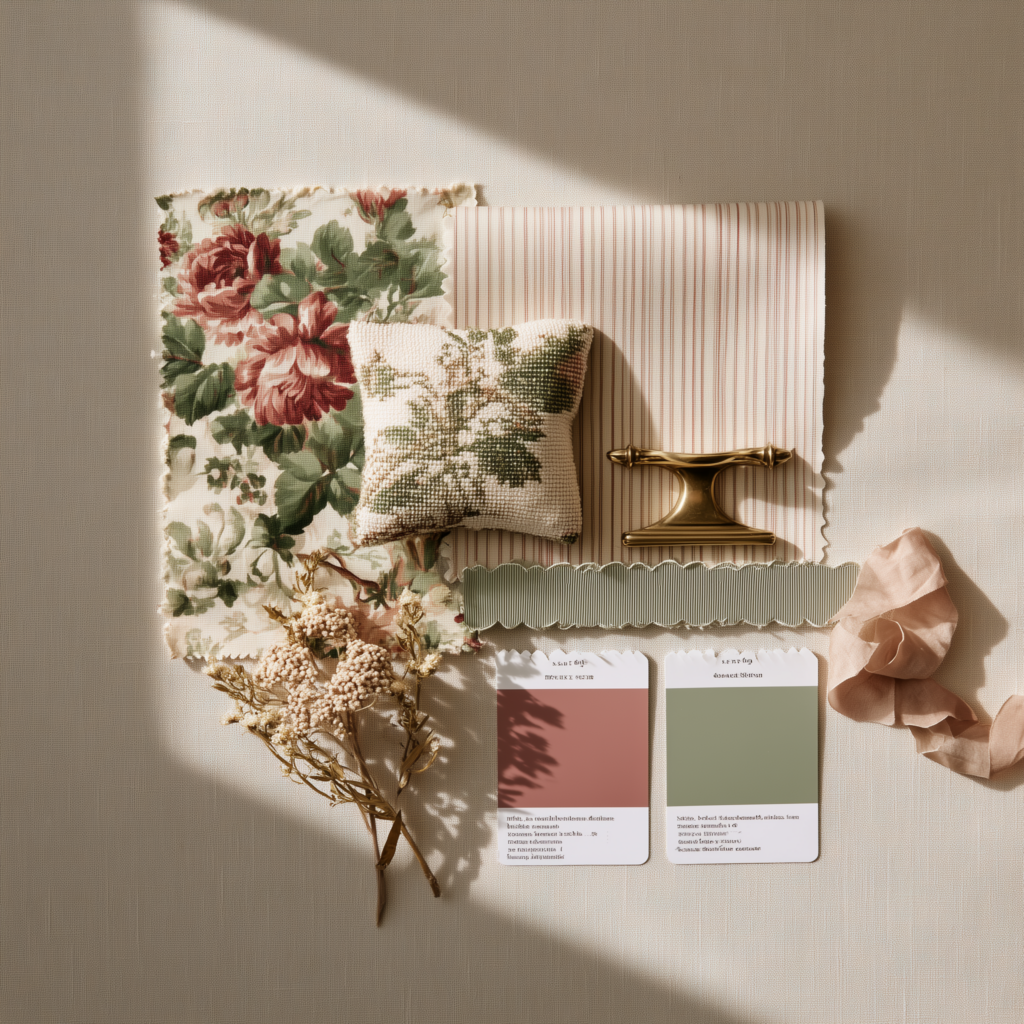
- Sunbaked Earth: Terracotta, clay, ochre, and sandy beige paired with whitewashed walls.
- Green Retreat: Olive, sage, moss, and muted eucalyptus, balanced with warm wood tones.
- Neutral Haven: Cream, taupe, caramel, and raw linen hues layered with tactile textures.
- Ocean Breeze: Soft blue-gray, seafoam, driftwood, and chalky white for coastal serenity.
Materials and Textures to Watch
- Woven Rattan & Cane: Chairs, headboards, or pendant lamps that add organic tactility.
- Raw Woods: Light oak, reclaimed planks, or live-edge tables to anchor earthy palettes.
- Stone & Clay Finishes: Limewash walls, ceramic tiles, and stone flooring with natural variation.
- Natural Textiles: Linen curtains, hemp rugs, and wool throws for soft layering.


Applications in Different Spaces
Living Rooms
Use woven armchairs, jute rugs, and olive-toned cushions to bring warmth. Large windows or sliding doors paired with indoor greenery create the perfect bridge to the outdoors.
Bedrooms
Soft sage walls, linen bedding, and rattan accents foster serenity. Add woven lighting and natural wood nightstands for depth.
Dining Areas
Raw wood tables paired with cane-backed chairs and terracotta tableware give dining spaces a rustic-meets-modern charm.
Sunrooms & Outdoor Rooms
Spaces like Jaclyn Smith’s woven sunroom (a trend spotlight for 2026) show how woven textures, light woods, and layered neutrals create a timeless, welcoming environment.


How Event Planners Can Use This Look
The indoor-outdoor palette isn’t limited to homes. Event planners are adopting this trend for earthy weddings and intimate gatherings.
Think terracotta table runners, rattan lounge furniture, and natural linen napkins. The result: immersive, sustainable events that echo global design movements.

Why This Trend Has Staying Power
The indoor-outdoor fusion is not just about aesthetics—it reflects a cultural shift toward eco-living, wellness, and authentic connection.
These values will continue to shape interiors through 2026 and beyond, ensuring this trend remains relevant long after fast fads fade.


Final Thoughts
Indoor-outdoor color fusion captures the essence of 2026 design: warm, grounding, and connected to nature .
By layering woven textures, natural finishes, and earthy palettes, designers can create interiors that feel restorative yet stylish.
This is more than a interior design trend—it’s a lifestyle philosophy that will define how we decorate, host, and live in the years ahead.