
Last Updated on August 11, 2026 by Rosslyn Tebbutt
When summer temperatures climb, your air conditioner becomes one of the most important appliances in your home. It keeps your living space comfortable, helps regulate humidity, and provides relief from sweltering heat.
But like any machine, an AC unit can develop problems over time. The challenge is knowing which issues can wait for a routine tune-up and which ones require immediate attention from a professional.
- 1. Your AC Is Blowing Warm Air
- 2. Weak or Uneven Airflow
- 3. Unusual or Loud Noises
- 4. Foul or Strange Odors
- 5. Water Leaks or Ice Buildup
- 6. Frequent On-and-Off Cycling
- 7. A Sudden Increase in Energy Bills
- 8. Your AC Is More Than 10 Years Old and Acting Up
- Why You Should Never Delay AC Repairs
- Preventive Care Is Your Best Ally
- Final Thoughts
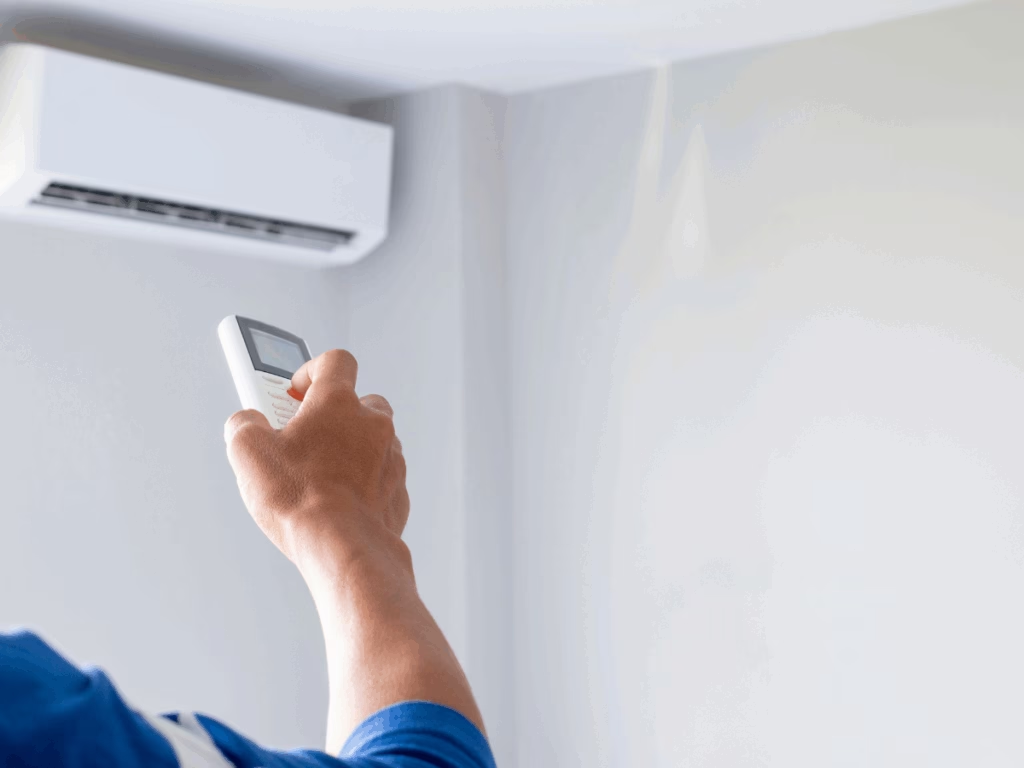
Catching problems early can mean the difference between a simple AC repair and a major, costly breakdown.
Here are the most common signs that your air conditioner needs urgent attention—and why acting quickly can save you money, stress, and even protect your health.

1. Your AC Is Blowing Warm Air
An air conditioner’s main job is to deliver cool air. If you notice warm or lukewarm air coming from your vents, something is wrong. This could be caused by:
- Low refrigerant levels
- A failing compressor
- Blocked or damaged ductwork
- A malfunctioning thermostat
Ignoring this symptom forces your AC to work harder, which increases wear and tear and can lead to a total system failure. If you notice warm air, turn the system off and schedule an inspection immediately.
2. Weak or Uneven Airflow
If the airflow from your vents feels weak or if certain rooms in your home aren’t cooling properly, it’s a sign your AC is struggling. The most common causes include:
- Dirty or clogged air filters
- Blower motor issues
- Leaky or blocked ducts
Poor airflow not only makes your home uncomfortable but also forces your system to overwork, leading to higher energy bills and more frequent repairs.

3. Unusual or Loud Noises
A properly functioning air conditioner runs quietly, with a steady hum. If you hear new, loud, or strange noises, pay attention.
- Banging or clanking may mean loose or broken parts.
- Grinding or squealing could indicate worn-out motor bearings.
- Clicking or rattling might suggest debris in the system.
Strange noises rarely go away on their own—if anything, they get worse. Call a technician before the damage becomes severe.
4. Foul or Strange Odors
Your AC should never produce unpleasant smells. Two common and serious odor problems include:
- Musty odors: Often a sign of mold or mildew growth in ductwork or coils. This can trigger allergies and respiratory problems.
- Burning smells: Could indicate electrical issues or overheating components, which can be a fire hazard.
In both cases, you should turn off your system and arrange for immediate service to prevent further risk.
5. Water Leaks or Ice Buildup
While it’s normal for an AC to produce condensation, it should be drained away properly. Visible water pooling around the unit or ice forming on the coils can signal:
- Refrigerant leaks
- Drain line blockages
- Poor airflow due to dirty filters or coils
Water leaks can damage floors and walls, while ice buildup reduces cooling efficiency and can damage internal parts.

6. Frequent On-and-Off Cycling
If your AC turns on and off more frequently than usual, it could be short cycling. This problem increases energy consumption and wears down parts prematurely. Possible causes include:
- An oversized AC unit
- Electrical problems
- Clogged air filters
- Low refrigerant levels
Short cycling is a problem that needs prompt diagnosis before it causes long-term system damage.
7. A Sudden Increase in Energy Bills
If your electricity bill jumps unexpectedly and your usage habits haven’t changed, your AC might be to blame.
When the system is struggling due to a mechanical issue, dirty components, or air leaks, it uses more energy to keep your home cool.
By addressing the cause quickly, you can restore efficiency and avoid paying inflated energy costs.

8. Your AC Is More Than 10 Years Old and Acting Up
Even well-maintained systems lose efficiency over time. If your unit is older than 10 years and begins showing multiple signs from this list, repairs might keep piling up.
While some issues can be fixed, it may be worth considering whether replacement is more cost-effective.
Why You Should Never Delay AC Repairs
It’s tempting to put off calling a technician, especially if your AC is still cooling “a little.” But delaying service can:
- Make the problem worse and more expensive to fix
- Shorten your system’s lifespan
- Increase the risk of a complete breakdown during peak summer heat
- Create safety hazards, especially with electrical issues or mold growth
A small leak today can turn into a blown compressor tomorrow—and replacing a compressor is often one of the most expensive AC repairs.
Preventive Care Is Your Best Ally
While repairs are sometimes unavoidable, regular maintenance can reduce the risk of sudden failures. This includes:
- Changing air filters every 1–3 months
- Scheduling professional tune-ups at least once a year
- Keeping outdoor units clear of debris
- Checking for leaks, strange noises, or odors regularly
Read the article: 5 Tips to Maintain Your Home’s Air-Conditioning Unit
Final Thoughts
Your air conditioner is essential for comfort and safety in hot weather.
The moment you notice warm air, strange sounds, leaks, foul smells, or higher energy bills, treat it as a call to action. Contact a professional HVAC technician right away to diagnose and fix the problem.
Taking swift action not only protects your investment but also ensures you and your family stay cool and comfortable all summer long.