Last Updated on June 12, 2026 by Rosslyn Tebbutt
Wabi-Sabi is more than an interior design style—it’s a quiet philosophy rooted in ancient Japanese culture.
Centered on simplicity, imperfection, and transience, Wabi-Sabi invites us to slow down and appreciate the authenticity of everyday life.
This connection to nature and imperfection is also reflected in Southwestern interiors, where materials are left raw and expressive.
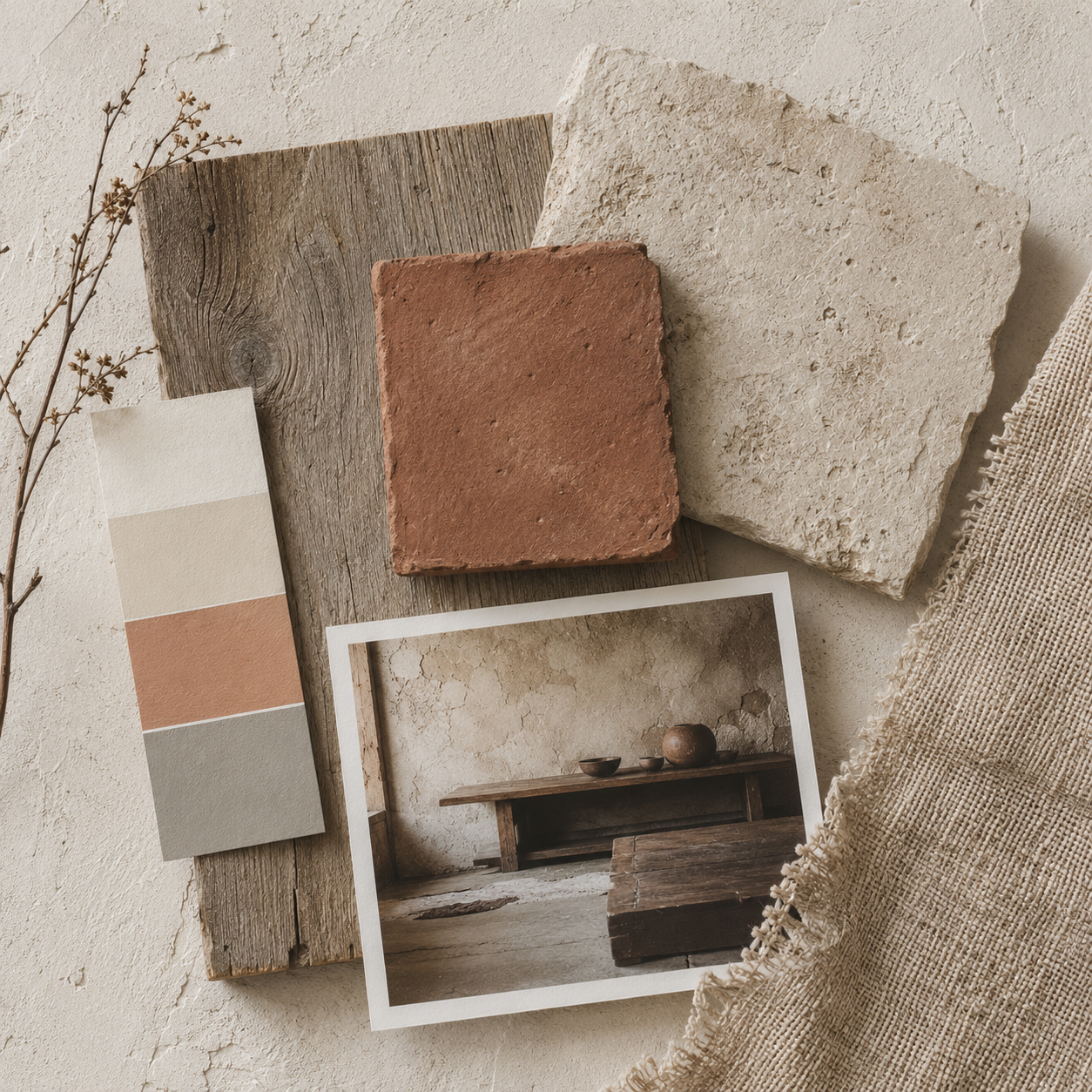

Rather than striving for polished perfection, Wabi-Sabi interiors are defined by worn surfaces, natural materials, muted colors, and intentional emptiness.
It’s a design style that speaks softly, allowing textures, space, and organic elements to do the talking.
In a fast-paced world, Wabi-Sabi offers a grounded, soulful alternative—a home that feels serene, meaningful, and truly lived-in.
This guide explores the principles behind Wabi-Sabi, how it differs from minimalist interiors, and how you can apply its calming ethos throughout your home.


Core Principles of Wabi-Sabi Design
To design a Wabi-Sabi interior, begin by understanding its key values—drawn from Zen Buddhism and traditional Japanese aesthetics.
1. Imperfection and Patina
Wabi-Sabi celebrates the marks of time. A cracked ceramic bowl or weathered wooden beam holds beauty in its history and flaws.
2. Simplicity and Stillness
Design is stripped to its essence—uncluttered, spacious, and calm. Only what is necessary or meaningful remains.
3. Natural Materials
Raw, tactile elements like wood, clay, stone, linen, and paper are essential. Surfaces are often matte, unpolished, and organically textured.
4. Muted, Earthy Tones
The color palette is rooted in nature: stone grey, bone white, sand, rust, and faded greens or browns. Subtle gradients and layered neutrals create harmony.
5. Emptiness and Space
Negative space is just as important as objects. Rooms feel airy and open, allowing the eye to rest and the soul to breathe.


Wabi-Sabi Style Variations
Though deeply traditional, Wabi-Sabi can blend beautifully with other design styles.
Modern Wabi-Sabi
Pairs clean architectural lines with natural finishes and soft, neutral palettes. Great for urban spaces wanting serenity.
Rustic Wabi-Sabi
Embraces aged wood, stone walls, and hand-thrown ceramics. Ideal for cottages or country homes with soul.
Scandinavian Wabi-Sabi
Combines hygge coziness with Wabi-Sabi’s restraint. Think sheepskin rugs, minimal furniture, and weathered textures in a pale palette.
Japandi Wabi-Sabi.
A fusion of Japanese and Scandinavian interior design, Japandi Wabi-Sabi blends simplicity with warmth, combining clean lines with natural textures and a deep sense of calm.
Rooted in both functionality and mindfulness, this approach creates interiors that feel intentional, balanced, and quietly refined.
For a more structured interpretation of this aesthetic, explore the Japandi Interior Design Style Guide →

Room-by-Room Wabi-Sabi Styling Guide
Living Room
- Seating: Choose low, deep seating in linen, cotton, or hemp fabrics. Slipcovers with wrinkles are welcome.
- Décor: Use handmade ceramics, wooden bowls, and dried botanicals.
- Materials: Combine reclaimed wood, earthen textures, and paper or rice lampshades.

Kitchen
- Cabinetry: Stick to open shelving, simple wood cabinets, or lime-washed finishes.
- Countertops: Choose raw stone, butcher block, or concrete.
- Lighting: Use pendant lights with clay or paper shades.
- Accessories: Display mismatched handmade cups, wooden spoons, and a linen tea towel or two.


Dining Room
- Table and Chairs: A worn wood table with simple, sturdy chairs—preferably handmade or vintage.
- Lighting: Opt for a single pendant with soft lighting.
- Table Styling: Use ceramic bowls, linen runners, and a branch or seasonal fruit as a centerpiece.


Bedroom
- Bed Frame: Choose a simple wooden or platform bed. No headboard is fine.
- Textiles: Linen sheets, layered cotton blankets, and a handmade quilt.
- Lighting: A ceramic or stone-based lamp with a warm glow.
- Greenery: Dried arrangements or a single live plant in a textured vessel.

Bathroom
- Vanity: Use wood or stone with a vessel sink.
- Tiles: Unglazed, handmade, or irregular tiles.
- Lighting: Soft, indirect lighting—nothing too bright.
- Details: Bamboo bath trays, hand-carved soap dishes, and linen hand towels.

Workspace
- Desk Area: Use a simple wooden table or trestle desk with minimal items.
- Chair: A rustic stool or chair in natural material.
- Décor: Include one handmade item or an object with emotional meaning—nothing decorative for its own sake.

Styling Small Spaces in Wabi-Sabi Design
- Use negative space to avoid clutter—less is always more.
- Stick to one or two natural materials throughout.
- Choose dual-purpose furniture like a floor cushion or stool.
- Let imperfections in the space become part of the aesthetic.
Wabi-Sabi Lighting Guide
- Chandeliers: Rare in Wabi-Sabi, but if used, opt for handmade or natural materials like driftwood or bamboo.
- Pendant Lights: Choose ceramic, paper, or concrete shades in organic forms.
- Wall Sconces: Simple, unadorned, and ideally dimmable.
- Table Lamps: Clay or stone bases with linen or rice paper shades to soften the glow.

Sustainability in Wabi-Sabi Design
- Use found, inherited, or handmade items over new.
- Choose materials that age beautifully: wood, linen, brass, and clay.
- Embrace secondhand or imperfect items.
- Support local artisans and makers.
- Repair instead of replace.

DIY and Budget-Friendly Wabi-Sabi Decor Ideas
- Handmade Ceramics: Take a pottery class or visit a local studio for one-of-a-kind pieces.
- Reclaimed Wood Shelves: Use salvaged wood for minimal floating shelves.
- Dried Floral Arrangements: Collect seasonal foliage and dry it for long-lasting decor.
- Limewash Wall Finish: Try natural limewash paint for softly textured, tonal walls.
- Visible Mending: Embrace visible stitching when repairing linens or upholstery.

Do’s
✔ Embrace imperfection and authenticity
✔ Keep spaces open, quiet, and uncluttered
✔ Use natural, raw materials
✔ Select objects with personal meaning or function
✔ Let time and weathering enhance your decor
Don’ts
✖ Don’t aim for pristine finishes or high gloss
✖ Don’t overcrowd your space with décor
✖ Don’t buy items without a story or purpose
✖ Don’t hide wear and tear—celebrate it
✖ Don’t chase trends—focus on what feels true


Conclusion
Wabi-Sabi design is not about what’s new or flawless—it’s about finding peace and beauty in what is real, aged, and enduring. It’s an invitation to simplify, slow down, and live with intention.
While Wabi-Sabi interiors embrace imperfection and quiet simplicity, organic modern design introduces a more refined balance—combining natural materials with clean, contemporary lines.
Explore the Organic Modern Interior Design Style Guide →
By incorporating natural materials, honoring imperfection, and curating your home with mindfulness, you create not just a beautiful space—but a more meaningful way of living.
Looking for more soulful design inspiration? Stay tuned for more style guides that bring clarity, comfort, and authenticity into your home.